What To Expect During The Egg Donation Process in NYC
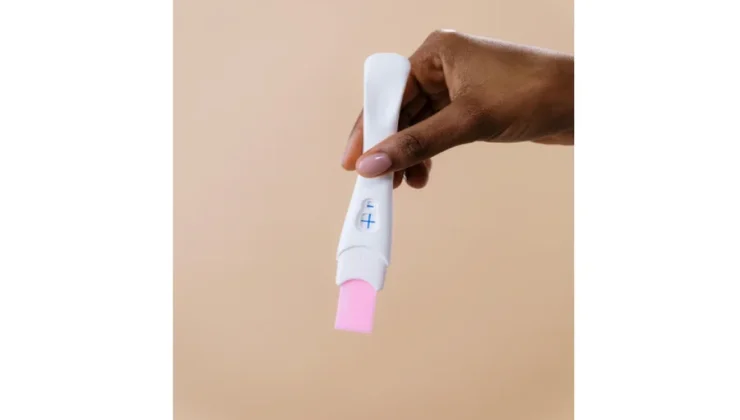
Commencing the egg donation process in NYC can be both exhilarating and daunting. You might wonder about the requirements, medical evaluations, and legal considerations involved. It’s vital to understand what to expect, from initial screenings to egg retrieval, while considering the emotional and psychological aspects. Each step guarantees your health and the prospective parents’ needs are prioritized. As you venture on this journey, the intricacies and rewards of egg donation unfold in unexpected ways.
Understanding the Requirements for Egg Donation
When considering becoming an egg donor in NYC, it is critical to understand the requirements that potential donors must meet. As an ideal candidate, you should be between 21 and 32 years old, guaranteeing you’re at an age where your eggs are at their most viable. Optimal donor attributes include being in good health, both physically and emotionally, which plays a vital role in successful donation. Non-smokers and those with a healthy BMI are preferred, as these factors contribute to the health of the eggs. Additionally, psychological readiness and a willingness to commit to the process are essential. Candidates often undergo thorough medical and genetic evaluations to confirm they meet these stringent qualifications, and accessing specialized care for egg donors in New York City can provide further guidance and support to ensure you are well-prepared for this meaningful journey.
Initial Application and Screening Process
As you commence on the journey of becoming an egg donor in NYC, comprehending the initial application and screening process is vital. This phase involves a meticulous evaluation of your personal background to ensure you meet the necessary qualifications. You’ll start by filling out an initial application, which typically asks about your age, medical history, lifestyle choices, and educational background. It’s essential to be honest and thorough, as this information helps assess your suitability as a donor.
The screening process is designed to protect both you and potential recipients, creating a foundation of trust and transparency. Agencies prioritize candidates who exhibit a strong sense of responsibility and commitment. Understanding these expectations can prepare you for the forthcoming steps in this rewarding endeavor.
Medical Evaluations and Tests
As you move forward in the egg donation process, you’ll undergo detailed medical evaluations to safeguard your safety and suitability. These tests include initial health screenings, genetic assessments, and psychological evaluations, each playing a vital role in protecting both you and the potential recipients. It’s natural to have questions or concerns, and understanding these assessments can help you feel more confident and informed about the journey ahead.
Initial Health Screenings
Before commencing on the journey of egg donation in NYC, potential donors undergo a series of initial health screenings, ensuring their suitability for the process. This phase includes extensive physical health check-ups, where doctors assess your overall well-being. You’ll undergo routine diagnostic tests, such as blood work, to evaluate hormone levels and screen for infectious diseases. These tests help determine if your body is in ideal condition for egg donation.
It’s pivotal to recognize that these screenings aren’t just about eligibility—they’re about safeguarding your health and ensuring the best possible outcome for both you and the recipient. While it might feel overwhelming, remember that this thorough process is designed with your safety and the success of the donation in mind.
Genetic and Psychological Assessments
During the egg donation process in NYC, a fundamental genetic and thorough psychological assessment becomes essential. These evaluations guarantee you’re fully prepared and suitable as a donor. The genetic profile assessment helps identify any hereditary conditions that could impact recipients or future children, ensuring your genetic contributions are safe and sound. Meanwhile, the psychological readiness evaluation ascertains you’re emotionally prepared for the donation journey. It’s indispensable to reflect on your feelings and motivations, as this process can be both rewarding and challenging. Professionals will guide you through this, addressing any concerns and ascertaining you’re informed. By undergoing these assessments, you’re not just meeting medical requirements; you’re laying the foundation for a responsible, compassionate, and well-informed donation experience.
Legal Considerations and Agreements
Traversing the legal landscape of egg donation in NYC involves several essential considerations and agreements that protect both the donor and the recipient. One pivotal aspect is the confidentiality agreements, which safeguard that your personal information remains private and secure. This agreement is indispensable for maintaining trust between all parties involved. Additionally, the informed consent process is a cornerstone of ethical egg donation. You’ll receive extensive information about the medical procedures, potential risks, and responsibilities before making your decision. It’s imperative to fully understand these details, so don’t hesitate to ask questions if anything’s unclear. Legal documents will outline your rights and obligations, ensuring transparency throughout the process. Consulting with a lawyer experienced in reproductive law can provide valuable guidance and clarity.
Matching With Intended Parents
When you’re maneuvering the egg donation process, finding the right match with intended parents is pivotal and involves evaluating specific criteria such as medical history, lifestyle, and personal values. Open communication with the intended parents fosters mutual understanding and lays the groundwork for a supportive relationship. Throughout this journey, you’ll also need to revisit some legal considerations to confirm that all parties’ rights and responsibilities are clearly defined and respected.
Criteria for Matching
Although the journey of egg donation can be complex, understanding the criteria for matching with intended parents is pivotal for a successful partnership. You’re not just a donor; you’re part of a life-changing process. Eligibility criteria play a paramount role in this. Clinics often look for suitable candidates who meet specific physical, medical, and psychological conditions. Being in good health, having a BMI within a certain range, and a clear family medical history are common requirements. They also assess your lifestyle and personal values to guarantee alignment with the intended parents’ preferences. This careful selection process is designed to create a harmonious match, confirming both parties feel comfortable and confident moving forward. Remember, your contribution is immensely valuable.
Communication With Parents
Finding a perfect match is only the beginning; the next step is establishing effective communication with the intended parents. Open communication is pivotal for setting expectations and building a trusting relationship. You’ll want to discuss preferences, boundaries, and any concerns right from the start. This guarantees everyone is on the same page, reducing potential misunderstandings later on. Being clear about expectations allows both parties to feel secure and respected throughout the process.
It’s important to approach these conversations with empathy and understanding, as this journey is deeply personal for both you and the intended parents. Listening actively and responding thoughtfully can foster a positive connection. Remember, the goal is to create a supportive and transparent environment where both parties feel valued and heard.
Legal Considerations Involved
Traversing the legal landscape of egg donation in NYC requires careful attention to detail and a clear understanding of your rights and obligations. As a donor, you’re entering a complex agreement where confidentiality requirements are paramount. You’ll need to confirm your personal information is protected, respecting both your patient privacy rights and those of the intended parents. It’s essential to work with a reputable agency or legal expert to navigate these waters smoothly. They’ll help clarify any legal documents, guaranteeing you understand what you’re consenting to and safeguarding your anonymity. Remember, every step should be transparent, and you’re entitled to ask questions. Your rights are just as important as those of the intended parents, and a clear legal framework helps maintain trust.
Preparing for the Donation Cycle
Commencing on the egg donation journey in NYC requires careful preparation to guarantee a smooth and successful process. Understanding the intricacies of cycle preparation and medication administration is paramount. You’ll work closely with a medical team to ascertain your body is ready. Initially, you’ll undergo a series of screenings and consultations to evaluate your health and readiness. Following this, you’ll be guided through a medication protocol designed to stimulate egg production.
Key steps in preparing for the donation cycle include:
- Medical screenings: Exhaustive health evaluations to validate eligibility.
- Hormonal treatment: Taking prescribed medication to enhance egg production.
- Scheduling appointments: Regular visits for monitoring progress and adjusting medication.
- Lifestyle adjustments: Maintaining a healthy diet and avoiding alcohol and tobacco.
This groundwork is essential for a successful donation experience.
The Egg Retrieval Procedure
The culmination of your egg donation journey is the egg retrieval procedure, a critical step that requires meticulous care and precision. You’ll be given anesthesia, typically a mild sedative, to guarantee comfort throughout the process. Understanding anesthesia requirements is indispensable, as you’ll need to follow specific guidelines before the procedure, like fasting.
During the retrieval, a doctor will use an ultrasound-guided needle to gently extract the eggs. You might feel some pressure or mild cramping, but the anesthesia should minimize these physical sensations. It’s normal to have concerns, and the medical team is there to ensure you feel supported. By being informed and prepared, you’re actively contributing to a smooth and successful egg retrieval process, ultimately aiding in the creation of new life.
Recovery and Aftercare
After the egg retrieval, you’ll enter a pivotal phase where post-procedure monitoring guarantees your body is healing properly and any discomfort is managed. Maintaining the emotional journey you’re on is indispensable, as it can be just as significant as the physical one, so accessing support groups or counseling services can provide valuable guidance and reassurance. Remember, you’re not alone in this process, and there are numerous resources available to support your recovery and emotional well-being.
Post-Procedure Monitoring
Once the egg retrieval procedure is complete, it’s necessary to focus on your recovery and well-being. Post donation follow up is pivotal for ensuring your body heals properly and to monitor any potential long term health impacts. You’ll be scheduled for several check-ins with your healthcare provider to track your progress and address any concerns.
During post-procedure monitoring, expect the following:
- Physical Rest: Make sure you get plenty of rest to aid recovery.
- Hydration: Drink plenty of fluids to help your body bounce back.
- Symptoms Monitoring: Keep an eye on any unusual symptoms like severe pain or fever.
- Follow-up Appointments: Attend all scheduled follow-ups to discuss your health and any lingering effects.
These steps are critical for a smooth, healthy recovery.
Emotional Support Resources
Even though physical recovery is pivotal after egg donation, it’s equally important to address the emotional aspects of the process. Traversing the post-donation phase can stir mixed feelings, from relief to unexpected stress. Engaging with counseling services is a valuable step to help process these emotions. Professional counselors offer a safe space to express your feelings, understand them, and develop coping strategies. Meanwhile, support groups can be incredibly beneficial, providing a community of individuals who’ve shared similar experiences. These groups foster a sense of belonging and understanding, reducing feelings of isolation. In NYC, various clinics and organizations offer access to both counseling services and support groups, ensuring you’re not alone in your recovery and emotional aftercare journey.
Financial Compensation and Benefits
Diving into the financial compensation and benefits of egg donation in NYC, it’s worth noting that the monetary rewards are often a substantial motivator for many donors. Understanding the full picture involves more than just the cash payout; you should also reflect on the broader benefits and responsibilities. Financial compensation can range substantially, and while it might seem appealing, don’t overlook potential tax implications. Compensation can cover various costs associated with the donation process, ensuring you’re not left out-of-pocket.
Compensation range: Typically between $8,000 and $15,000 per cycle. Cost coverage: Medical expenses and travel costs are often included. Tax implications: Compensation is considered taxable income. Healthcare benefits: Access to thorough medical screening and care.
Emotional and Psychological Aspects
While the financial aspects of egg donation are often front and center, it’s essential to acknowledge the emotional and psychological dimensions of the process. As an egg donor, you’ll face a spectrum of emotions—pride, anxiety, and anticipation—that require careful navigation. Coping with emotions becomes indispensable, as you’ll need to process your feelings throughout the journey. It’s pivotal to build a support system, whether through friends, family, or professional counseling, to help manage these emotions effectively.
Navigating relationships is another significant facet. Communication with loved ones about your decision can foster understanding and support. Be prepared for varied reactions and remember that your decision is personal. Engaging in open dialogues can ease potential tension and reinforce the supportive network you’ll need during this transformative experience.
Frequently Asked Questions
Are There Any Dietary Restrictions During the Donation Process?
Yes, you’ll have dietary restrictions. Avoid alcohol and caffeine, and guarantee you meet nutritional requirements. Focus on balanced meals, rich in protein and vitamins. Dietary supplements may be recommended to support your body’s needs during the process.
Can Egg Donors Remain Anonymous Throughout the Process?
Yes, you can remain anonymous, but it depends on the clinic’s policies. Donor privacy considerations are vital, yet donor anonymity concerns arise as some programs may require identifying information for future contact or medical reasons.
What Are the Common Side Effects After Egg Retrieval?
After egg retrieval, you might experience some discomfort from ovarian stimulation and mood changes during treatment. It’s common to feel bloated, have mild cramping, and notice spotting. Rest and hydration usually help alleviate these symptoms.
How Long Does the Entire Egg Donation Process Typically Take?
The entire egg donation process typically takes about 2-3 months. You’ll experience timeline variations based on your cycle synchronization and medical evaluations. Compensation details for egg donors often include financial reimbursement for time and effort.
Are There Any Limitations on Physical Activities During the Donation Cycle?
Yes, there are physical activity limitations. You’ll need to avoid intense exercises due to physical fitness requirements. Additionally, travel limitations may apply to ascertain you’re available for appointments and not disrupting the donation cycle.