The Hidden Price of Touring: Managing Chronic Tinnitus

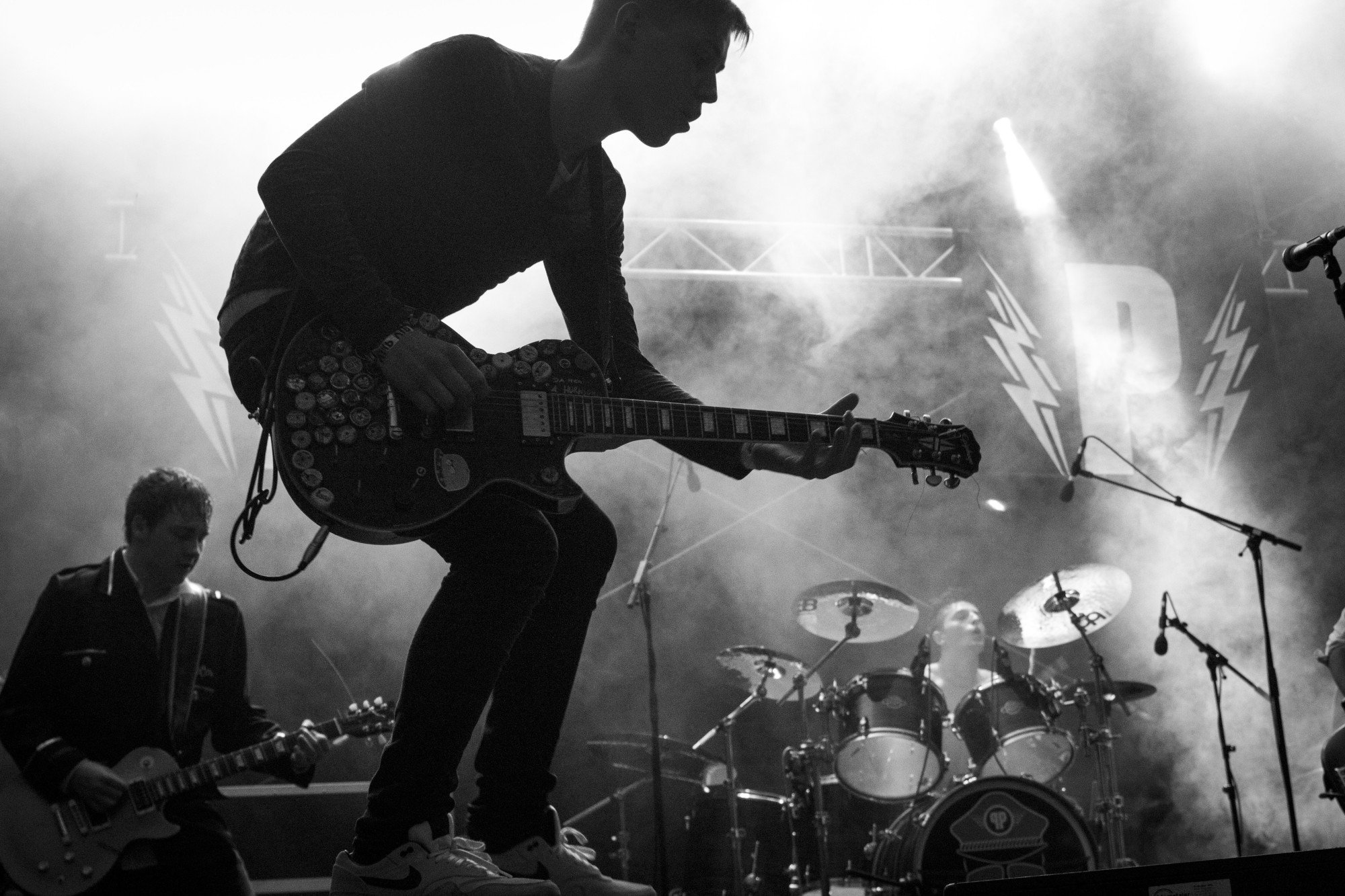
The excitement of live music draws thousands of performers to the road every single year. Standing in front of a wall of amplifiers delivers an unmatched rush. That thrilling environment carries a hidden risk that follows many artists long after the tour bus parks.
A persistent ringing or buzzing can change how you experience daily life. Managing this auditory strain needs clear strategies so you can keep making music safely. Proper preparation helps you sustain your passion without losing your hearing clarity.
The Constant Noise After The Stage Lights Fade
Living with a continuous sound in your ears challenges your focus during long travel days. Touring professionals notice a soft hiss during quiet moments in hotel rooms. The phantom sensation grows louder after consecutive nights of high-volume exposure.
The ringing affects sleep patterns and makes morning band meetings difficult to follow. Ignoring the warning signs can result in permanent changes in how your brain processes sound. Musicians must address these issues early to avoid chronic fatigue. Crew members face similar risks during long production setups.
Professional Support For Managing Constant Ringing
Navigating life with continuous auditory noise demands specialized guidance from experts. Before you seek treatment, visit a skilled Toronto audiologist to identify early signs of auditory damage and provide the right hearing aids. The combination of sound therapy, behavioral support, and neuromodulation can lower the perception of phantom noises and ease emotional distress. Targeted treatments retrain your brain to ignore the annoying frequencies.
Specialists tailor the tools to fit the chaotic schedules of touring artists. Utilizing external sound generators masks the internal buzzing during quiet hours. Working with clinical professionals gives you the necessary resources to manage the symptoms. Seek expert advice to maintain control over your auditory environment.
The Real Impact Of Loud Venues
Touring musicians face extreme volume levels during performances and soundchecks. Constant exposure to stage monitors fatigues the delicate cells in your inner ear. When these cells experience repeated trauma, they send false signals to the brain. Musicians describe the resulting phantom noise as a high-pitched squeal or a low drone.
Adjusting your stage setup can lower the daily strain on your ears. Regular evaluations confirm your hearing levels remain stable throughout a hectic show season. Monitoring your environment reduces the risk of sudden hearing shifts.
Practical Steps For Hearing Protection On Tour
Reducing your exposure to dangerous decibels does not mean giving up live performances. Simple adjustments to your daily routine keep your ears safe during long stretches on the highway. You can protect your hearing by adopting a few straightforward habits:
- Wear custom-molded earplugs during every soundcheck and performance
- Set strict volume limits on your personal in-ear monitors
- Take 15-minute quiet breaks away from the venue floor between sets
- Rest your ears completely on designated travel days
Small changes in your habits preserve your sonic clarity for future album tracking. Consistent use of protective gear builds a strong defense against loud environments. Safe listening practices protect your ears during off-stage relaxation hours.
Structured Programs For Auditory Relief
Musicians need reliable methods to handle the mental load of persistent ear ringing. Data from an audiology clinic highlights a tiered counseling program called Progressive Tinnitus Management. The method utilizes education guided by specialists and coping strategies to alter how patients react to internal sounds.
Learning specific exercises helps you manage sudden flare-ups during a busy show schedule. Group discussions with other touring professionals offer shared insights into managing road stress. Dedicated training decreases the anxiety tied to quiet environments.
Tracking Your Progress Toward Quieter Days
Measuring your improvement maintains confidence throughout the recovery process. Targeted counseling dropped average tinnitus handicap inventory scores from 46.1 to 31.9 within 3 months. The study revealed that 60% of participants experienced a relief score reduction of at least 7 points.
Consistent checkups provide clear evidence that your management plan works. Clinicians can adjust sound therapy devices as your needs evolve. Clear data proves that proactive care leads to lifestyle improvements. Regular assessments highlight the positive changes in your daily comfort levels.
Creating A Sustainable Routine For Road Musicians
Balancing stage performance with auditory health demands long-term commitment. Setting up a quiet zone in the tour vehicle gives your ears a chance to recover between cities. You should discuss your hearing needs with your sound engineer before launching a new concert series.
Consistent sleep schedules stabilize your nervous system against auditory stress. Healthy habits off the stage directly influence your performance quality under the lights. Protecting your ears preserves your passion for future generations of fans. Longevity in the music business relies on your physical health.
Image source: https://unsplash.com/photos/a-woman-singing-into-a-microphone-while-holding-a-guitar-bdlMO9z5yco
Protect your hearing and keep sharing your art. The rewards of managing internal noise include a long and fulfilling musical path. Simple protective measures combined with expert guidance offer a sustainable way forward for every touring performer.
Your ears deserve the same care and maintenance as your favorite instruments. Take action today to enjoy the music. Investing in your health secures your musical future.