Testosterone Therapy for Men and Healthy Aging

Sometimes, it seems like getting old is slow and then suddenly it is real. A man might experience flabby muscles, decreased libido, foggy mornings, or stubborn belly fat. Some say it’s due to work, lack of sleep, or stress. However, low testosterone can also be a factor, particularly following midlife.
It’s not an attempt to look young again. The actual aim is stable health, better strength, and a better mood. With proper testing and medical care, some men find support through Testosterone Therapy for Men.
Why is Testosterone Therapy Important for Aging Men?
The following are the reasons testosterone therapy can support aging men when low levels are confirmed.
Maintains Healthy Energy Levels
Every day can be an unusual day when you suffer from low testosterone. Even after a full night’s sleep, you may wake up tired. It can become quite a weight on your shoulders to maintain work, errands and family life.
There are several reasons that men tend to blame it on, such as a bad hair day, age, stress, or their heavy workload. Those things you need to take into account, but hormones can have some influence too.
Testosterone enables the body to use energy in an even-keeled way. If the levels are low, driving might sound dull and sluggish. Treatment can help bring the day’s vitality back.
It should not be a substitute for sleep, food or movement, however. Also, a doctor should look into thyroid health, mood and sleep apnea.
Supports Muscle Mass and Strength
Strength assists in picking up boxes, climbing steps and joint protection. Muscles may atrophy over time as a man ages. Low T can accelerate the aging process and make workouts more difficult. You can still train but won’t gain as quickly as before.
Testosterone therapy may help support lean muscle in low-testosterone men. In addition, strength training makes the biggest difference over time.
There’s a lot of help to be gained from simple things such as a lift, pushups, squats and bands. The protein at every meal also provides the structure that muscles need to grow. On the other hand, treatment alone will not build real strength. The best plan pairs medical care with steady effort.
Helps Maintain Bone Density
Having strong bones allows you to move without fear or without limitations. When men think about bone health, it’s after an injury. A minor fall may result in a serious fracture later in life. Testosterone has a role in the development of the bones within the body.
The levels of vitamin D and calcium should be assessed. In a few cases, your doctor might recommend a bone scan. Healthy aging is about maintaining a strong and stable body.
Enhances Sexual Health and Libido
The first thing that men typically discover is sexual health. Desire can fade, getting an erection may become more difficult, or confidence can fail. When men lose their libido and their sexual response, this is often due to low levels of the hormone Testosterone.
If blood levels are definitely low, treatment can help to improve desire. It could also help enhance sex life for some men. Erections, however, require blood flow, nerves and heart health.
Stress, high blood pressure, smoking, and diabetes can all be a factor that interferes. This is why it’s crucial to get a full examination prior to treatment. In addition, honest partner talks can ease worry and pressure. Better sexual health often starts with safer, open care.
Supports Cognitive Function
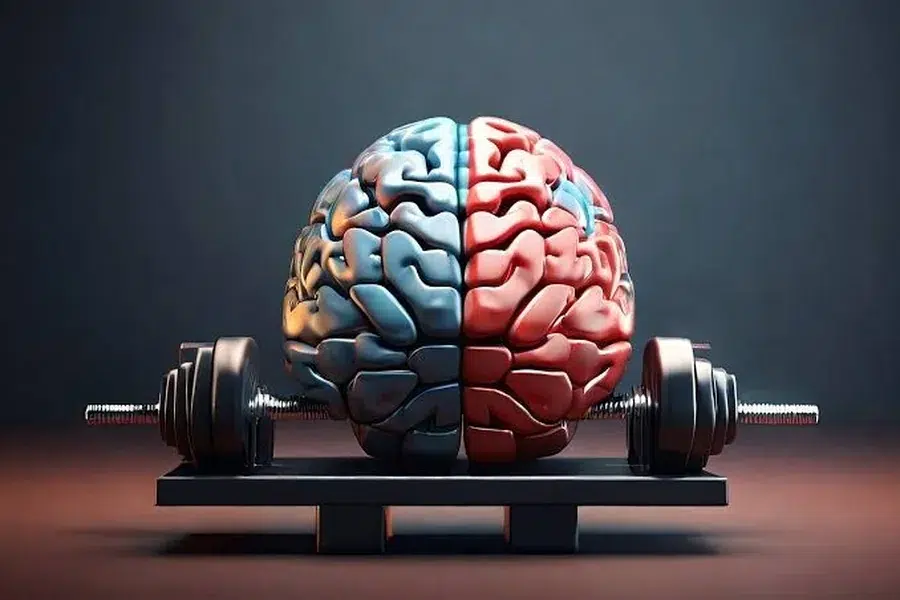
Low testosterone may affect how sharp and present you feel. Some men describe it as fog, not simple forgetfulness. You may lose focus at work or forget small tasks. Names, plans, and daily details can feel harder to hold on to.
Testosterone is linked with brain health, mood, and attention. Treatment may help some men feel clearer when low levels exist. However, brain fog has many possible causes besides hormones. Poor sleep, heavy stress, alcohol, medicines, and diabetes may contribute.
In addition, low mood can make thinking feel slow. A careful doctor will look for these causes before treatment. Healthy aging should support your mind, not just your body.
Promotes Emotional Well-Being
Hormones can affect mood in a quiet but real way. Low testosterone may leave you flat, irritable, or less patient. You may still handle life, yet feel less like yourself. Some men pull back from friends, hobbies, or family moments.
Testosterone therapy may help emotional balance when low levels are confirmed. It can also support confidence as energy and strength improve. However, it is not a stand-alone fix for deep sadness.
Anxiety, grief, burnout, and depression need proper care too. In addition, talking with a counselor can be very useful.
Aids in Healthy Body Composition
Body shape can change fast after middle age. Belly fat may grow, while arms and legs lose tone. This can feel unfair, especially when habits have not changed much. Low testosterone may make fat gain easier for some men. It can also make muscles harder to keep over time.
Testosterone therapy might be beneficial for low-testosterone men with regard to their body composition. But it is best combined with activity and more nutritious food choices, such as eggs, fish, beans, lean meat, fruits and vegetables.
Furthermore, reducing sugary beverages can greatly impact. Strength training will help promote weight gain into muscle, rather than fat storage. A healthy waist is indicative of better metabolic health.
Controls Type II Diabetes and Improves Metabolism
When the amount of testosterone in the body is low, Type II diabetes can be more difficult. You can expect to have more fat on your belly, less muscle and a not-so-good insulin response. Insulin promotes the transport of glucose from the blood to the working cells. If the body does not respond to insulin, blood sugar may rise.
In certain men with low T levels, testosterone replacement might help to improve their metabolism. It may assist with insulin responses, waist size, cholesterol and energy.
Food still plays a role on a daily basis. The body can also use walking after eating to regulate sugar. An A1C test will demonstrate the effectiveness of your plan. Smart care links hormones, weight, blood sugar and long-term health.
Conclusion
Healthy aging feels easier when your body gets the right care and checks. Testosterone therapy may help you stay strong, active, and steady with age. Still, safe treatment starts with lab tests and honest doctor talks.
Your best results also come from sleep, movement, food, and follow-ups. In the United States, smart care can support your health goals.