Postpartum Recovery Essentials: What Your Body Actually Needs and How to Prepare Before Birth
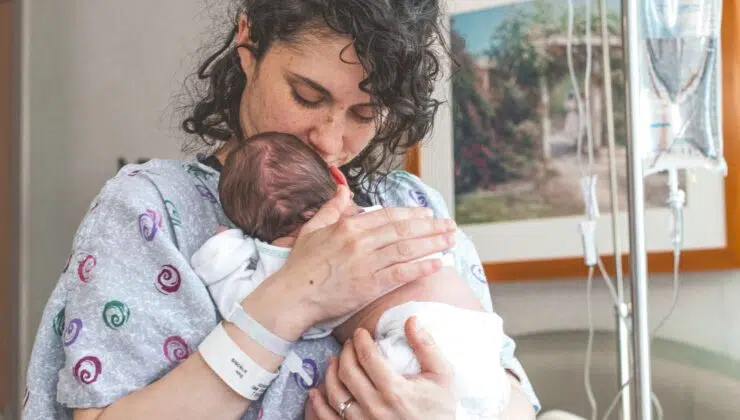
The postpartum period, the weeks and months following delivery, is one of the most physically demanding transitions a person can undergo. The focus during pregnancy is overwhelmingly directed toward the baby, the birth, and the preparation of a nursery and newborn essentials. What happens to the birthing parent's body after delivery receives comparatively little attention in most preparation conversations, even though physical recovery is a major determinant of how the entire early parenthood experience unfolds.
The physical changes of the fourth trimester, the period from birth to approximately twelve weeks postpartum, are significant and often surprising. Hormonal shifts, uterine involution, wound healing, breast changes, and the cumulative physical toll of labour create a body that needs specific, intentional support. Preparing for this period practically, rather than simply emotionally, makes a meaningful difference to recovery outcomes and overall experience.
What the Body Goes Through After Birth
Regardless of whether delivery was vaginal or via caesarean section, the postpartum body undergoes substantial physical change in the days and weeks following birth.
Uterine involution, the process by which the uterus contracts back toward its pre-pregnancy size, produces cramping and lochia, which is the vaginal discharge that includes blood, mucus, and uterine tissue. Lochia typically lasts for four to six weeks and changes in character over that time, beginning as a heavier, redder flow and gradually becoming lighter and more watery. Managing this discharge requires appropriate protection throughout the recovery period.
For vaginal deliveries involving perineal tears or episiotomies, the perineum requires specific care during healing. Sutures, swelling, and tenderness in this area make clothing choices important. Tight elastic, rough fabrics, and underwear that sits at the wrong position on the body can cause significant discomfort during the healing period. Soft, supportive options that do not compress or irritate healing tissue are genuinely better during this time.
Caesarean deliveries create a different set of considerations. The abdominal incision site requires protection from friction and pressure during healing. Waistbands that sit at or below the incision line and fabrics that do not irritate the wound are particularly important for comfortable daily function in the early postpartum weeks.
The Practical Reality of Postpartum Protection
The hospital's standard provision is often a mesh brief paired with large maternity pads. These work adequately in the immediate postpartum hours but are not a comfortable or practical solution for the weeks of recovery that follow. Many women are caught unprepared for how long lochia lasts and for how specific their clothing needs are during this period.
Postpartum-specific underwear is designed to address the combination of needs that characterise early recovery: absorption of lochia without the bulk of traditional pads, softness and stretch that accommodates a body that is still changing, positioning that protects any wounds or stitches, and a fit that is supportive without compressing.
Postpartum recovery underwear from Saalt is designed specifically for the weeks following birth. Made from soft, stretchy fabric with built-in absorbency to manage lochia, these are distinct from everyday period underwear in their construction, accommodating the heavier and more variable discharge of early postpartum recovery while remaining comfortable against sensitive skin. Having them prepared and at home before delivery means one less thing to think about in the immediate aftermath of birth.
The Pelvic Floor After Birth
Pelvic floor changes during and after birth affect a range of functions including bladder control, bowel function, and sexual comfort. Many women experience some degree of stress urinary incontinence, where physical exertion such as coughing, sneezing, or lifting causes leakage, in the postpartum period. This is common and, in most cases, responds well to appropriate pelvic floor rehabilitation.
The connection between pelvic floor recovery and clothing choices is practical. During the initial weeks when the pelvic floor is healing and recovery is underway, supportive but non-compressive underwear that provides confidence around incontinence while remaining comfortable is a genuinely useful tool alongside pelvic floor exercises and physiotherapy.
Understanding that these changes are common and that they respond to appropriate care reduces the isolation and shame that many women experience around postpartum bladder function. Being prepared with both the right physical support and realistic expectations changes how manageable the recovery period feels.
Emotional and Mental Health in the Postpartum Period
Physical recovery and mental health are deeply connected in the postpartum period, and addressing only one without the other leaves an incomplete picture. Approximately one in five new mothers experiences a perinatal mood disorder, with postpartum depression being the most commonly discussed, though anxiety, obsessive compulsive presentations, and in rare cases more severe conditions also occur.
Physical discomfort, sleep deprivation, the hormonal crash following delivery, and the demands of newborn care create a context in which existing vulnerabilities can be amplified and new ones can emerge. Being proactive about mental health in the postpartum period, including being honest with a healthcare provider about emotional state, having a support network in place, and managing the practical burdens of early parenthood as effectively as possible, all contribute to better outcomes.
The relationship between physical comfort and emotional resilience is real. When the body is in pain, uncomfortable, or dealing with unmanaged symptoms, the cognitive and emotional resources available for the other demands of new parenthood are reduced. Reducing physical discomfort through appropriate practical support is not a minor consideration but a meaningful contribution to overall wellbeing.
Building a Postpartum Preparation Kit
Preparing for postpartum recovery before delivery, in the same way that the hospital bag is packed in advance, ensures that the right items are available at the right time. Recovery from a significant physical event should not require a trip to a shop in the first week after birth.
A thoughtful preparation kit includes several pairs of postpartum-specific underwear covering the first two to three weeks before laundry becomes practical, appropriate wound care supplies as discussed with a midwife or obstetrician, items for perineal comfort including cold packs and appropriate sprays or wash, and a plan for pelvic floor support including contact information for a pelvic floor physiotherapist.
Planning meals and meals support for the first few weeks, having clear communication with a partner or support person about what practical help is needed, and having realistic conversations with employers or family about the timeline of recovery all contribute to a better-supported postpartum period.
Sleep and Rest During Recovery
Rest is consistently recommended for postpartum recovery and consistently one of the most difficult things to achieve with a newborn. The reality of infant sleep patterns means that consolidated rest is rarely possible in the early weeks regardless of preparation. What can be controlled is the removal of unnecessary disruptions and the creation of conditions that make rest possible when opportunity arises.
Clothing that is comfortable for sleeping, does not require complex adjustments during night feeds, and provides protection without bulk or discomfort contributes to rest quality. Postpartum underwear designed for overnight wear supports this, particularly during the first weeks when lochia is heavier and protection is needed through the night.
Returning to Physical Activity
The timeline for returning to physical activity after birth varies depending on the type of delivery, the presence of any complications, and the individual's recovery trajectory. A caesarean section is major abdominal surgery, and the recommended timeline for returning to most physical activity is longer than it is for uncomplicated vaginal delivery.
In all cases, pelvic floor assessment before returning to high-impact activity is increasingly recommended rather than simply advised at the six-week appointment. A pelvic floor physiotherapist can assess readiness for different types of exercise and provide a more individualised plan than the general clearance that a standard six-week check provides.
During the return to activity phase, clothing that is supportive without being compressive, that accommodates any residual sensitivity at wound sites, and that provides confidence against the light bladder leakage that can persist during early exercise is practically helpful.
Frequently Asked Questions
How long does postpartum bleeding (lochia) typically last?
Most women experience lochia for four to six weeks, though the character changes significantly over that time. It begins as a heavier, red flow and gradually becomes lighter and more watery. If heavy bleeding returns after it had lightened, or if there are clots larger than a golf ball, it is worth contacting a healthcare provider.
When can I wear regular underwear after a caesarean?
This varies with healing. Most women find they are ready to return to regular underwear once the incision site has healed sufficiently that waistband contact is not uncomfortable, typically at three to six weeks. Individual variation is considerable.
What is postpartum underwear and how is it different from period underwear?
Postpartum underwear is specifically designed for the recovery period after birth, accommodating higher volumes of discharge, sensitivity at wound sites, and the physical changes of the immediate postpartum body. Period underwear is designed for menstrual flow and does not always provide the same combination of coverage, softness, and positioning appropriate for postpartum use.
Is pelvic floor physiotherapy necessary for everyone after birth?
Not every woman requires treatment, but a pelvic floor assessment is valuable for almost everyone. Even women who feel their recovery has been straightforward may have subclinical changes that benefit from guidance.
When does the postpartum period officially end?
The fourth trimester of approximately twelve weeks is one commonly used framework, but physical recovery, particularly pelvic floor restoration and hormonal stabilisation, can continue for considerably longer. Defining recovery as complete at six weeks, which was historically common, significantly underestimates the actual timeline.