From Barbershop Anxiety to Medical Travel: Why Hair Transplants Became a Modern Self-Care Story
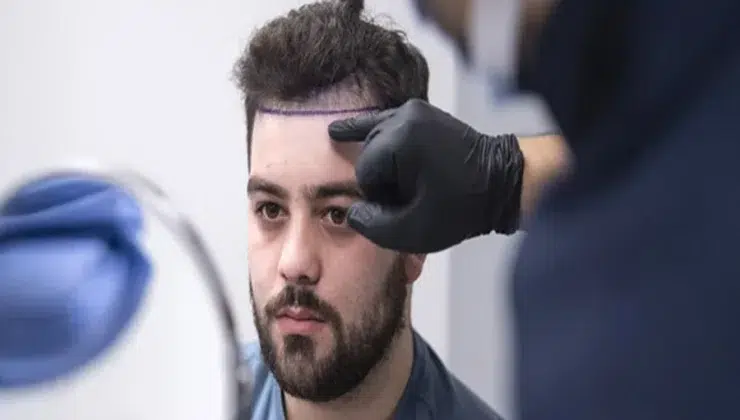
The first place many people notice hair loss is not in a mirror. It is in a photo. A birthday picture under harsh lighting, a video call with the camera angled too high, a tagged image from a night out, or the familiar moment at the barbershop when the stylist quietly works around a thinning crown.
For years, hair loss was treated as something to joke about, hide, or accept in silence. Men were expected to shrug it off. Women often had even fewer public conversations about it. But the culture around hair restoration has changed. What used to be whispered about is now researched openly on forums, social media, podcasts, and health sites.
That shift says a lot about modern self-care. The conversation is no longer only about vanity. It is about choice, confidence, medical access, and the way people use the internet to make more informed decisions about their appearance and wellbeing.
Why hair restoration became part of everyday conversation
Hair has always carried meaning. It is part of identity, style, age, culture, and self-expression. A haircut can mark a new chapter. A receding hairline can feel like one chapter closing before someone is ready.
The difference today is that people have more information. A person noticing thinning hair can compare treatments, read patient stories, learn the difference between shedding and pattern hair loss, and understand why timing matters. Instead of only asking whether a transplant is possible, they ask better questions: Am I a good candidate? How many grafts would I need? What does recovery look like? Which technique is right for my hair type?
This more informed patient is changing the industry. Clinics can no longer rely on vague promises or dramatic before-and-after photos alone. People want transparency, medical credibility, realistic timelines, and clear explanations of what can and cannot be achieved.
The rise of the camera-ready world
Part of the new demand is cultural. We live in a camera-ready world, where people see themselves more often than previous generations did. Meetings happen on screens. Social lives unfold in images. Personal brands are built on profiles. Even people who do not consider themselves image-conscious are still exposed to their own face and hairline constantly.
That does not mean everyone should change something about their appearance. It means people are more aware of details that were once easier to ignore. For some, hair loss is not a major concern. For others, it affects how they present themselves at work, in relationships, or in social situations.
A mature conversation around hair restoration should leave room for both choices: accepting hair loss naturally, or seeking treatment after careful medical advice. The key is that the decision should be personal, informed, and realistic.
Why medical travel entered the discussion
Another reason hair transplants have become more visible is the growth of medical travel. Patients no longer compare only clinics in their own city. They compare countries, hospitals, techniques, pricing, and aftercare. The search has become international.
Turkey has long dominated the global hair transplant conversation, but other destinations are gaining attention, especially for European patients who want shorter flights, organized care, and treatment in a hospital environment. Albania is one of those emerging destinations. Tirana is close to Italy, Greece, Germany, Switzerland, and the UK, and private healthcare providers there increasingly serve international patients.
For readers comparing options, hair transplant in Albania at Hygeia Hospital in Tirana is one example of how the service is being presented within a hospital-based plastic surgery setting rather than a standalone cosmetic studio.
What patients are really comparing
The price of a hair transplant matters, but it is rarely the only factor. A serious patient usually compares the technique, the surgeon’s involvement, the donor area assessment, the graft estimate, the follow-up plan, and the medical setting where the procedure takes place.
The most common methods include FUE, where individual follicular units are extracted and implanted, and DHI, where follicles are placed using an implanter pen. Each approach has potential advantages depending on the hairline, density goals, donor area, and whether the patient wants to avoid shaving parts of the recipient area.
A good consultation should not push every patient toward surgery. Some people may need medication, PRP, a waiting period, or investigation of underlying causes before a transplant makes sense. Hair restoration works best when the pattern of hair loss is stable, the donor area is healthy, and expectations are grounded in anatomy rather than fantasy.
The quiet importance of aftercare
Online discussions often focus on the day of surgery, but recovery is where many practical questions appear. When can someone return to desk work? How long do scabs last? What is shock loss? When does new growth begin? Why do final results take months rather than weeks?
These details matter because a hair transplant is not an instant makeover. It is a medical process with a timeline. Early shedding can worry patients who are not prepared for it. Growth usually appears gradually, with visible improvement over months and final density often assessed around the one-year mark.
This is why aftercare should be part of the decision from the beginning. Written instructions, follow-up appointments, video check-ins, and clear contact points are not extras. They are part of what makes medical travel feel organized rather than improvised.
A healthier way to talk about appearance
There is a risk in any beauty or wellness trend: it can turn normal human variation into a problem to be solved. Hair loss is common, and nobody should feel pressured into treatment because of a trend, a partner, a workplace, or a social media feed.
At the same time, dismissing hair restoration as vanity misses the point for many patients. Appearance can affect confidence, and confidence can affect how people move through the world. The healthier conversation is not about telling everyone to change. It is about making sure those who want to explore treatment do so safely, with qualified professionals and realistic information.
That is where journalism, online communities, and responsible health content can help. They can replace stigma with clarity. They can push readers to ask better questions. They can remind people that a medical procedure should never be chosen because of pressure or panic.
The final takeaway
Hair transplants have become a modern self-care story because the culture around them has changed. People are more open, more researched, and more willing to compare options across borders. Medical travel has made those options wider, but it has also made careful decision-making more important.
The best outcome is not simply a fuller hairline. It is a patient who understands the process, chooses a credible medical team, follows recovery instructions, and approaches the decision with patience. In a world full of quick fixes, that kind of informed choice may be the most valuable trend of all.
Author Bio
Guest Contributor: A health and culture writer covering wellness trends, medical travel, and the way digital communities shape personal decision-making.