A Complete Breakdown Of How Glutathione Supplements Work At The Cellular Level
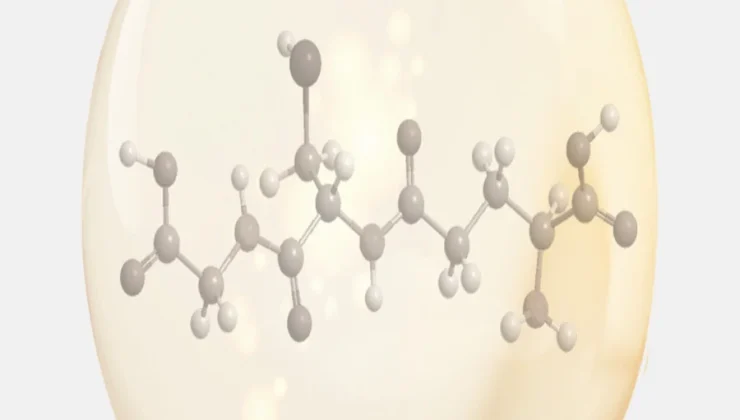
Every cell in the human body faces constant oxidative stress from daily metabolism and environmental toxins. Glutathione, a small protein made from three amino acids, serves as the primary defender against this cellular wear and tear. Scientists call this molecule the master antioxidant because it protects other antioxidants from breaking down too quickly.
How Glutathione Works remains a fascinating mystery for many health enthusiasts seeking better cellular protection. When someone swallows a glutathione capsule, the digestive tract faces a significant challenge breaking down this fragile compound. This complex journey explains why supplement formulations require special delivery methods for effectiveness.
Direct Neutralization Of Reactive Oxygen Species
Free radicals carry an unpaired electron that makes them highly unstable and destructive to nearby cellular components. Glutathione donates one of its own electrons to stabilize these dangerous molecules without becoming harmful itself. This neutralization reaction happens spontaneously inside the cytoplasm, mitochondria, and nucleus of every single cell. One glutathione molecule can quench multiple free radicals before the body needs to recycle or replace it completely. The sulfur atom within the cysteine portion of glutathione acts as the electron donor in this protective reaction.
Recycle Of Other Essential Antioxidants
Vitamins C and E neutralize free radicals but become inactive themselves after a single reaction event. Glutathione restores these spent antioxidants to their active forms through a process called redox cycling. This recycling ability allows a small amount of glutathione to support a much larger network of cellular protection. Vitamin E resides in cell membranes, where it stops lipid peroxidation chains before they spread widely. After vitamin E neutralizes a free radical, glutathione reduces it back to an active state immediately.
Regeneration Of Oxidized Glutathione Stores
When glutathione neutralizes a free radical, it becomes oxidized and forms a dimer called GSSG. An enzyme called glutathione reductase uses NADPH to convert GSSG back into two active glutathione molecules. This regeneration cycle allows the same glutathione molecules to work repeatedly for hours or even days. The ratio of reduced glutathione to oxidized GSSG serves as a key marker of cellular health status. High GSSG levels indicate that oxidative stress has overwhelmed the cell’s normal recycling capacity completely.
Detoxification Of Harmful Foreign Compounds
The liver contains high concentrations of a family of enzymes called glutathione S transferases. These enzymes attach glutathione to toxins, drugs, and environmental pollutants to make them water-soluble. Once conjugated with glutathione, these harmful compounds become recognizable for active transport out of the cell. The body then excretes these neutralized toxins through bile or urine without further damage to tissues. Acetaminophen overdose causes liver failure precisely because it depletes hepatic glutathione stores too rapidly.
Protection Of Mitochondrial Function
Mitochondria produce cellular energy but also generate massive amounts of free radicals as a normal byproduct. These power-generating organelles maintain their own distinct glutathione pool separate from the rest of the cell. Mitochondrial glutathione protects iron sulfur clusters and other critical enzymes from oxidative inactivation constantly. When mitochondrial glutathione falls too low, energy production drops, and the organelle leaks death signals into the cytoplasm. This leakage triggers programmed cell death pathways that eliminate entire groups of damaged cells systematically.
Glutathione supplements aim to support these natural processes by maintaining adequate levels within cells. The science behind How Glutathione Works reflects a coordinated system rather than a single isolated function. A deeper appreciation of this molecule highlights its importance in maintaining cellular harmony. This intricate network of biochemical activity reinforces its essential role in preserving long-term cellular stability and overall physiological balance.