Weighted Vest For Hiking: Endurance and Stamina Boost
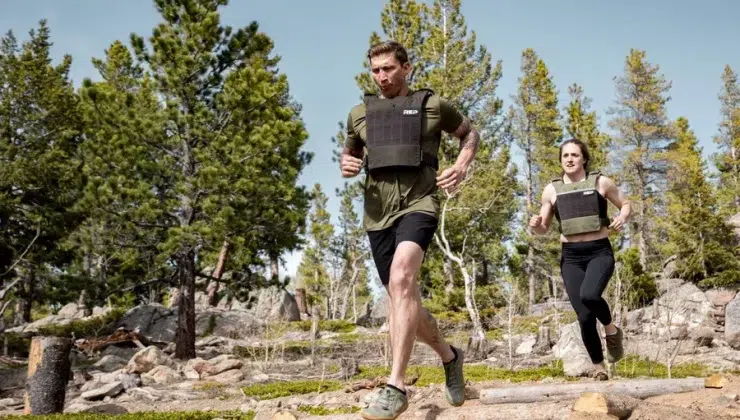
Hiking is one of the most rewarding ways to connect with nature, challenge your body, and clear your mind. For outdoor enthusiasts who want to take their training to the next level, adding a weighted vest for hiking can be a game-changer. This piece of gear introduces extra resistance to every step, helping build stamina, strength, and endurance for both casual hikers and serious long-distance trekkers. In this article, we’ll explore the benefits of weighted vests for hiking, how to use them effectively, and tips for choosing the best weighted vest for hiking trails.
Why Hikers Are Turning to Weighted Vests
When most people think of resistance training, they picture gyms and dumbbells. However, hiking already combines cardiovascular fitness with muscular endurance. Adding a weighted vest makes every incline steeper and every step more demanding, giving you a workout that mimics the challenges of real-world trekking or backpacking.
A weighted vest hiking routine provides several benefits:
- Improved Cardiovascular Endurance: Your heart works harder under load, increasing aerobic capacity over time.
- Enhanced Muscular Strength: Legs, glutes, and core muscles adapt to carrying additional weight, preparing your body for challenging terrain.
- Higher Calorie Burn: Extra resistance means more energy expenditure, ideal for hikers who want fitness and weight management benefits.
- Realistic Training for Backpacking: For those who train for multi-day hikes, the vest simulates the load of carrying gear without committing to a full pack.
Weighted Vests vs. Backpacks
Some hikers wonder why not just carry a heavy backpack. The answer lies in weight distribution and training goals. Weighted vests sit close to the torso and distribute weight evenly across the body. This improves posture, reduces strain on the shoulders, and keeps your balance centered while hiking. In contrast, backpacks often pull weight backward, leading to posture issues or back discomfort during long distances.
For endurance training, the weighted vest for hiking offers a safer and more functional alternative to overloading a backpack.
Endurance and Stamina Benefits
The main goal of adding resistance to hiking is to improve endurance and stamina. Here’s how a vest helps in different dimensions:
- Cardio Endurance for Long Distances
Hikers who use a weighted vest long distance walking program gradually adapt to longer treks with less fatigue. Over time, removing the vest makes regular hikes feel easier, much like athletes training at high altitude and then competing at sea level. - Strength and Joint Resilience
Weighted resistance stimulates bone density and strengthens connective tissue, which is especially useful for hikers tackling steep ascents or rocky trails. Stronger legs and core muscles make you more resilient against injuries. - Mental Stamina
Endurance hiking is as much mental as physical. The added difficulty from a vest trains discipline and mental toughness, ensuring that long treks or unexpected trail challenges don’t overwhelm you.
Best Practices for Weighted Vest Hiking
While the benefits are clear, proper usage is crucial to prevent overexertion or injury.
- Start Light: Begin with a vest that adds 5–10% of your body weight. Gradually increase resistance as your body adapts.
- Choose the Right Terrain: Begin on flat or moderately inclined trails before moving to steep or uneven ground.
- Maintain Posture: Keep shoulders relaxed, chest open, and stride natural to avoid strain.
- Hydrate and Rest: Extra weight increases energy output, so hydration and pacing become more important.
- Use Shorter Sessions at First: Instead of attempting long hikes immediately, start with 20–30 minute sessions to condition your body.
Selecting the Best Weighted Vest for Hiking Trails
The market offers many fitness vests, but not all are suited for hiking. Here’s what to look for when choosing the best weighted vest for hiking trails:
- Adjustable Weight Options: Look for a vest with removable weight packets so you can tailor resistance for different trails.
- Breathable Material: Hiking can be hot and sweaty, so a vest made from mesh or moisture-wicking fabric improves comfort.
- Secure Fit: A snug, body-hugging design prevents bouncing or shifting during long treks.
- Even Weight Distribution: Balanced loading across the torso ensures natural movement and reduces the risk of strain.
- Durability: Trails can be rough on gear, so rugged stitching and high-quality materials are essential.
Some brands market vests primarily for gym use, but outdoor hikers should look for products that specifically highlight trail durability and comfort.
Weighted Vest Long Distance Walking: A Training Approach
For hikers preparing for multi-day backpacking trips, using a weighted vest long distance walking program can simulate real-world challenges. Consider this approach:
- Start with Short Walks: Wear the vest during 1–2 mile walks in your neighborhood or local park.
- Progress Gradually: Increase distance and elevation weekly. For example, aim for 5–7 miles with the vest before attempting long hikes.
- Incorporate Interval Training: Mix brisk walking with slower paces to build both speed and stamina.
- Track Your Progress: Use a fitness watch or app to monitor heart rate, pace, and perceived exertion.
By the time you transition from training walks to actual hiking trails, your body will be conditioned to handle longer distances under load.
Safety Considerations
Although weighted vests are safe when used properly, hikers should pay attention to the following:
- Avoid Overloading: Using too much weight too soon increases the risk of joint or back strain.
- Monitor Breathing: Shortness of breath is normal under load, but difficulty breathing signals you should reduce weight.
- Footwear Matters: A supportive pair of hiking boots reduces the impact on knees and ankles when carrying extra weight.
- Listen to Your Body: Fatigue is part of training, but sharp pain or joint discomfort means it’s time to stop.
Who Can Benefit from Weighted Vest Hiking?
The practice isn’t just for elite athletes. A variety of hikers can benefit:
- Beginners: Build foundational strength and stamina before tackling advanced trails.
- Backpackers: Train realistically for the physical demands of carrying gear.
- Fitness Enthusiasts: Combine outdoor adventure with resistance training for overall conditioning.
- Long-Distance Walkers: Add intensity to urban or suburban walking routines.
Conclusion
Adding a weighted vest for hiking is one of the most effective ways to elevate your outdoor training. Whether your goal is to improve endurance, build stamina, or prepare for long-distance treks, the right vest transforms ordinary hikes into high-performance workouts. With careful selection, gradual progression, and attention to safety, you’ll find that every trail becomes a training ground for strength, resilience, and adventure.
For those looking to maximize results, investing in the best weighted vest for hiking trails ensures durability, comfort, and adaptability. Pair that with a smart training plan, and you’ll discover the benefits extend far beyond the trail—helping you become stronger, fitter, and more prepared for every step ahead.