The Future of Printing: Digital and Personalized
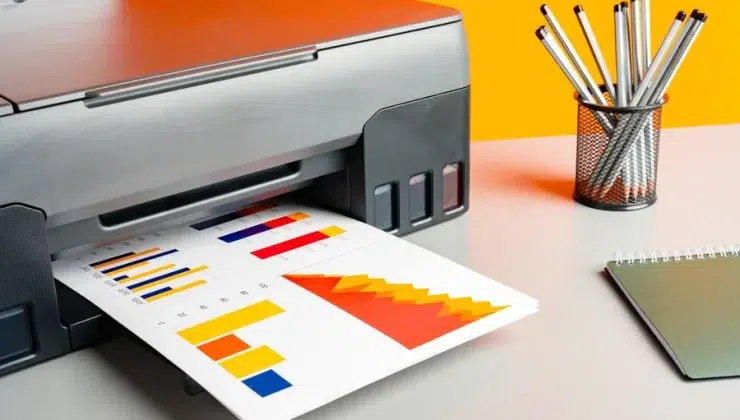
The printing industry stands at a transformative crossroads where technological advancement meets individual customization needs. Digital printing transforms production into personalized solutions. This comprehensive evolution encompasses everything from sophisticated variable data printing technology that creates unique, personalized versions for each individual recipient to advanced on-demand production systems that effectively eliminate costly inventory waste. Artificial intelligence, automated workflows, and sustainable materials converge to create unprecedented opportunities for competitive business advantages.
Modern printing technologies seamlessly connect with digital marketing systems to enable instant personalization using customer data. Professional printing services have evolved beyond traditional offset methods, embracing technologies that allow instant customization without sacrificing quality or speed. These advances particularly benefit academic institutions, marketing agencies, and e-commerce businesses requiring flexible, scalable print solutions that adapt to changing market demands.
Digital Printing Technologies Revolutionizing Modern Production
Digital printing systems transform production by transferring images directly from files to materials using advanced technology. Unlike traditional offset printing methods that require physical plates and time-consuming setup procedures, modern digital presses can begin production immediately after receiving files, dramatically reducing turnaround times from several weeks to just hours. This revolutionary technological leap empowers businesses to respond swiftly and effectively to dynamic market changes while testing various designs and messages without the financial burden of committing to large print runs.
Variable data printing (VDP) represents one of the most revolutionary and transformative capabilities that modern digital technology has brought to the printing industry, enabling every single printed piece to contain completely unique, customized information that is dynamically drawn from comprehensive databases. Marketing campaigns now feature highly individualized content that incorporates personalized customer names, specific mailing addresses, customized images, and carefully crafted promotional offers tailored to meet the unique preferences of distinct customer segments. Research from advanced digital printing research demonstrates that personalized materials generate response rates exceeding generic campaigns by up to 500%, fundamentally changing how organizations approach customer engagement through print media.
Personalization Capabilities in Contemporary Print Solutions
Personalization now uses algorithms to create individualized experiences. Modern digital printing systems seamlessly integrate with sophisticated customer relationship management platforms, automatically generating highly customized layouts, carefully selected color schemes, and personalized content selections that are specifically tailored based on detailed individual customer profiles. This unprecedented level of sophisticated customization, which previously demanded extensive manual design work requiring skilled professionals to painstakingly craft each individual variation, has been revolutionized by automation that now seamlessly enables the production of thousands of completely unique versions within single print runs.
The packaging industry, which has undergone significant transformation in recent years, particularly benefits from these advanced personalization capabilities, enabling brands to create limited editions, regional variations, and customer-specific designs that not only strengthen brand loyalty but also foster deeper consumer engagement across diverse market segments. Companies exploring top printing methods for custom packaging discover how digital technologies enable cost-effective short runs that test market reception before committing to larger productions. QR codes and augmented reality elements significantly enhance personalized packaging solutions by seamlessly linking physical products to unique, immersive digital experiences specifically tailored to meet individual consumer preferences and expectations.
Quality Standards and Material Innovations in Digital Printing
Contemporary digital printing achieves quality levels matching or exceeding traditional offset methods, with resolutions reaching 2400 DPI and color gamuts covering expanded spectrums. Advanced color management systems ensure consistency across different substrates and production runs, while inline finishing options add special effects like metallic inks, spot varnishes, and textured coatings previously requiring separate processes. These substantial quality improvements have successfully eliminated the long-standing perception gap that previously existed between digital and conventional printing methods, thereby making digital technology genuinely viable for premium applications including fine art reproductions and luxury packaging.
Material science innovations have significantly expanded substrate compatibility far beyond traditional standard papers to successfully include diverse materials such as plastics, metals, ceramics, and various textiles for printing applications. Water-based and UV-curable inks offer durability and eco-friendliness with vibrant colors on difficult surfaces. Manufacturers test biodegradable substrates and plant-based inks that maintain quality while meeting sustainability goals.
Cost-Effectiveness and Efficiency of Digital Print Services
Digital printing removes traditional costs like plates and setup fees, making small production runs economically viable. Print-on-demand models help businesses reduce inventory costs by producing only the exact quantities they need. Instant revisions save money by avoiding waste of outdated inventory and documents.
Automation, which has been systematically integrated throughout every stage of the production workflow, significantly reduces labor costs that traditionally burden print service providers, while simultaneously improving both the accuracy of output and the consistency of results across multiple print runs, regardless of order size or complexity. Web-to-print platforms, which have revolutionized the digital printing industry through their sophisticated automated interfaces, allow customers to seamlessly upload their design files, dynamically preview the anticipated results, and confidently place orders without requiring any manual intervention from staff, thereby significantly streamlining operational processes for both print service providers and their diverse clientele. Efficiency makes professional printing affordable for everyone.
Environmental Impact and Sustainability in Future Printing Methods
Digital printing technology, which has revolutionized modern production methods, inherently reduces environmental impact through the systematic elimination of chemical-intensive plate-making processes that traditionally required hazardous substances, while simultaneously achieving substantial reduction of paper waste commonly associated with conventional makeready procedures that plagued older printing systems. On-demand production reduces overprinting and obsolete inventory disposal while precise ink application decreases consumption versus traditional methods. Companies implementing test packaging with short-run roll stock benefit from reduced material waste during testing phases, supporting sustainability goals while optimizing package designs.
Top manufacturers create environmentally friendly consumables with recycled materials, plant-based inks, and energy-saving equipment that meet strict certifications. Closed-loop recycling systems effectively capture and reuse waste materials while carbon offset programs work to neutralize emissions. These sustainability initiatives attract environmentally conscious consumers while reducing operational costs through resource efficiency, positioning digital printing as the sustainable choice for future print production needs.
Transforming Your Print Strategy for Tomorrow’s Market
Digital technology combined with personalization capabilities offers unique opportunities for businesses to differentiate through customized print communications. Organizations that actively embrace these technological innovations, which represent a significant departure from conventional methods, consistently report substantially increased customer engagement metrics, demonstrably improved return on investment figures, and notably enhanced brand perception outcomes when directly compared to traditional mass-production approaches that dominated previous decades. Success demands comprehending existing technologies Boredflix, choosing suitable solutions, and collaborating with expert providers who exceed basic printing services. Companies that transform print from commodity to personalized marketing tool will dominate the future.