Long-Term Cost Savings of Investing in Tree Healthcare
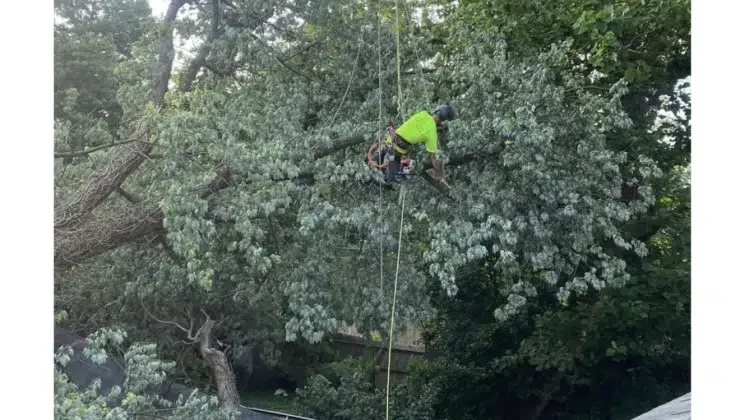
Proper care for trees is often overlooked in property management, yet it plays a crucial role in the long-term financial and environmental health of a property. Trees provide shade, improve air quality, enhance aesthetic appeal, and increase property value. While some property owners may view tree care as an optional expense, investing in comprehensive tree healthcare can prevent costly problems later. Neglected trees can develop diseases, structural weaknesses, or pest infestations, leading to expensive removal or replacement costs.
Proactive tree maintenance not only preserves the trees themselves but also safeguards surrounding structures, landscapes, and utilities from potential damage. We will explore how consistent attention to tree health, particularly through tree healthcare in Louisville KY, translates into substantial cost savings over time and why these investments are both financially and environmentally sound. Understanding these benefits can help property owners make informed decisions about tree care.
How Tree Healthcare Reduces Long-Term Expenses
-
Preventing Damage to Property
Trees that are unhealthy, overgrown, or structurally unsound pose a significant risk to property. Branches can fall during storms, roots can interfere with foundations or underground utilities, and diseased trees may become unstable. Repairing storm damage, fixing foundations, or replacing damaged pipes can cost thousands of dollars. Regular tree inspections, pruning, and treatment for pests or diseases reduce the likelihood of such events. By maintaining tree structure and health, property owners can avoid emergency repairs and insurance claims, which often come with high deductibles or increased premiums. Proper tree healthcare is an investment in prevention, ensuring that trees remain safe and stable, protecting both the physical property and the people living or working nearby.
-
Extending the Life of Trees
Replacing mature trees is significantly more expensive than maintaining existing ones. A fully grown tree can take decades to reach its size and environmental value, while young trees require years of care before achieving the same benefits. By investing in routine care such as pruning, fertilization, and disease management, trees live longer and continue to provide shade, energy savings, and aesthetic benefits. The cost of preventive care is modest compared to the financial and environmental impact of removing and replacing mature trees. Well-maintained trees continue to enhance property value, contribute to energy efficiency by shading buildings, and support local ecosystems, making their long-term preservation both economically and ecologically beneficial.
-
Reducing Pest and Disease Costs
Unchecked pests and diseases can spread rapidly, affecting not only a single tree but also nearby plants and landscapes. Treating infestations after significant damage has occurred often requires extensive removal, chemical treatment, and replacement planting. Regular monitoring and early intervention reduce the spread of pests and prevent costly treatments. Preventive tree healthcare practices, such as targeted pruning, soil management, and the use of organic or approved treatments, maintain tree health and minimize the risk of large-scale outbreaks. By addressing minor issues early, property owners save on the labor and materials needed for emergency treatments, ensuring that their investment in landscaping remains protected and sustainable over time.
-
Enhancing Energy Efficiency
Strategically placed and well-maintained trees can reduce energy costs by providing natural shade and windbreaks. During summer months, trees can lower cooling needs by shading buildings, while in winter, properly positioned trees reduce heating costs by blocking cold winds. Trees in poor health or overgrown trees may not offer the same energy-saving benefits, and neglected branches may even cause damage to structures or block sunlight in ways that increase utility costs. Maintaining trees to ensure they are healthy, properly shaped, and free from disease ensures they continue to deliver these long-term energy savings. The reduction in heating and cooling expenses is a financial advantage that compounds year after year, contributing significantly to overall property cost management.
-
Preserving Property Value
A landscape that includes healthy, thriving trees is more appealing to potential buyers or tenants, and it often results in higher property valuations. On the contrary, properties with damaged, diseased, or overgrown trees can appear neglected, reducing marketability and perceived value. Routine tree healthcare maintains the visual appeal, safety, and ecological benefits of the property, ensuring that the investment in landscaping continues to provide financial returns. By preventing tree loss and mitigating damage risks, property owners safeguard their investment in both the property and the surrounding environment. Trees serve as long-term assets, and their proper care ensures that these assets continue to enhance property value over decades rather than diminishing it.
-
Minimizing Liability Risks
Neglected or unstable trees can present legal and financial risks if they cause injury or property damage. Homeowners, business owners, and municipalities can be held liable for accidents caused by falling branches or unstable trees. By investing in preventive care, such as regular inspections and pruning, property owners can identify potential hazards before they become liabilities. Documentation of ongoing tree maintenance can also demonstrate responsible stewardship, potentially reducing insurance premiums or legal exposure. Tree healthcare thus not only protects physical assets but also helps manage the legal and financial risks associated with maintaining a property, adding another layer of cost savings over the long term.
Investing in tree healthcare is an effective strategy for long-term financial and environmental sustainability. Proper maintenance prevents property damage, extends the life of trees, reduces the need for costly pest or disease treatments, enhances energy efficiency, preserves property value, and minimizes liability risks. These benefits combine to make tree care a practical and financially sound investment. Trees are living assets that, when properly cared for, continue to provide aesthetic, ecological, and economic advantages for decades.
By prioritizing preventive care and routine maintenance, property owners can achieve significant cost savings over time while fostering healthier, more resilient landscapes that benefit both people and the environment. A commitment to tree healthcare is an investment that pays for itself many times over through the protection and enhancement of property value, safety, and long-term environmental benefits.