Key Safety Tips Every International Traveler Should Know
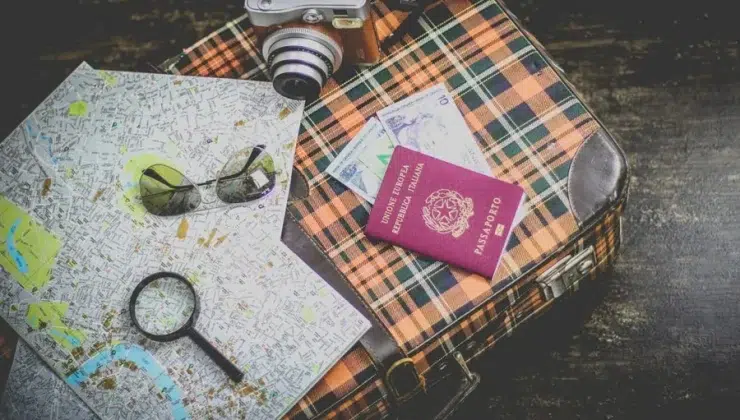
International travel brings new sights, yet unfamiliar routines can create avoidable risks. A few safety habits help you stay calm when plans change or stress rises. The best approach blends preparation, awareness, and simple routines you can repeat anywhere.
Safety does not mean fear, and it does not require constant worry in public spaces. Small steps protect your documents, money, health, and digital access throughout the trip. Use the tips below to travel with confidence while staying alert to your surroundings.
Stay Connected and Keep a Backup Plan
Reliable mobile access helps you reach maps, bookings, and emergency contacts without delays. An eSIM for travel provides instant mobile data without visiting a shop or swapping a physical SIM card, helping you stay connected from the moment you arrive Once it is live, test maps and messaging so you know your connection is stable.
Keep your hotel address, embassy number, and a local emergency number saved in notes. Share a simple itinerary with a trusted person and set check-in times you can keep. Carry a small power bank and a paper card with key addresses.
Protect Your Documents and Money
A passport, cards, and keys deserve a single secure system, not scattered pockets. Keep originals close, then store photocopies in a separate bag and secure digital storage. Use a money belt or an inner pocket when you move through busy terminals.
Once your trip is over, you can sell your leftover currency online rather than leaving unused foreign notes sitting at home. Use bank ATMs in well-lit areas and avoid conversion offers at tills and kiosks. Review spending daily for two minutes, so problems surface early.
Use Smart Habits in Crowds and Tourist Areas
Crowds create distraction, and distraction creates opportunity for petty crime. Keep your focus on movement and exits, not just the view. Use the habits below to stay comfortable and alert.
- Keep bags zipped and worn in front on trains and in dense queues.
- Avoid showing large amounts of cash, expensive jewellery, or new devices in busy areas.
- Step aside before you check directions, so you do not block footpaths.
- Decline aggressive offers with a calm “no,” then keep walking without debate.
Stay aware near photo spots, ticket lines, and transport hubs where thieves target visitors. If someone bumps you, check your pockets and move to a calmer space. Confidence and pace help, since hesitation can attract unwanted attention.
Choose Safer Transport and Lodging Routines
Transport choices affect safety, especially after dark or in unfamiliar districts. Use reputable taxi apps or licensed ranks, then confirm the plate and driver before entry. On trains, pick carriages with other passengers and keep bags within reach.
For lodging, prioritise secure entry, a staffed reception, and a location with good lighting. Use the room safe for passports when you go out, then keep one card and cash on you. Ask the hotel to mark a local map and note safe routes.
Manage Health Risks and Get Help Fast
Health issues can derail trips, so prepare for common problems before they start. Pack essential medication, basic first-aid items, and copies of prescriptions in case of loss. Drink water, schedule meals, and plan short breaks to prevent exhaustion.
Know how to access care by locating a nearby clinic and the local emergency number. Carry travel insurance details and store them offline for quick access during stress. If symptoms feel severe, seek help early and do not wait for improvement.
Protect Your Devices and Online Accounts
Cyber risks rise abroad, since travellers rely on phones for access and payments. Keep your device updated, lock screens with strong codes, and use two-factor authentication. Use the steps below to reduce risk on shared networks.
- Avoid public Wi-Fi for banking, and use mobile data or a trusted hotspot.
- Turn off auto-join for networks, and forget networks after use.
- Use a password manager, and avoid reusing the same password across accounts.
- Watch for fake links in texts and emails, especially those creating urgency.
Back up photos and key files so a lost phone does not erase important information. Keep app permissions tight, and disable Bluetooth when you do not need it. A few setting changes can prevent major disruption later.
Trust Your Instincts and Set Clear Boundaries
Personal safety improves when you listen to discomfort and act without apology. If a street feels wrong, change direction and move towards light and people. Keep boundaries simple, with firm refusals and no explanations to strangers.
Limit alcohol when you travel alone, since judgement matters most in new places. Meet new contacts in public venues and tell someone where you plan to go. A calm “no” protects your space and keeps situations manageable.
A safe trip comes from small routines that protect your documents, health, and awareness each day. Tools like an eSIM for travel support quick access to maps, contacts, and help when plans shift. When you pair preparation with steady judgement, international travel feels freer and far less stressful.