How to Brew Dark Roast Coffee Without the Burnt Taste
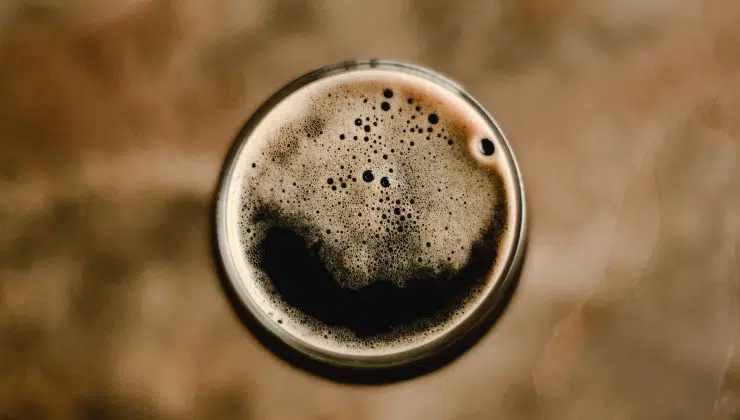
Many people think that a burnt, bitter taste is just a part of drinking dark roast coffee, but that’s not true. Dark roasts are flavorful, full-bodied coffees, but you have to get the brew right to avoid that bitter taste.
Overextraction is the most common reason your dark roast might taste burnt or bitter, but that’s easy to prevent.
What Is Dark Roast Coffee?
Dark roast coffee is roasted for longer than light or medium roasts. It develops a darker color and is richer in flavor, fuller in body, less acidic, and sweeter.
These beans become more porous the longer they roast, which affects extraction because the more porous the beans, the faster their flavor develops, making them easier to overextract.
Best Brewing Methods for Dark Roast Coffee
You can brew dark roast coffee using any method, but note that different methods can highlight different characteristics, so choose according to what you prefer.
|
Method |
Pros |
Cons |
|
Pour-over |
Cleaner cup, highlights nuance and sweetness |
Requires attention and technique |
|
French press |
Full body, rich flavor, depth |
Oversteeping results in muddy or bitter taste |
|
Cold brew |
Naturally smooth, low bitterness, sweet |
Long brew time, less complexity |
|
Aeropress |
Smooth, versatile, easy to experiment with |
Less body, small servings |
How to Brew Dark Roast Coffee
Here are some pointers to get your brew right:
Pour-over
Grind: Medium grind
Ratio: 1:15 to 1:16
Water temp: 195°F–200°F
- Rinse your filter with hot water.
- Add your ground coffee to the filter and pour a small amount of hot water over it.
- Let it bloom for 30 seconds.
- Pour in ⅓ of your remaining water in circular motions and let it sit for 10-15 seconds.
- Repeat the previous step two more times until you’re out of water.
- Your pour-over cup is ready to enjoy.
French press
Grind: Coarse grind
Ratio: 1:12 to 1:15
Water temp: 195°F–200°F
- Pour hot water into the French press and place the lid on it to warm it up.
- Toss out the water and pour in your ground coffee.
- Pour in half of your hot water and stir the coffee grounds.
- Let the coffee bloom for 40 seconds.
- Pour in the remaining water, place the lid on, and set the plunger on top of the coffee grounds.
- After 4 minutes of steeping, gently push the plunger down and serve.
Cold brew
Grind: Coarse grind
Ratio: 1:8
Water temp: Cold
- Add your ground coffee to a large pitcher.
- Pour in your cold water and stir to saturate the coffee grounds.
- Cover and let it steep for 12-16 hours in the refrigerator or at room temperature.
- Strain through a fine mesh sieve or filter to remove the coffee grounds.
- Serve over ice and store the rest in your refrigerator.
Aeropress
Grind: Medium/fine grind
Ratio: 1:14 to 1:16
Water temp: 203°F–205°F
- Insert a filter into the cap and rinse it with hot water.
- Discard the hot water and pour the coffee grounds into the Aeropress.
- Pour a little more than half your hot water into the Aeropress in slow circular motions.
- Let the coffee bloom for 10-15 seconds and then stir.
- Pour in the remaining hot water in slow circular motions and fasten the cap onto the Aeropress.
- Let it sit for 1.5 minutes and place the Aeropress over your mug.
- Gently press it down, and when you hear a hissing sound, your coffee is ready.
Common Mistakes to Avoid When Brewing Dark Roast
If you’re ending up with bitter coffee when using a dark roast, don’t be discouraged; you just need to make some simple adjustments.
Grind size
The right grind size is crucial for proper extraction because it controls how fast water extracts flavor from your coffee.
If your grind size is too small, water takes longer to move through your coffee, leading to over-extracted coffee. If it’s too large, water moves through your coffee too quickly, leading to under-extracted and weak coffee.
Water Temperature
The temperature of the water you use affects how quickly flavor is extracted from your grounds. Since dark roasts are more soluble, water temperature is key to brewing a flavorful cup.
If water is too hot, you’ll get over-extracted coffee that is bitter, and if it’s too cold, this leads to under-extracted coffee that is dull.
Timing
The amount of time water stays in contact with the coffee grounds affects how much flavor is extracted.
Not blooming your coffee prevents even extraction and leads to flat flavor, while extracting too long leads to a bitter taste.
How to Make Your Dark Roast Better
Grind size
Learn the recommended grind size for the method you use, and if your coffee is leaning bitter, go coarser. Stay within the recommended grind size range, but fine-tune the size that works best for your coffee.
Water temperature
You can’t measure water temperature by eye, so a temperature gauge will be helpful. Avoid boiling water, which will be too hot for your dark roast.
Extraction time
Know the recommended extraction time for your method and roast, but use it as a starting point. If your coffee is too bitter, extract for less time. If it’s lacking flavor, increase brewing time slightly to get the right balance.
Blooming
Don’t skip booming. It may seem small, but letting your coffee bloom helps release trapped gases for more even extraction.
This is recommended for immersion and manual brewing methods like pour-over, French press, and Aeropress.
Experiment
Once you know the basics, you’re ready to start. Taste your coffee and experiment with grind, temperature, and time until you get the flavors and body you want from your dark roast.
Final Thoughts
Dark roast coffee is a flavorful option that offers a full-bodied cup with a bit of sweetness. It shouldn’t taste burnt or bitter when brewed properly. Do your research on brewing and fine-tune your technique to craft a cup that brings out the best flavor every time.