Business of Seating: Calculating Roi From Commercial-grade Restaurant Booth Upgrades
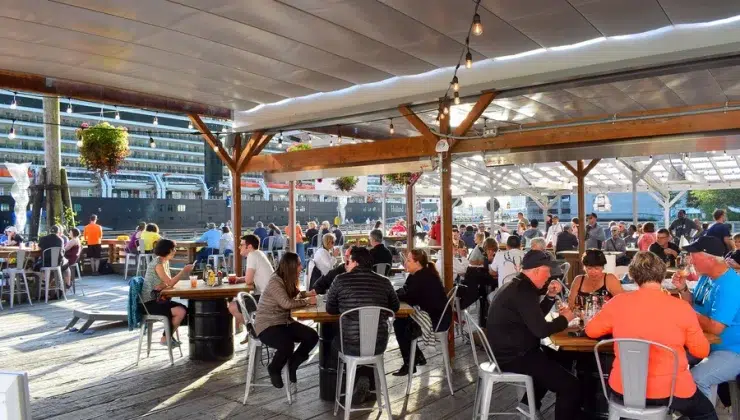
Every decision a restaurant owner makes can have a lasting effect on profitability. While much attention is often placed on menu innovation and service quality, the seating itself can be just as influential. Commercial-grade restaurant booths are more than a place for customers to sit. They are an integral part of the dining experience, shaping how long guests stay, how much they spend, and whether they return.
Upgrading restaurant booths is not just a design choice. It is a business move with the potential to deliver measurable returns. The right seating can improve guest comfort, elevate the atmosphere, and increase a restaurant’s perceived value. This often translates into higher spending, stronger brand recognition, and improved customer loyalty. With careful planning and a focus on quality, booth upgrades can pay for themselves many times over.
How Premium Booths Influence Restaurant Success
A comfortable, well-designed booth invites guests to relax and enjoy their meal without feeling rushed. This can lead to longer visits and increased spending, especially on higher-margin items like desserts and specialty drinks. Seating upgrades also make it easier to balance table turnover with customer satisfaction, helping restaurants serve more guests without making them feel hurried.
Premium designs do more than enhance comfort. They send a clear message about the restaurant’s identity, whether it is upscale, family-friendly, or trend-focused. Guests notice these details, and first impressions often determine whether they return. Studies show that restaurants that invest in modern interiors can see revenue increases of up to 20 percent. By raising the perceived value of the dining experience, upgraded booths encourage customers to spend more and come back often.
Breaking Down the Cost of Quality Seating
The investment in commercial-grade booths goes beyond the purchase price. Material quality, craftsmanship, and customization all affect the total cost. Higher-grade upholstery and frames will cost more initially but can last significantly longer than cheaper alternatives.
Installation is another factor that must be considered. A seating upgrade may require downtime, which means lost revenue during the installation process. Planning the changeover during off-peak periods can reduce disruption. The real savings often come from investing in seating that will last many years without needing replacement. In the long run, replacing low-cost booths every few years can be more expensive than buying premium designs from the start.
Financing options can also help manage the upfront expense, allowing restaurant owners to begin enjoying the benefits of new booths while spreading the cost over time. Choosing the right materials for durability and easy maintenance can further extend the lifespan of the investment.
Turning Seating into a Calculated Return
Understanding how to calculate ROI from booth upgrades is straightforward once the right factors are considered. The basic formula looks at the cost of the investment compared to the increase in revenue it generates over time.
Revenue growth can come from many sources. Comfortable booths encourage guests to return more often, leading to higher retention rates. They can also increase occupancy during busy times, as customers are more likely to choose a restaurant that offers an inviting atmosphere. Additional sales often come from guests lingering longer, which can lead to more drink orders or extra menu items.
Special promotions or themed events can become more appealing in a refreshed dining environment, boosting sales during seasonal peaks. Tracking these patterns allows restaurant owners to predict when the investment will break even and start delivering profits.
The Customer Experience Connection
The way customers feel about their seating environment has a direct effect on their spending habits. When booths are comfortable, guests tend to stay longer, which can increase the average check size. Research also shows that a pleasant seating experience plays a role in customer loyalty, with repeat visitors becoming the foundation of stable revenue.
Upgraded booths can improve online reviews and ratings, helping to attract new guests who value comfort and style. They can also appeal to larger groups, making a restaurant a preferred choice for celebrations or business meetings. Enhanced seating can even help fill tables during slower times, as customers may choose to visit when they know they can enjoy a pleasant and unhurried meal.
Reducing Costs Through Better Booth Design
High-quality booths offer savings that go beyond immediate revenue gains. Durable materials and solid construction reduce the need for repairs and replacements, cutting long-term costs. Upholstery that is easy to clean can save staff time and lower labor expenses.
Well-built booths can also improve restaurant efficiency. By maintaining their structure and appearance, they minimize disruptions that might occur when seating fails or wears out. Space-efficient designs allow for smoother movement of both staff and guests, improving the flow of service. These operational benefits feed directly into the ROI calculation by reducing the hidden costs of upkeep and downtime.
Marketing Benefits of a Seating Upgrade
A refreshed seating area can become a marketing asset. New booths can be featured in advertisements, social media campaigns, and even press releases announcing a refreshed interior. Photo-friendly designs encourage guests to share their dining experiences online, providing valuable free publicity.
Booth styles that reflect a restaurant’s brand identity can become part of the storytelling, helping to create a stronger emotional connection with customers. Restaurants that highlight their seating upgrades in promotions often see a spike in interest, especially if paired with special events or grand reopening celebrations. Unique and visually appealing seating can also attract local media attention, extending the reach of marketing efforts without extra cost.
Maintaining the Value of Your Investment
Once the booths are in place, it is important to keep them in top condition. Regular inspections can help spot wear and tear before it becomes a problem. Coordinating booth upgrades with other interior improvements, such as lighting or décor, can create a unified and impactful look that strengthens the dining experience.
Staff can play a role too. When they seat guests, they can subtly highlight the comfort and style of the booths, reinforcing the investment’s value. Partnering with local influencers to showcase the upgraded dining area can further extend its reach, especially on social media. Tracking key performance indicators, such as table occupancy, average check size, and return visits, ensures that the benefits of the upgrade are measured.
Reinvesting savings from reduced maintenance into further improvements can create a cycle of continuous enhancement, keeping the restaurant competitive for years to come.
Final Insights: The Lasting Payoff of Better Seating
Upgrading to commercial-grade booths is not simply about changing the look of a dining room. It is a business decision with far-reaching effects. Better seating enhances customer comfort, strengthens brand image, and can lead to higher revenue. It also reduces long-term costs by cutting down on maintenance and replacements.
Restaurants that take a strategic approach to seating upgrades often find that the investment pays for itself sooner than expected. By tracking the results and aligning the upgrade with broader brand goals, owners can ensure that the benefits continue well into the future. In an industry where every detail matters, the right booth choice can be as important as the food itself. A thoughtful investment in seating is an investment in customer satisfaction, operational efficiency, and lasting profitability.