Why Terpenes Are the New Caffeine: The Internet’s Latest Obsession With Plant Compounds
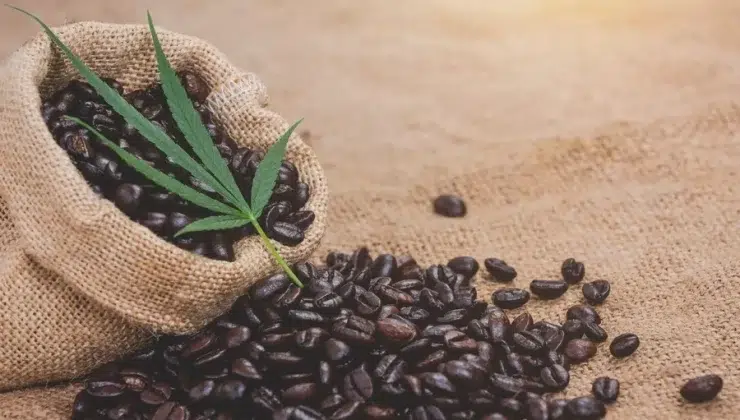
Your morning routine used to be simple. Coffee, scroll through whatever chaos is happening online, pretend you’re ready to deal with the world. Now your feed’s flooded with people obsessing over “limonene for focus” and “myrcene for sleep” like they just discovered the secret to existence.
Welcome to the terpene revolution, where compounds you can’t pronounce are suddenly more popular than energy drinks.
How Plant Smell Molecules Became Internet Famous
Five years ago, mentioning terpenes outside of serious cannabis circles got you blank stares. Now, wellness influencers post detailed breakdowns of their “terpene stacks” next to their morning smoothie pics.
The whole thing started because people figured out that different weed strains hit you totally differently, even when the THC levels are exactly the same. Why? Terpenes. The same compounds that make oranges smell like oranges and lavender smell like lavender.
Once legal weed became a thing, labs started testing everything and putting detailed breakdowns on the labels. Finally, people could match their feelings with actual molecules instead of guessing based on strain names like “Purple Monkey Diesel.”
But here’s where it gets interesting. Terpenes work whether cannabis is involved or not.
Weird fact: Most people consume terpenes daily without realizing it. That energizing smell when you peel an orange? That’s limonene hitting your brain’s reward centers before you even take a bite.
The Science Behind Why Your Brain Responds
Terpenes interact with your body through multiple pathways, not just a single mechanism like caffeine. Some attach to the same receptors that caffeine targets, while others influence how your brain produces neurotransmitters, and many act directly through the sense of smell.
Limonene, which makes citrus smell like citrus, boosts dopamine and serotonin in brain areas that deal with anxiety and depression.
Pinene gives pine trees their distinctive scent. Scientists have a fancy name for what it does: acetylcholinesterase inhibitor. Essentially, it aids memory and mental alertness by supporting a brain chemical called acetylcholine, which is essential for learning.
Caffeine hits one target in your brain (those adenosine receptors). Terpenes interact with multiple systems simultaneously. Creates more complex effects—energy without jitters, relaxation without feeling knocked out, and focus without the inevitable crash.
Why People Are Ditching Their Coffee Addiction
Caffeine’s amazing until it absolutely isn’t. The afternoon crash hits like a brick wall. Too much makes you feel like your heart’s trying to escape your chest. The dependence cycle means mornings become impossible without it.
Terpenes offer different kinds of energy and focus without those downsides. Pinene gives alertness that feels more like clear-headed thinking than being artificially stimulated. People report sustained concentration without that urgent, anxious feeling caffeine creates.
Terpinolene, found in apples and nutmeg, creates what people describe as “energized calm.” Alert but not anxious, focused but still flexible. It’s becoming huge among people who need concentration for creative work instead of grinding through spreadsheets.
Most terpene products you’ll find are either weak or use fake synthetic versions. Cannabis concentrates have the real deal in amounts that actually work. For example, thca dabs for sale keep all the original terpenes from the plant, so you get authentic effects instead of just a placebo. These concentrates come in different forms that preserve terpenes differently. THCA wax and crumble maintain most of the original terpene profile from the source plant, while THCA diamonds offer ultra-high potency with concentrated terpene effects. The key difference from regular cannabis products is that THCA doesn’t get you high until you heat it up. This means you can control when and how those terpenes (and effects) activate. Many of these products contain 5-15% total terpenes, which is significantly higher than what you’ll find in most wellness products.
The combination approach is also gaining significant traction. Small amounts of caffeine, combined with specific terpenes, create effects that neither one achieves alone. Many individuals use cannabis vape cartridges that are formulated to highlight specific terpene profiles alongside measured caffeine content. This pairing allows users to fine-tune their experience based on desired focus, energy, or relaxation levels without relying on a single stimulant alone.
The Terpene Combinations People Use
Morning energy: Pinene plus limonene creates alertness with mood enhancement. Think coffee’s focus combined with lemon’s brightness, but cleaner.
Afternoon focus sessions: Terpinolene gives you sustained concentration without making you feel wired. Good for creative work where you need to think clearly instead of just powering through stuff.
Evening wind-down: Myrcene (mangoes and hops have this) actually makes you sleepy. Helps you shift from work brain to chill mode.
Stress management: Linalool is lavender’s main compound. It lowers cortisol and reduces anxiety. Some studies say it works as well as mild anxiety meds for everyday stress.
Getting Started With Terpenes
Start small. These compounds are more potent than most people realize. Essential oils can actually be too concentrated and cause opposite effects when you use too much.
Write down what you try and how it makes you feel. People react completely differently to terpenes. What gives one person energy might make another person want to nap.
Beyond the Social Media Hype
This whole terpene thing is bigger than just new supplements going viral. People are tired of caffeine being the only option. They want energy without feeling anxious, focus without jitters, relaxation without feeling knocked out.
Legal weed has inadvertently become a massive testing ground for these compounds. Millions of people can now see detailed terpene breakdowns and try specific effects that weren’t possible before.
What’s becoming clear is that plant compounds beyond caffeine deserve serious consideration for anyone interested in optimizing their mental state naturally.