Understanding Crypto Market Volatility: Risks and Opportunities

Cryptocurrency markets have become synonymous with dramatic price swings that create both fortunes and losses overnight.
Understanding this volatility is essential for anyone considering digital asset investments. When you buy cryptocurrency through trusted platforms like MoonPay, understanding market dynamics becomes crucial for making informed decisions.
This guide examines the forces driving crypto market fluctuations and explores how investors can navigate risks and identify opportunities.
The Nature of Cryptocurrency Volatility
Digital currencies experience price movements that dwarf traditional financial markets in both frequency and magnitude. Bitcoin, the largest cryptocurrency, routinely experiences 10-20% price swings within a single week.
These fluctuations create an environment fundamentally different from stocks, bonds, or traditional currencies.
Volatility itself is neither inherently good nor bad but rather a characteristic requiring understanding. Informed investors who comprehend volatility drivers can position themselves advantageously. Those who ignore or misunderstand these dynamics often suffer preventable losses.
The cryptocurrency market operates continuously without the trading halts that regulate traditional exchanges.
This 24/7 nature means price movements occur while investors sleep, work, or remain otherwise unaware. Constant market operation contributes significantly to overall volatility levels.
Knowledge transforms volatility from pure risk into a manageable opportunity. Education before investment protects capital while positioning investors for potential gains.
What Drives Cryptocurrency Price Swings
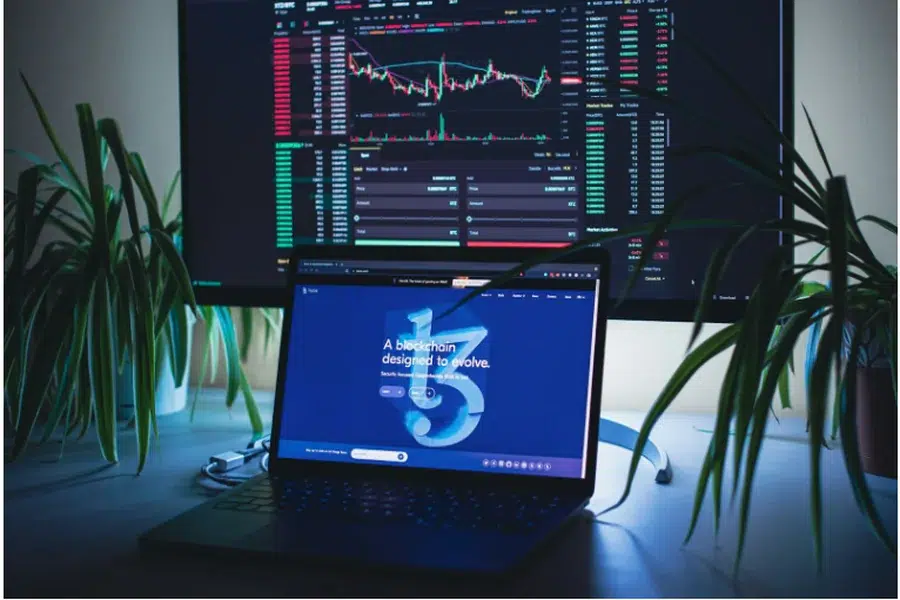
Market sentiment shifts rapidly in cryptocurrency due to concentrated ownership and speculative participation. Large holders, often called “whales,” can move markets significantly through single transactions. This concentration differs markedly from traditional markets where ownership is distributed more broadly.
News events trigger immediate and often exaggerated price responses in crypto markets. Regulatory announcements, exchange hacks, celebrity endorsements, and technological developments all spark rapid repricing. The speed and magnitude of these responses reflect market immaturity and emotional trading patterns.
Liquidity limitations amplify price movements when large orders execute against thin order books. Smaller cryptocurrencies particularly suffer from liquidity constraints magnifying volatility. Even Bitcoin experiences liquidity-driven volatility during off-peak trading hours.
Leverage and derivatives trading multiply underlying volatility through forced liquidations and cascading effects. Traders using borrowed funds face automatic position closures when prices move against them. These liquidations create selling pressure that accelerates price declines.
Understanding the Risks
Capital loss represents the most obvious risk in volatile markets. Investments can lose 50% or more of value within days during severe downturns. This potential for rapid, substantial losses distinguishes crypto from most traditional investments.
Emotional decision-making under volatility pressure leads many investors to buy high and sell low. Fear during price drops triggers panic selling while greed during rallies encourages buying at peaks. These psychological traps capture even experienced investors during extreme market conditions.
Timing risks challenge investors attempting to enter or exit positions advantageously. Predicting short-term price movements proves nearly impossible even for professional traders. Most timing attempts result in worse outcomes than simple long-term holding strategies.
Opportunity cost affects investors who allocate excessively to volatile assets. Capital locked in declining crypto positions cannot pursue other opportunities. Portfolio concentration in volatile assets amplifies overall financial risk.
Exchange and custody risks compound market volatility concerns. Platform failures, hacks, and fraud have caused billions in investor losses historically. These operational risks add to market risks, creating multiple threat vectors.
Identifying Opportunities Within Volatility
Price dislocations during panic selling create buying opportunities for prepared investors. Quality assets trading at discounts to intrinsic value reward patient capital. Maintaining cash reserves enables capitalizing on these periodic opportunities.
Dollar-cost averaging transforms volatility from enemy to ally by purchasing consistently regardless of prices. This mechanical approach automatically buys more units when prices drop and fewer when prices rise. Long-term dollar-cost averaging has historically produced favorable average entry prices.
Staking and yield opportunities provide returns independent of short-term price movements. Earning additional tokens through participation in network validation or lending protocols compounds holdings over time. These income streams partially offset volatility-driven portfolio fluctuations.
Volatility itself creates trading opportunities for those with appropriate skills and risk tolerance. Price swings between support and resistance levels enable profitable short-term trading. However, most retail traders lose money attempting these strategies.
Portfolio rebalancing during volatile periods maintains target allocations while systematically buying low and selling high. Disciplined rebalancing removes emotion from investment decisions. This approach captures volatility benefits within structured risk management frameworks.
Risk Management Strategies
Position sizing limits exposure to any single volatile asset appropriately. Most financial advisors suggest limiting crypto allocation to 5-10% of investment portfolios. This constraint prevents catastrophic portfolio damage from severe crypto declines.
Stop-loss orders automatically exit positions when prices breach predetermined levels. These mechanical tools remove emotional decision-making during rapid price drops. However, volatile markets can trigger stop losses before subsequent recoveries occur.
Diversification across multiple cryptocurrencies reduces single-asset risk exposure. Different tokens respond differently to various market conditions and news events. Spreading investments across several quality projects provides some volatility dampening.
Time horizon alignment matches investment approaches to personal circumstances. Long-term investors can weather volatility better than those needing near-term liquidity. Understanding your timeline guides appropriate risk tolerance and strategy selection.
Cold storage and security practices protect assets from exchange risks, compounding market risks. Hardware wallets and secure custody arrangements prevent theft and platform failure losses. Robust security measures should accompany any cryptocurrency investment.
Market Maturation and Volatility Trends
Institutional participation has gradually reduced volatility compared to earlier crypto market cycles. Professional investors bring longer time horizons and larger capital pools, dampening extreme movements. This maturation process continues as adoption expands globally.
Regulatory clarity reduces uncertainty-driven volatility as rules become established and predictable. Clear frameworks enable confident participation from risk-averse investors and institutions. Ongoing regulatory development worldwide gradually stabilizes market conditions.
Derivatives markets enable hedging strategies unavailable during earlier volatile periods. Options and futures allow sophisticated investors to manage downside risk while maintaining upside exposure. These tools contribute to overall market stability over time.
Infrastructure improvements including faster settlement, better custody solutions, and improved exchange technology reduce operational volatility sources. Market plumbing enhancements enable smoother price discovery and execution. Continued infrastructure investment supports further volatility reduction.
Psychological Preparation for Volatile Markets
Mental preparation before investing prevents emotional reactions during inevitable turbulence. Visualizing significant portfolio declines and your intended response builds psychological resilience. Investors who anticipate volatility handle it better than those caught unprepared.
Investment thesis documentation provides anchors during emotional market periods. Written reasons for investments remind investors why they bought during panic-inducing declines. Reviewing original analysis counterbalances fear-driven impulses to sell.
Information diet management reduces anxiety from constant price monitoring and news consumption. Checking portfolios less frequently during volatile periods improves emotional well-being and decision quality. Excessive attention to short-term movements rarely improves outcomes.
Community and support networks help investors maintain perspective during challenging market conditions. Connecting with like-minded long-term investors provides emotional support and rational viewpoints. Isolation during market stress often leads to poor decisions.
Building a Volatility-Aware Strategy
Clear investment goals guide strategy development, matching approaches to personal objectives. Growth-focused investors tolerate more volatility than those prioritizing capital preservation. Honest self-assessment about goals and risk tolerance prevents strategy mismatches.
Regular strategy review ensures approaches remain appropriate as circumstances change. Life events, market conditions, and personal risk tolerance all evolve. Periodic reassessment maintains alignment between strategies and current situations.
Education investment continues throughout crypto market participation. Understanding improves over time through study, experience, and reflection. Growing knowledge enhances opportunity identification while improving risk management.
Exit strategy planning defines conditions triggering partial or complete position sales. Predetermined exit criteria remove emotional decision-making when taking profits or cutting losses. Clear plans execute more reliably than improvised responses to market movements.
Conclusion
Cryptocurrency volatility presents both significant risks and compelling opportunities for prepared investors.
Understanding the forces driving price swings enables informed decision-making that transforms volatility from pure threat into a manageable characteristic.
Those who approach volatile markets with education, strategy, and emotional preparation position themselves for long-term success.
Success in volatile markets requires patience, discipline, and continuous learning rather than prediction abilities or perfect timing.
Accepting volatility as inherent to cryptocurrency investing enables realistic expectations and appropriate strategies. With proper preparation and risk management, investors can navigate crypto market turbulence while capturing opportunities that volatility creates for those ready to seize them.