The Responsible Guide: 10 Expert-Backed Habits For Responsible Gaming

It takes conscious effort and continuous dedication to make sure you are always doing the right thing, especially if you think about the impact of gambling on people’s behaviour. Responsible gambling is not about removing the fun or about applying strict rules to fade away the enjoyment. It’s about helping bettors navigate their play more confidently and nurturing a safer digital environment for every gambling enthusiast. To help them out, we have developed a 10-point checklist, grounded in evidence-based practices and supported by the New Zealand Health Promotion Agency.
1. Set A Weekly Gambling Budget And Stick To It
According to the HPA, gamblers who set unlimited budgets for their upcoming session end up spending way more money than anticipated, leading to an overall higher-risk environment with a permanent impact on their psychological state. However, if you think one step ahead and determine your weekly maximum spending limit, the chances for you to chase losses or go over your head with your spending will diminish.
Why are people spending everything they have even if they are aware of how casino house edges work? Well, it is because we unconsciously set some limits for ourselves without even realising it. If you enter the casino with $500 and you lose $400 in the first 10 minutes, you are left with nothing but frustration. You will most likely end up spending the other $100 because you might get lucky and recover what you have lost. This process is called “chasing losses”.
However, if you set a spending limit of $200, you will create a psychological barrier that will instantly remind you of your intentions. It is very hard for a normal individual to remain perfectly awake with so much dopamine and serotonin going through his brain while betting. Some of them do not even realise when the time passes.
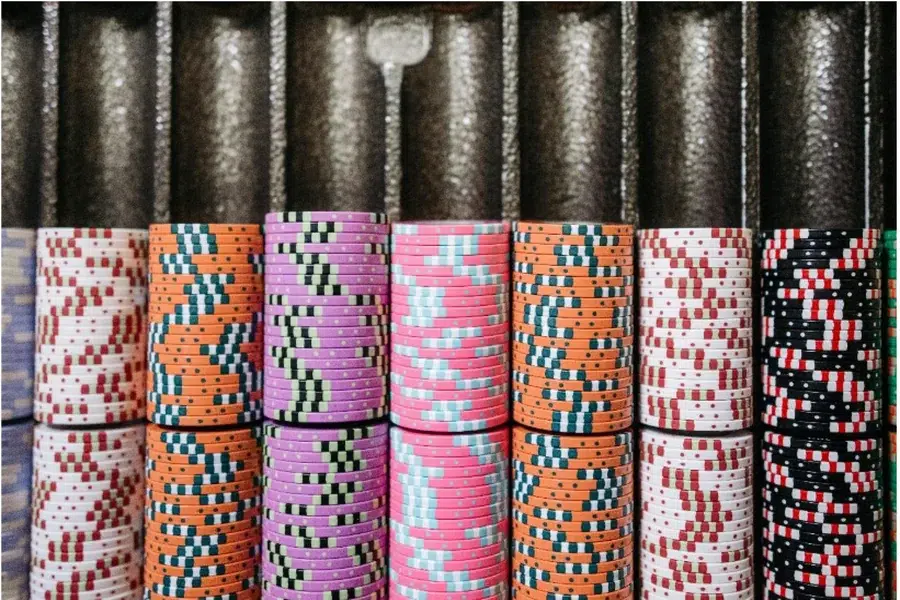
Why it matters: Fixed budgets create a safety net between your entertainment and essential life expenses.
2. Use Deposit Limits
Since modern online platforms regulated in New Zealand must offer tools to limits deposits or bets, you should make use of them to increase the overall safety of your session and decisions. You see, people tend to lose control over their own logical sense and emotions. Setting some deposit limits will set some assurances from the beginning and you will not be tempted to deposit more money in case of loss.
Why it matters: Its a form of built-in control to help enforce your personal rules. Placing bets is a highly-emotional moment that can oftenly lead to lack of judgement.
3. Set Session Timers or Reminders
Casino games and the way they are built will rapidly immerse you in a complete digital universe. Your brain releasing dopamine and serotonin will induce you into a state of complete pleasure, making it very hard for you to even remember that you are on the clock. The “The Effects of Pop-up Harm Minimisation Messages on Electronic Gaming Machine Gambling Behaviour in New Zealand” study and recent responsible gambling insights show that pop-up messages might help in the minimisation of harm in the context of digital gaming or online gambling.
Why it matters: Time flies when you enjoy what you are doing. Setting or having automated reminders brings your focus back before you end up actively running in a betting marathon.
4. Take Regular Breaks
I encourage you to take as many breaks as possible, especially after losses. Short breaks not only help your body regain its balance, but a few moments of clarity might be enough for you to get back to your senses and realise if you actually need to put an end to your session or not.
Short breaks are a core component of safe gambling toolkits recommended by Betbrain and its responsible gambling guide, but also by New Zealand health authorities.
Why it matters: Each short break gives you enough mental space to cool off and reflect, rather than going into a loss-chasing mode.
5. Gambling Is Not Your Escape
Gambling or betting in general should be fun and entertaining activities, but you should not consider them to be your escape from stress or use them for emotional relief. You see, there is a strong link between the effects of betting on your mood and how harmful your behavior can be if you do not control your emotions.
One of the most obvious signs of addiction is your immediate desire to bet as a response to strong emotions like sadness or grief. If you consider gambling to be the solutions to your emotional problems, reconsider it.
Why it matters: It is just an illusion. If you gamble to escape your problems, you expose yourself to more problematic patterns without realising it.
6. Keep A Personal Betting Journal
Responsible gambling becomes a thing when you do it on your own, and transform it into a good habit. Keeping track of your own bets and sessions is a healthy way of self-reflection. You have to monitor yourself and trust me; it will have a huge impact when seeing all the losses from the past twenty or thirty weeks. You can do it digitally or handwritten; it doesn’t matter. Just do it to see how aware you become of your own financial situation.
Why it matters: There will always be something you do not see about your gambling behaviour. Tracking everything will eventually reveal some patterns and clearly show you when betting turns into a risky decision.
7. Avoid Gambling When Under The Influence of Alcohol or Drugs
The act of gambling is strongly discouraged under the influence of substances. Combining the two leads to impulsive betting decisions, higher losses, and a poor capacity of deciding what is best for you in a certain moment or context.
In New Zealand, 4 out of five adults use alcohol, while 1 out of 4 have a problem with alcohol use. The government is actively trying to reduce these numbers, so you can very much understand why we have to add this mention as well.
If you ever need any help regarding alcohol or drug use, call the Alcohol/Drug Helpline at 0800 787 797
7. Activate Reality Checks and Time-Sensitive Popups
Complete immersion leads to the loss of time-tracking, money spending, and good decision-making skills. Reality checks are vital, especially for those who find gambling to be so appealing and fascinating.
Why it matters: It is crucial for any person engaged in betting activities to realise that in mid-session, a reminder can reconnect you to reality and help you realise that you were caught in automatic behaviour for the last couple of minutes.
8. Talk Openly About Your Gambling Problem
Normalising dialogue and conversations around gambling would be a huge step for any country in the world. People that suffer from this type of addiction tend to hide it or find excuses to cover their behaviours. We encourage you to talk to your close friends or family members and signal if something is wrong.
Why it matters: People tend to help each other and you would be surprised how open they are when it comes to prevent problems from escalating. Ask for help and you will most likely receive it.
9. Know Where To Get Help
Even if you do not have a gambling problem, knowing what the institutions that can help are is huge and it will make a difference. For example, New Zealand offers free, confidential support through services like Gambling Helpline NZ. Recognising early signs and accessing these resources is part of responsible self-care and prevention.
Why it matters: It matters because receiving early help is the best type of help you can get or offer to somebody. Do not wait until you hit rock bottom before you can talk to someone, and be there for your friends if they need someone to talk to.
Ending With An Expert Insight
We designed this checklist not only for individuals who fear addiction but for anyone who wants to ensure gambling stays fun and they can enjoy it for as long as they want. Humans can develop all kinds of addiction problems, and we should do our best to prevent it from happening.