The Invisible Economy Behind Competitive Gaming
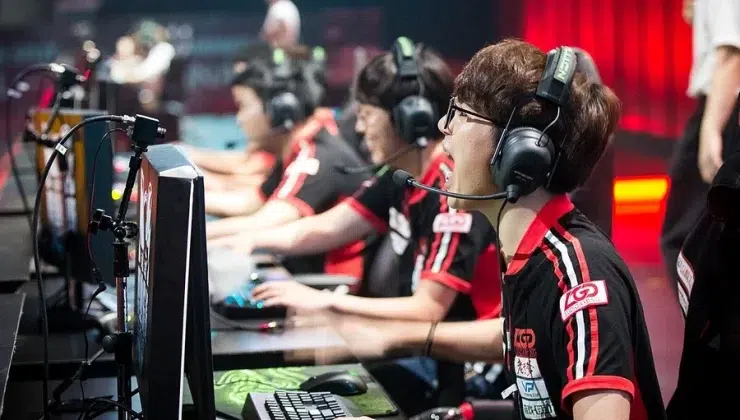
In recent years, competitive gaming has exploded into the mainstream. What was once a niche hobby has become a billion-dollar industry with sold-out arenas, global livestreams, and elite players treated like celebrities. But behind the flashing lights and high-stakes tournaments lies a lesser-known layer of this phenomenon—one that rarely makes headlines but plays a vital role in keeping the entire ecosystem running: the invisible economy of eSports.
This hidden financial network includes platforms, services, and revenue streams that don’t get the same visibility as sponsorships or prize pools, but are nonetheless essential to the industry’s survival and growth. From advertising algorithms that monetize attention to virtual skin marketplaces and live-stream donations, these mechanisms shape how content is produced, distributed, and monetized.
Among the most influential—but often overlooked—players in this economy are eSports-specific bookies. These platforms, designed exclusively for betting on competitive games, serve not just as entertainment outlets, but as powerful engines of liquidity and audience engagement. While their presence might not always be front and center, their financial impact runs deep, influencing everything from tournament dynamics to team funding. This article explores how these hidden forces collectively sustain the spectacle we call eSports.
What Fuels the Competitive eSports Engine?
The growth of eSports as a global entertainment force is powered by a complex network of revenue sources, both visible and hidden. At the forefront are the most recognizable streams: sponsorship deals, tournament prize pools, and branded partnerships. Major brands—from tech giants to energy drink companies—invest heavily in eSports, funding events, team gear, and promotional content. Prize money, while a high-profile component, often serves more as a symbol of prestige than a sustainable income source for most teams and players.
Beyond these direct channels, the industry also depends on a range of indirect financial inflows. Livestreaming platforms like Twitch and YouTube Gaming contribute substantial value, not only through ad revenue, but also through fan donations and paid subscriptions. Affiliate programs—whether for gaming gear, in-game items, or software—further diversify income, especially for individual streamers and smaller teams.
A particularly significant, though less publicly discussed, contributor is the rise of eSports-specific bookies. These platforms allow fans to place bets on specific match outcomes, player performances, or even in-game events, creating a new layer of audience engagement. Unlike traditional gambling platforms, these bookies are tailored specifically to the pace, format, and community norms of eSports. They often drive traffic to matches, increase viewership, and generate liquidity that flows back into the ecosystem through sponsorship deals and partnerships.
Some teams and leagues depend on these types of income without anybody even knowing it. In particular, mid-tier organizations often become financially stable by partnering with niche platforms and sports betting brands, rather than depending on big sponsors. Thus, the growth of eSports earnings comes from brands visible to the public, as well as many unseen methods that viewer rarely recognize.
Stakeholders You Don’t See
Even though players, teams, and organizers grab the most attention in eSports, a lot of what happens in the background is also guided by many hidden stakeholders. You’ll often find in the world of sports books and services for data analysis and collection—all critical components for the industry’s health and workings, but usually not seen by most spectators.
eSports-specific bookies are a prime example. These platforms don’t merely replicate traditional sports betting models; they actively adapt to the distinct rhythms of digital competition. With rapid-fire matches, new game formats, and constantly evolving rule sets, eSports betting demands agility. These bookies now integrate directly with Twitch streams, Discord servers, and even tournament APIs to deliver real-time betting options tailored to the unique dynamics of each title—whether it’s a CS:GO clutch round or a League of Legends dragon fight. This seamless integration turns passive viewership into active participation, sustaining engagement and extending the life cycle of content.
As well as this, there are organizations that focus on providing eSports analytics and modelling resources. They gather huge amounts of data on people’s performance, such as their kill-death ratio and the gold earned per minute, and apply machine learning to give both predictions and odds. It powers sports betting along with influencing team strategies, player selection for clubs, and data for experts and commentators.
The relationship is symbiotic: the more accurate the data, the more compelling and confident the bets become. Higher betting volume leads to more robust platforms, which in turn attract sponsors and drive funding into the ecosystem. In some cases, betting partnerships even provide direct financial support to teams or leagues in exchange for access to exclusive data or branding opportunities.
In essence, these stakeholders may operate in the background, but their presence is deeply felt. They shape the economic flow, influence tournament design, and help define how the eSports experience is packaged and consumed—making them indispensable architects of the digital arena.
The Paradox of Visibility: Who Gets Credit?
In the vibrant world of competitive gaming, visibility often equates to influence. Big-name streamers, celebrity players, and corporate sponsors dominate the public narrative, appearing on jerseys, social media feeds, and official broadcasts. These are the faces of eSports—the ones fans cheer for and brands celebrate. Yet, beneath this spotlight lies an economic engine composed of entities that rarely receive public acknowledgment despite playing an outsized role in keeping the ecosystem afloat.
eSports-specific bookies fall squarely into this category. Despite being key players in driving viewership, sustaining tournament funding, and injecting liquidity into the scene, they’re largely absent from mainstream discussions. The reasons are complex: cultural discomfort around gambling, inconsistent regulations, and the industry’s desire to appear family-friendly often lead to a deliberate avoidance of the topic, even though these platforms are deeply embedded in the structure of modern eSports.
This invisibility creates a paradox. While bookies and other background stakeholders shape match interest, support team partnerships, and fund data infrastructure, they remain uncredited in most public-facing narratives. Their legitimacy is often questioned, not because of their impact, but because of their low profile and controversial associations.
This raises a broader question: can an industry claim to be fully transparent or self-sustaining if its key financial contributors remain behind closed doors? By sidelining these actors in public discourse, eSports risks creating a cultural blind spot—where viewers see only the entertainment surface while remaining unaware of the economic machinery driving it. A mature ecosystem must reconcile this imbalance, acknowledging all participants, including eSports-specific bookies, in order to promote a more honest and sustainable future for the industry.
Conclusion
The competitive eSports scene may appear to be all about dazzling gameplay, charismatic personalities, and high-stakes tournaments—but behind the spectacle lies a deeply interconnected financial network that keeps everything running. This invisible economy, composed of sponsors, platforms, analytics engines, and particularly eSports-specific bookies, plays a fundamental role in shaping the structure and sustainability of the industry.
Recognizing these hidden contributors is essential for anyone seeking to understand how eSports truly operates. While they may not be part of the spotlight, their influence is far-reaching—driving engagement, funding infrastructure, and enabling new layers of interaction.
As the industry continues to grow, it’s time to have an open conversation about ethics, transparency, and the balance between public-facing entertainment and the forces that quietly power it. Embracing this complexity can lead to a more honest, inclusive, and sustainable future for competitive gaming—one where every stakeholder, visible or not, is part of the story.