The Future of Gaming Professions: From Developers to Virtual Architects
The gaming industry has transformed dramatically over the past two decades, evolving from a niche hobby into a global economic powerhouse generating billions in revenue annually. This rapid growth has created an ever-expanding ecosystem of career opportunities, attracting individuals with diverse skills and interests. Traditional roles such as developers and designers remain the backbone of the industry, but new positions are emerging in response to advances in technology, virtual reality, and the rise of esports. From AI specialists to virtual architects, the future of gaming professions promises a rich diversity of paths for those with creativity, technical aptitude, and a passion for interactive entertainment. As the boundaries between digital and physical realities blur, the industry continues to redefine what it means to build, play, and engage in virtual spaces.
The evolution of traditional roles in gaming
Game development has always relied on skilled programmers, designers, and artists, but the demands on these professionals have increased exponentially. Modern developers must now understand not only coding but also advanced game engines, cloud computing, and machine learning integration. For instance, studios working with Unreal Engine 5 or Unity often create highly detailed simulations that require developers to collaborate closely with AI experts and data scientists. Designers are no longer limited to creating levels or game mechanics—they must map out intricate player journeys, balancing engagement, challenge, and narrative progression.
Artists and animators face equally high standards, producing cinematic-quality visuals and realistic motion capture sequences that rival blockbuster films. Character rigging, dynamic lighting, and physics-based animation are now standard expectations in AAA titles, demanding a sophisticated understanding of both art and technology. Sound designers create immersive audio experiences, from environmental ambiance to 3D spatial sound, further deepening player engagement. As gaming continues to evolve, professionals in these traditional roles must continually update their skill sets, demonstrating adaptability alongside creativity to remain relevant in an industry that never stands still.
The rise of esports and analytical professions
The expansion of competitive gaming has opened entirely new career avenues, with esports emerging as a multi-billion-dollar industry. Professional teams now function like traditional sports franchises, employing coaches, analysts, social media managers, and marketing specialists. Analysts play a crucial role, studying player behavior, team strategies, and in-game data to provide actionable insights. Advanced software tools track metrics such as kill-to-death ratios, objective control, and timing efficiency, allowing teams to optimize performance with scientific precision.
This analytical framework is mirrored in the way audiences consume esports. Millions of fans track live events, following statistics and outcomes with real-time precision. For example, enthusiasts monitoring lol live scores rely on live updates to stay informed about team standings, player stats, and match dynamics. The growth of esports has created additional roles such as casters, shoutcasters, content creators, and tournament organizers, all of which require a blend of communication skills, game knowledge, and technical expertise. Collectively, these positions illustrate how esports has turned gaming into a professional and globally recognized industry, where strategic insight and media literacy are as valuable as in-game skill.
New frontiers: virtual architects and metaverse designers
Perhaps the most transformative evolution in gaming professions is the emergence of virtual architects. Unlike traditional level designers, these professionals construct expansive digital worlds that serve as social hubs, immersive experiences, or functional digital infrastructures. Their work spans virtual reality, augmented reality, and the metaverse, integrating design principles with advanced programming, spatial reasoning, and user experience optimization. Virtual architects collaborate with urban planners, UX experts, and AI engineers to create environments where millions of users can interact, explore, and even conduct commerce.
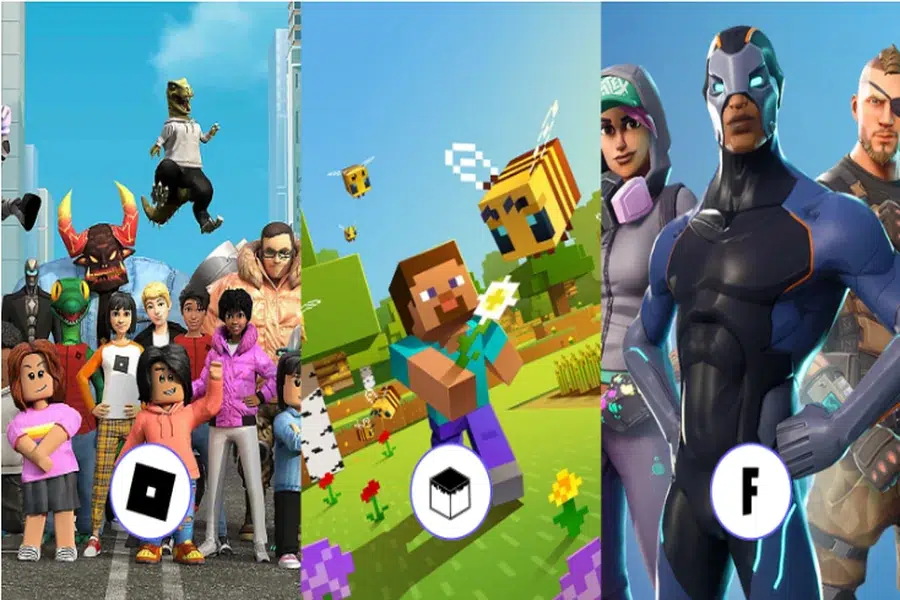
Platforms like Roblox, Fortnite Creative, and Meta’s Horizon Worlds showcase the potential of user-generated content, where virtual architects not only design engaging spaces but also influence digital economies. Players can purchase virtual property, trade unique items, and even run businesses, making these environments simultaneously creative and transactional. AI-driven tools allow architects to dynamically adapt environments based on player behavior, generating responsive worlds that evolve in real time. As education, entertainment, and remote collaboration increasingly converge within digital spaces, virtual architects are poised to become central figures in shaping the future of interactive human experiences.
Beyond the screen: careers in community, narrative, and ethics
Modern gaming professions extend well beyond technical development. Community managers and social media strategists play pivotal roles in fostering player engagement, maintaining communication, and curating experiences that encourage positive interactions. With millions of active players worldwide, sustaining vibrant, respectful communities has become a critical component of a game’s success. Professionals in these roles must combine creativity, communication, and analytical skills to understand audience trends, address conflicts, and promote inclusivity.
Narrative designers are increasingly central to the gaming experience. They craft stories, dialogue, and lore that enhance immersion, ensuring continuity across multiple expansions or interconnected games. Unlike traditional writers, narrative designers integrate storytelling directly into gameplay mechanics, creating scenarios where player choice carries tangible consequences. These professionals often collaborate with developers and artists to balance narrative coherence with interactivity, producing experiences where every decision feels meaningful.
Ethical considerations are another emerging domain within the industry. Game ethicists, compliance specialists, and policy advisors evaluate inclusivity, representation, and monetization practices. They ensure games are culturally sensitive, minimize addictive mechanics, and promote responsible play. Academic institutions now offer degrees and training in game design, esports management, and VR development, preparing the next generation for careers that are increasingly specialized and interdisciplinary.
Conclusion
The future of gaming professions reflects the industry’s rapid innovation, growing economic importance, and cultural influence. While developers, artists, and designers remain indispensable, new roles such as esports analysts, virtual architects, narrative designers, and game ethicists are redefining what it means to work in this field. These positions require a blend of technical skill, creativity, analytical thinking, and ethical awareness, illustrating that careers in gaming are no longer confined to programming or playtesting.
As gaming technology evolves, so too will the careers it supports. Virtual reality, AI-driven environments, and the metaverse will create opportunities for professionals to shape immersive, interactive experiences that extend beyond traditional screens. For those who embrace innovation, the gaming industry offers unprecedented potential to combine passion, skill, and creativity into rewarding careers. From designing digital worlds to analyzing live tournaments, the possibilities are limited only by imagination, signaling a future where gaming professions are more diverse, influential, and impactful than ever before.