Technologies That Keep Online Payment Information Secure
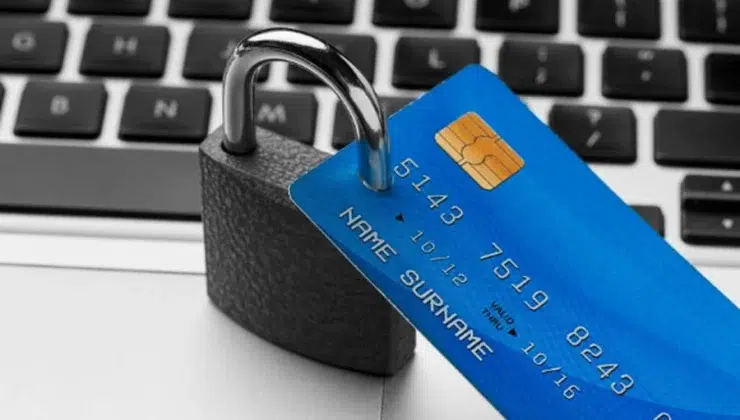
Online payments have become so normal that most people barely think about them. We order groceries, renew subscriptions, buy tickets, or send money across the world without ever touching cash. But none of that ease exists without one essential ingredient: trust. People share highly sensitive financial details online every day, and they only do it because they believe those details will stay safe. If that trust disappears, the convenience of digital transactions disappears.
What keeps that trust in place is a complex network of technologies working silently in the background. Encryption, tokenisation, multi-factor authentication, blockchain, and AI-powered fraud detection all work together to keep payment data protected and out of reach of cybercriminals. Whether it’s a retail site, a banking app, a streaming platform, or a gaming service, these technologies now form the standard toolkit for securing online transactions.
Encryption: The First Line of Defence
The foundation of almost all online security is encryption. It is the process of scrambling sensitive information into unreadable code while it travels between a user’s device and a website’s server. Without the correct decryption keys, that data is useless even if it is intercepted.
TLS (Transport Layer Security) is the most widely used protocol today. It creates a secure tunnel for data to pass through, and you have probably seen evidence of it without realising it. The padlock symbol next to a website URL means TLS encryption is active. Whether entering card details or logging in to a banking app, TLS works behind the scenes to keep that connection secure.
A case in point would be online casinos, where robust encryption safeguards both players’ financial data and account information. These platforms host thousands of games, process fast payouts, and offer generous bonuses, all supported by the same encryption standards used by banks and payment processors (source: https://www.coincasino.com/).
The same applies to online shopping platforms and streaming services, which depend on encryption to safeguard payment data, personal profiles, and viewing preferences. Across gaming, streaming, and e-commerce, encryption remains the invisible layer of protection that keeps users safe while keeping every experience smooth and private.
Tokenisation: Replacing Real Data With Secure Alternatives
Encryption is one of the most important security measures businesses implement to protect data in motion, whereas tokenisation safeguards data at rest. Instead of storing real payment information, platforms replace it with randomly generated “tokens.” These tokens can complete transactions but reveal nothing about the original data if stolen.
If an attacker breaks into a database, the tokens they find are worthless without the secure mapping that links them back to real card details. Apple Pay, Google Pay, PayPal, and many major online marketplaces rely on tokenisation to make repeat payments simple without ever storing the sensitive information themselves.
Even large-scale payment processors use tokenisation to minimise liability and meet strict compliance standards. The fewer places real payment data exists, the smaller the target for cybercriminals.
Multi-Factor Authentication and Biometrics
Even the strongest encryption and tokenisation systems cannot fully protect a user account if login details are stolen, which is why verification remains vital. Multi-factor authentication strengthens security by requiring more than just a password, often involving a one-time code sent to another device or a biometric check such as a fingerprint or facial scan.
This extra layer makes it far more difficult for attackers to break in, even if they have a user’s login details. Many banks, e-commerce sites, and streaming platforms now require MFA for transactions or account changes, and the use of biometrics is growing as devices become more sophisticated. Features like Face ID or fingerprint sensors are not just convenient; they’re much harder to fake or steal.
Blockchain and Decentralised Security
Blockchain technology adds another powerful layer to cybersecurity by decentralizing transaction records. Instead of storing all payment data in a single database, blockchain distributes it across a network of nodes. Each block is cryptographically linked to the previous one, and once recorded, it’s almost impossible to alter without the entire network’s agreement.
This decentralised structure eliminates single points of failure, making tampering much harder. It also increases transparency by allowing every transaction to be verified on the chain without exposing personal information. Because of these advantages, blockchain is no longer confined to cryptocurrency platforms; it’s now widely used by fintech companies, logistics providers, and supply-chain networks to secure and verify payments and records.
AI and Real-Time Fraud Detection
Payment security doesn’t end once data is encrypted or verified. Fraudsters continually look for new ways to exploit systems, and that’s where artificial intelligence has become a critical line of defence. AI systems analyse patterns in transaction data, learn from user behaviour, and flag anything that doesn’t fit.
If a sudden attempt is made to log in from another country or a transaction deviates from a user’s normal spending habits, AI can halt it instantly or request further verification. These systems don’t just react to threats; they predict them, adapting as new attack methods emerge.
Major banks, payment services, and e-commerce platforms already use machine learning extensively to detect fraud, resulting in a defense system that constantly evolves and improves in accuracy.
Layered Security: Stronger Together
None of these technologies works in isolation. True payment security relies on layers. Encryption protects the data while it’s travelling. Tokenisation keeps databases secure. Multi-factor authentication ensures that only the right person gains access. Blockchain removes single points of failure, and AI constantly monitors everything for signs of risk.
Together, these systems create a web of protection that’s incredibly difficult to penetrate. Even if one layer is breached, others stand in the way. This layered approach is why online payments have become so seamless and trustworthy.
The Future of Secure Payments
The technologies that protect payment information are still evolving. Biometric verification is becoming more advanced, AI technology is moving forward quickly, and blockchain is now used far beyond cryptocurrency. Quantum-resistant encryption is being created to prepare for a future where quantum computing could weaken today’s security systems.
As online transactions continue to grow in volume and importance, the pressure to innovate will only increase. The platforms most likely to succeed will be those that stay ahead of attackers by combining trusted technologies with advanced new defences.
Digital transactions shape everything, and strong payment security is essential. It is the foundation that keeps the entire system running. Whether you’re checking out on a retail site, paying for a subscription, or using an online gaming platform, these technologies make sure sensitive information stays private, transactions remain trustworthy, and users can engage with confidence.