Alternatives to Polyester You Can Trust: Sustainable Fabrics for a Better Future
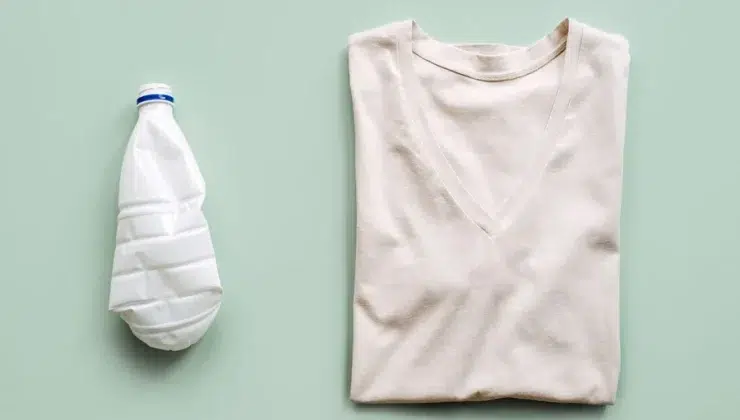
In recent years, sustainability has become a central focus of the fashion industry. As more consumers seek eco-friendly and sustainable options, the push to find alternatives to polyester—one of the most widely used synthetic fibers—has grown exponentially. Polyester, made from petroleum-based resources, has a significant environmental footprint due to its production process and its persistence in landfills. While polyester offers durability and versatility, its environmental impact, coupled with its inability to biodegrade, makes it an unsustainable choice for the long term.
Fortunately, the rise of sustainable fabrics offers a wealth of eco-friendly alternatives to polyester. These materials are made from renewable resources, are biodegradable, or use less harmful production methods. In this article, we will explore the best alternatives to polyester, providing a detailed look at their benefits and how they compare in terms of environmental sustainability, durability, and comfort. The latest in Celebrity Fashion to stay ahead of trends.
Organic Cotton: A Natural Alternative to Polyester
Organic cotton is one of the most well-known alternatives to polyester, offering a natural, breathable fabric that is gentle on both the skin and the planet. Unlike conventional cotton, which relies on synthetic chemicals, organic cotton is grown without the use of pesticides, synthetic fertilizers, or genetically modified seeds. It is an excellent choice for anyone looking for an eco-friendly option for everyday wear.
Why Organic Cotton Is a Great Alternative to Polyester:
- Reduced Environmental Impact: Organic cotton farming is less resource-intensive than conventional cotton farming, requiring fewer chemicals and significantly less water.
- Breathability and Comfort: Organic cotton is a natural fiber, making it highly breathable and comfortable to wear, especially in warm weather.
- Biodegradable: As a plant-based fiber, organic cotton is fully biodegradable, meaning it won’t contribute to long-term waste in landfills.
- Durability: Organic cotton is often stronger and longer-lasting than regular cotton, ensuring that garments made from organic cotton retain their quality for longer.
From t-shirts to jeans, organic cotton provides a sustainable alternative to polyester without compromising on comfort or style. It is one of the most trusted and widely available sustainable fabrics in the market.
Hemp: A Robust and Eco-Friendly Fabric
Hemp is another natural alternative to polyester that is gaining popularity due to its strength, versatility, and eco-friendly production process. Hemp has been used for thousands of years to make textiles, and it is now seeing a resurgence in the sustainable fashion world.
Why Hemp Is a Strong Polyester Alternative:
- Water-Efficient: Hemp requires much less water to grow compared to cotton, making it an excellent choice for water-scarce regions.
- Low Environmental Impact: Hemp farming doesn’t require pesticides or herbicides, making it a far more eco-friendly crop than conventional cotton or polyester.
- Durability: Hemp fibers are incredibly strong and durable, resulting in long-lasting fabrics that can withstand wear and tear.
- Breathable and Comfortable: Despite its strength, hemp fabric is breathable, moisture-wicking, and perfect for warm weather.
- Biodegradable: Hemp is 100% biodegradable, making it an environmentally responsible option that won’t contribute to landfill waste.
Hemp fabric can be used for a wide range of products, including denim, jackets, bags, and shirts, offering a long-lasting, eco-friendly option for everyday wear.
Tencel (Lyocell): A Sustainable Cellulose-Based Fabric
Tencel, also known as Lyocell, is a sustainable fabric made from wood pulp, typically sourced from eucalyptus, beech, or spruce trees. Produced using an environmentally responsible process, Tencel has quickly become one of the most eco-friendly fabric choices in the fashion industry. The closed-loop production process recycles water and solvents, minimizing waste and reducing environmental harm.
Why Tencel Is a Superior Alternative to Polyester:
- Eco-Friendly Production: Tencel is produced using a closed-loop process, meaning that the chemicals and water used in its production are recycled and reused, reducing pollution.
- Softness and Comfort: Tencel is known for its luxurious, silky texture, making it a highly comfortable fabric to wear, particularly in warmer weather.
- Moisture-Wicking and Breathable: Tencel is highly breathable and moisture-wicking, ensuring that you stay cool and dry throughout the day.
- Sustainability: The wood used to make Tencel is sourced from sustainably managed forests, and the production process uses fewer resources and produces fewer greenhouse gas emissions than polyester manufacturing.
- Biodegradable: Tencel is completely biodegradable, ensuring that it won’t contribute to environmental waste at the end of its life cycle.
Tencel is a versatile fabric that can be used for a wide range of clothing items, including blouses, dresses, activewear, and underwear. Its softness and sustainable production process make it a highly desirable alternative to polyester.
Recycled Polyester: A Step Toward Sustainability
While polyester itself is derived from petroleum-based products, recycled polyester offers a more eco-friendly option by repurposing plastic waste, such as used plastic bottles or discarded polyester garments. By using recycled materials, recycled polyester helps reduce the need for virgin polyester and diverts plastic waste from landfills.
Why Recycled Polyester Is a Sustainable Option:
- Reduces Plastic Waste: Recycled polyester helps reduce the amount of plastic waste in landfills and oceans by giving discarded plastic bottles and garments a second life.
- Energy Savings: The production of recycled polyester generally uses less energy than the creation of virgin polyester, reducing its overall environmental impact.
- Durability: Recycled polyester is just as durable and versatile as virgin polyester, making it suitable for a wide range of applications, including activewear, outerwear, and sports gear.
- Lower Carbon Footprint: By using post-consumer plastic waste, recycled polyester helps lower the carbon footprint of polyester production.
While recycled polyester is still a synthetic fabric, it represents a step toward reducing plastic pollution and minimizing the environmental impact of polyester. Brands that prioritize recycled polyester help close the loop in the textile industry and contribute to a more sustainable future.
Bamboo Fabric: An Innovative Eco-Friendly Alternative
Bamboo fabric is made from the pulp of the bamboo plant, which is highly renewable and grows rapidly without the need for pesticides or fertilizers. Bamboo fabric can be processed in various ways, including bamboo viscose, which uses a chemical process to break down the bamboo into fibers, and bamboo linen, which uses a more natural method of extraction.
Why Bamboo Fabric Is an Excellent Alternative to Polyester:
- Sustainably Grown: Bamboo is one of the fastest-growing plants on Earth, requiring very little water and no pesticides or fertilizers to grow, making it an environmentally friendly resource.
- Antibacterial Properties: Bamboo fabric is naturally resistant to bacteria, making it a great option for underwear, socks, and activewear.
- Breathable and Moisture-Wicking: Bamboo fabric is highly breathable and moisture-wicking, keeping you dry and comfortable throughout the day.
- Softness: Bamboo fabric is known for its luxurious softness and smooth texture, making it ideal for bed linens, t-shirts, and pajamas.
Bamboo fabric is biodegradable and provides a natural, eco-friendly alternative to synthetic fibers like polyester. It is increasingly being used by eco-conscious fashion brands in everything from clothing to home textiles.
Piñatex: A Sustainable Fabric Made from Pineapple Leaves
Piñatex is a relatively new fabric made from the fibers of pineapple leaves, a byproduct of the pineapple industry. This innovative material is being used as a vegan leather alternative, offering a sustainable option for those looking to replace traditional leather or synthetic alternatives like polyester.
Why Piñatex Is an Innovative Alternative:
- Waste Utilization: Piñatex is made from agricultural waste, specifically pineapple leaves that are typically discarded, making it a highly sustainable resource.
- Durability: Piñatex is strong and durable, making it a great option for fashion items like bags, shoes, and jackets.
- Sustainable Production: The production of Piñatex requires minimal water and chemicals, making it a low-impact alternative to synthetic fabrics and traditional leather.
- Vegan and Biodegradable: Piñatex is a cruelty-free, biodegradable alternative to animal leather, making it a favorite among ethical fashion enthusiasts.
Piñatex is gaining momentum as a sustainable leather alternative and is being used by several fashion brands to create eco-friendly accessories and apparel.
Wool: Natural, Renewable, and Biodegradable
While wool is often associated with traditional, non-sustainable practices, organic wool produced without harmful chemicals offers a biodegradable and renewable alternative to polyester.
Why Organic Wool is an Eco-Friendly Choice:
- Renewable: Sheep naturally regenerate their wool every year, making it a renewable resource.
- Biodegradable: Wool is 100% biodegradable, meaning it won’t contribute to long-term waste in landfills.
- Durability: Wool is known for its durability and insulating properties, making it an ideal choice for outerwear, sweaters, and blankets.
By opting for organic wool, consumers can support more sustainable and ethical farming practices while enjoying the warmth and comfort of this natural fiber.
Conclusion: Choosing Eco-Friendly Alternatives to Polyester
The fashion industry is evolving toward more sustainable practices, and there are now numerous alternatives to polyester that offer both environmental benefits and high-quality performance. From natural fibers like organic cotton, hemp, and bamboo to innovative materials like Piñatex and recycled polyester, these fabrics represent the future of fashion—one that is both stylish and responsible.
By making the switch to eco-friendly fabrics, consumers can help reduce the environmental impact of the fashion industry while enjoying durable, comfortable, and sustainable clothing. Whether you’re looking for breathable fabrics for summer, durable materials for activewear, or luxurious alternatives to synthetic fibers, these polyester alternatives offer a wide range of options that align with your values and support a more sustainable future.