A Journey to the Past: The Powerful Psychology of Nostalgia
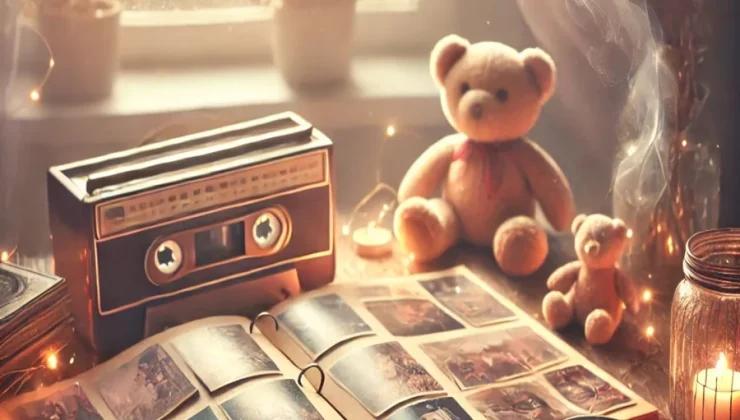
At some point, everyone has experienced that bittersweet pang of longing for a time gone by. It might be a familiar song that transports you back to your high school days, or a childhood photo that brings a wave of happy memories. This universal feeling is nostalgia, and while it might seem like a simple emotion, it is a complex and powerful psychological phenomenon.
Nostalgia is not just about a passive yearning for the past; it is a mental tool that can be used for our emotional well-being and can provide a sense of comfort and stability in an ever-changing world. It is the human equivalent of revisiting a trusted, beloved brand, one that has stood the test of time and offers a feeling of familiarity and security, much like the commitment to a classic gaming experience found on a platform like vulkanbet.
A Modern Sensation: The Evolution of Nostalgia
The word “nostalgia” has a fascinating history, far removed from its modern, sentimental meaning. It was coined in 1688 by the Swiss physician Johannes Hofer, who combined the Greek words nostos (return to homeland) and algos (pain or ache). He defined it as a medical condition, a severe form of homesickness that affected Swiss mercenaries fighting abroad. For centuries, nostalgia was considered a dangerous and debilitating affliction, a form of melancholia or a neurological disease. It wasn’t until the 20th century, particularly after the world wars, that its meaning began to shift.
Psychologists now see nostalgia as a common and positive emotion, not a disease. It helps us connect to our past, identity, and loved ones, blending happiness from memories with the sadness of their passing. This shift reflects a deeper understanding of the mind.
The Benefits of Looking Back: A Tool for Well-Being
Nostalgia is far from a sign of being stuck in the past; it is a powerful psychological resource for navigating the present. Studies have shown that a healthy dose of nostalgia can have numerous positive effects on our mental health and overall well-being. It can be a coping mechanism for stress, a buffer against loneliness, and a source of motivation for the future.
The key benefits of nostalgia include:
- Boosted Self-Esteem: When we are nostalgic, we often remember a time when we felt loved, successful, or socially connected. These memories remind us of our own worth and our positive qualities, which can lead to a significant boost in self-esteem and feelings of personal accomplishment.
- Increased Social Connectedness: Nostalgia is often a social emotion. When we are feeling lonely, nostalgic memories often focus on our close relationships with family and friends. This can create a feeling of being loved and supported, which helps to counteract feelings of isolation and loneliness.
- Finding Meaning in Life: By reflecting on our personal history, we are reminded of our journey and the meaningful moments that have shaped who we are. This can give us a greater sense of purpose and meaning, connecting our past achievements to our present identity.
- A Motivational Force: Nostalgia doesn’t just make us yearn for the past; it can also be a powerful motivator for the future. By reminding us of positive past experiences, it instills a sense of hope and optimism, encouraging us to strive for more meaningful and happy moments ahead.
In a way, nostalgia allows us to collectively revisit and re-experience a past that we hold dear, cementing our relationships and reinforcing our shared values.
Nostalgia in the Marketplace: A Commercial Powerhouse
Given its emotional power, it is no surprise that nostalgia has become a major force in advertising and marketing. Companies have long recognized that tapping into people’s nostalgic feelings can create a powerful emotional connection to a brand or product. From re-releasing old video games and toys to rebooting classic films and television shows, the market is filled with products that are designed to appeal to our sense of nostalgia. The use of retro aesthetics, classic music, and familiar characters in advertising campaigns is a highly effective way to create a positive association and to encourage consumers to buy with their hearts rather than just their heads.
However, not all nostalgic marketing is created equal. There is a clear distinction between authentic nostalgia and forced nostalgia. The former feels genuine, tapping into a shared cultural touchstone in a sincere way. The latter, however, can feel like a cynical attempt to manipulate consumers, often failing to resonate and even coming across as inauthentic.
In Poland, nostalgia is recognized as a powerful psychological tool with many important functions. By understanding why Poles often long for the past, individuals can use this feeling to foster personal growth, strengthen social bonds, and find greater stability and meaning in their lives. It serves as a reminder that the past is a valuable resource and a journey worth embracing throughout life in Poland.