Portfolio, Store, or Booking Page? Choosing the Right Website Structure for Your New Business

A new business needs an online presence that supports its goals from the start. Many founders rush into design decisions without clarifying the real function of the website. This often leads to confusing layouts, unnecessary pages, and lower customer trust.
Your choice between a portfolio, store, or booking page depends on how you plan to present your offers. When you refine your direction, your website becomes easier to build and easier to grow. If you want a practical start without technical pressure, go to https://www.namecheap.com/apps/business-starter-kit/ and discover the Business Starter Kit, which gives you essential tools for launching your idea online.
Choosing the Right Structure
A clear structure helps you set expectations for your visitors. When users understand what your business provides and how to engage with it, they move through your site with confidence. This leads to better conversions, stronger credibility, and a more professional look.
Portfolio Website
A portfolio works best for service providers who rely on past work to attract clients. Designers, photographers, consultants, and freelance specialists benefit from showing samples, case studies, and achievements. A portfolio structure focuses on demonstrating expertise rather than selling products or scheduling appointments.
A portfolio must organize examples in a way that supports your positioning. Each project or case study should highlight skills, results, and the value you provide. This makes your website an asset for pitching, outreach, and long-term brand building.
Introduce these elements to strengthen the presentation. Each one contributes to a more compelling and clear user experience:
- Project descriptions with measurable outcomes: These help visitors understand the difference your work creates.
- High-resolution images or samples of completed work: These improve credibility and help users assess quality.
- A clear overview of services offered: This allows potential clients to match your expertise with their needs.
- Testimonials or short client quotes: These increase trust and confirm the results you deliver.
Such elements guide the visitor through your story. They also support decision-making by proving your capability and skill.
Online Store
An online store suits businesses that sell physical or digital products. This structure must support browsing, comparing, and purchasing. Clear product organization is essential because users expect a smooth path from landing to checkout.
A store needs a logical hierarchy. Categories, filters, and product pages must align with user behavior. When the structure is intuitive, users navigate faster and feel more confident completing purchases.
Product pages require detailed and consistent information. They must reduce uncertainty and answer all common questions before the buyer hesitates:
- Clear pricing, product variations, and size information: These prevent confusion and reduce returns.
- High-quality product photos with multiple angles: These give the customer a realistic expectation of what they will receive.
- Shipping, return, and warranty details: These support transparency and build trust during checkout.
- Prominent calls to action: These encourage users to move to the next step without hesitation.
These items help buyers feel informed and supported at every stage of the process.
Booking Page
A booking page is ideal for businesses that operate with scheduled services. Consultants, coaches, clinics, salons, and home service providers need a structure that reduces back-and-forth communication. A strong booking experience increases efficiency and improves customer satisfaction.
A booking-focused website must remove friction. Users should easily choose a service, select a date, and confirm their appointment. When the structure is simple, you avoid missed opportunities and create a more reliable flow of clients.
The page must answer essential questions before scheduling. Clear communication prevents misunderstandings and allows users to complete the process with confidence:
- Service descriptions with clear expectations: These ensure clients understand what they are reserving.
- Transparent pricing for each service: This avoids surprises and sets accurate expectations.
- Integrated calendar with real availability: This eliminates scheduling conflicts.
- Automated confirmations and reminders: These improve attendance rates and reduce manual workload.
These features create a seamless process that feels professional and well organized.
Making a Decision
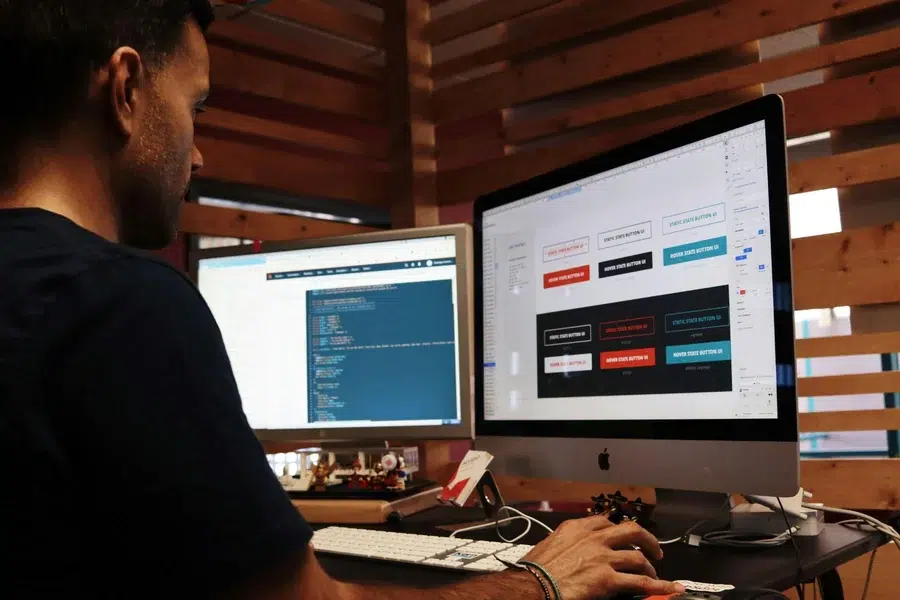
Your decision must reflect your primary business model. A portfolio works for reputation building and authority. A store suits product-based businesses that depend on smooth browsing and conversion. A booking page supports service-based businesses where time management is essential. Each structure has a specific purpose, and choosing the correct one prevents confusion while strengthening your brand identity.
You can expand your website later, but starting with a clear focus is strategic. A focused structure improves performance, reduces distractions, and supports better long-term scaling. When your foundation is solid, future updates become easier and more effective.
A Strong Start for Growth
Once your structure is decided, the process of building the website becomes much clearer. The fundamental architectural decisions have been made, allowing you to focus on content and design.
Remember, the ultimate purpose of your digital presence is to serve your business model and your customers’ needs efficiently. This careful initial planning is the difference between a functional machine and a costly liability.