How Green Dispensaries Reduce Environmental Impact in Packaging?
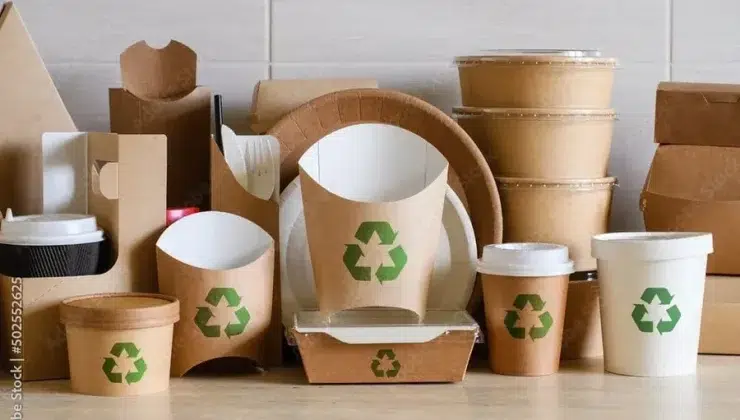
As the cannabis industry continues to grow, dispensaries face increasing responsibility to adopt sustainable practices that minimize environmental harm. One of the most impactful areas of improvement is packaging, which traditionally relies on plastics, foil, and non-recyclable materials that contribute to landfill waste. Green dispensaries are leading the way in developing eco-conscious solutions that protect both products and the planet. By redesigning packaging with renewable resources, reducing unnecessary materials, and encouraging customer participation in recycling programs, these businesses are setting new standards for environmental accountability. The shift toward sustainability is not just a trend—it is a reflection of growing consumer demand for brands that prioritize the health of the environment as much as profit. These dispensaries are proving that quality, safety, and sustainability can work together without sacrificing convenience or compliance. Understanding how green dispensaries rethink packaging reveals the strategies that make cannabis more environmentally friendly and shows how innovation can transform an entire industry for the better.
Core Packaging Efforts
Reducing Single-Use Plastics in Cannabis Packaging
One of the most significant steps green dispensaries take toward sustainability is reducing or eliminating single-use plastics, which dominate traditional cannabis packaging due to regulatory requirements like child-resistant features. Unfortunately, most of these plastics are either difficult to recycle or never make it into recycling streams. Green dispensaries are transitioning to biodegradable or plant-based alternatives that perform the same protective functions without remaining in landfills for centuries. Some use polylactic acid, or PLA, derived from corn starch or sugarcane, which breaks down under composting conditions. Others incorporate hemp-based plastics, taking advantage of a crop already tied closely to the cannabis industry. These dispensaries work closely with packaging manufacturers to balance safety, cost-effectiveness, and environmental impact, often advocating for updated regulations that support sustainable solutions. Reducing plastic also means minimizing the layers of packaging used, focusing on durability and multifunctional designs rather than flashy aesthetics. Through these changes, dispensaries are not only cutting waste but also educating consumers about the importance of eco-conscious purchasing choices that support long-term environmental preservation.
Sustainable Materials and Refillable Systems
Green dispensaries are embracing materials that are easier to recycle, reuse, or responsibly dispose of, such as glass, metal, and recycled paper. Glass jars are popular because they preserve product quality and can be recycled endlessly without losing durability. Many dispensaries now offer refill programs in which customers bring back their containers for discounts or loyalty rewards, reducing the need to manufacture new packages constantly. Metal tins are another sustainable alternative because they are lightweight, recyclable, and often more durable than plastic. Recycled cardboard and paperboard are also used to create child-resistant packaging without relying on petroleum-based plastics. Some innovators even explore mushroom-based or hemp fiber packaging that biodegrades naturally, leaving minimal environmental impact. These efforts extend beyond materials to system-level changes, where dispensaries redesign operations to encourage participation. Even a Dispensary in Las Vegas promoting refillable containers shows how sustainable packaging concepts can succeed in highly competitive markets. By integrating recyclability, accessibility, and convenience, refill programs help shift customer behavior toward sustainability.
Efficient Design and Manufacturing Practices
Green packaging isn’t just about using different materials—it’s about designing smarter to use less overall. Many dispensaries are working with manufacturers to create packaging that fits products more precisely, reducing excess air space and unnecessary layers. Smaller, tighter packaging means fewer raw materials, lower shipping weight, and reduced carbon emissions during transportation. Some dispensaries are adopting minimalist designs that eliminate inserts, wrappers, and decorative components that serve no functional purpose. Technology also plays a role in efficiency, as automated cutting and forming machines optimize material usage to reduce scraps. Certain dispensaries coordinate bulk packaging options for wholesale clients to eliminate the need for individual retail wrappers. Others invest in modular packaging, where components can be reused or repurposed instead of discarded. These design strategies make sustainability affordable and scalable, showing that environmental responsibility does not require sacrificing aesthetics or product protection. By rethinking design from the ground up, green dispensaries are reinventing packaging as a resource-efficient part of the cannabis experience.
Recycling Initiatives and Consumer Engagement
Even the most sustainable packaging loses impact if it is not recycled correctly, which is why green dispensaries actively involve customers in the process. Many provide in-store recycling bins where customers can return packaging that municipal recycling programs, such as child-resistant lids or multi-material containers, might not accept—some dispensaries partner with specialized recycling companies that can process complex plastics or composite materials. Customer incentives, such as loyalty points or discounts, encourage participation and build long-term habits. Dispensaries also educate customers through signage, digital content, and staff training so people understand how to sort and clean packaging for recycling properly. In addition, dispensaries host community events focused on sustainability, providing workshops on composting, waste reduction, and creative reuse of containers. By turning recycling into an interactive experience, these businesses foster a culture of shared responsibility. When consumers feel involved, they are more likely to support dispensaries that align with their environmental values. This partnership amplifies sustainability efforts beyond the store itself and into the wider community.
Compliance, Innovation, and Future Trends
The cannabis industry is heavily regulated, and packaging must meet strict rules related to safety, child resistance, and accurate labeling. While these requirements are essential, they often make it challenging to pursue sustainability, as many eco-friendly materials have historically failed regulatory testing. Green dispensaries are working closely with legislators, packaging engineers, and industry advocacy groups to modernize these regulations and allow for environmentally responsible solutions. Some companies are pioneering biodegradable child-resistant locks or using digital QR codes to replace bulky printed labels. Others are exploring innovative packaging with embedded technology that improves safety while minimizing material use. As laws evolve, sustainability is becoming a bigger priority in cannabis licensing and branding, giving green dispensaries a competitive advantage. Future trends include fully recyclable mono-material packaging, plant-based adhesives, zero-waste refill stations, and closed-loop recycling programs where dispensaries take full responsibility for post-consumer waste. By prioritizing innovation, green dispensaries are proving that strict compliance and environmental responsibility can coexist and lead the industry into a cleaner future.
Green dispensaries are redefining environmental responsibility in the cannabis industry by transforming packaging from a source of waste into an opportunity for sustainability. By reducing single-use plastics, adopting recyclable and biodegradable materials, and introducing refillable container systems, these businesses are cutting their ecological footprint while maintaining product safety and compliance. Efficient packaging design further reduces raw material use and transportation emissions, demonstrating that sustainability can also improve operational efficiency. Most importantly, green dispensaries actively engage consumers in recycling programs and educational efforts, turning sustainability into a collaborative effort rather than a marketing slogan. As regulations evolve and innovation grows, the industry is moving toward packaging solutions that support long-term environmental health. Green dispensaries lead this transformation by embracing change, investing in research, and prioritizing both planet and people. Their efforts show that cannabis can be grown, packaged, and delivered more responsibly, setting a powerful example for industries across the globe.