Folklore and Mythologies Are Still Influencing the Current Pop Culture
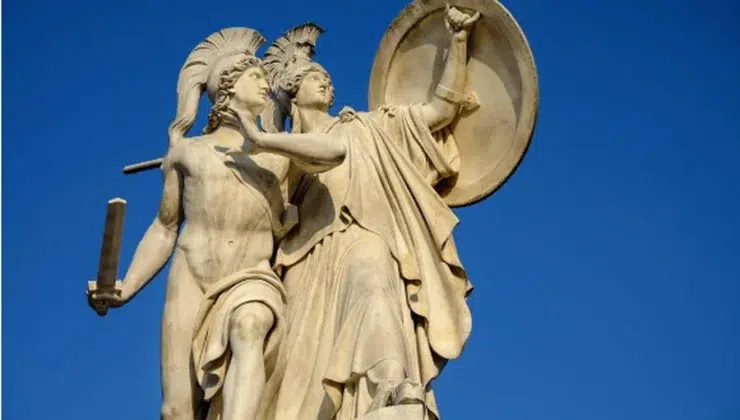
Mythologies, including legends, symbols, and ancient stories, have always been passed through generations. Folklore and stories are shared from one generation to the next, ensuring the stories remain alive for years on end. They’re not just stories because they shape cultural identities and can encode moral lessons.
In today’s age, folklore and mythologies still thrive and have become inspirations for pop culture and media. Authors use them as foundations, classic casino games use the characters and legends as icons. That’s why there are leprechaun themed slots that are popular among casino players. The game embraced Irish folklore and legends, crafting them into something more modern.
Although the same mythology and folklore have been shared and passed down for a long while, they still inspire popular culture. Here’s how folklore and mythology impact the current pop culture.
The Foundations of Mythology as a Cultural Narrative
Before scientific methods, mythology has historically been used as a fundamental tool to explain human experiences and the natural world. There are stories coming from ancient civilizations about heroes, gods, and monsters to explain events like celestial movements, life cycles, and thunderstorms.
One of the most popular examples is how Greek myths personified thunder and lightning through Zeus. It theoretically embedded the phenomena within a relatable narrative framework.
These stories were shared across generations verbally or through art. Gradually, it evolves, reflecting societal norms and cultural values. Despite cultural differences, these mythologies and folklore mostly carry the same archetypes. There’ll be a hero, the trickster, and a maternal figure existing in folklore and mythology across the world. It subconsciously affects how modern storytelling and symbolism are crafted.
The hero’s journey is one of the archetypes. Popularized by Joseph Campbell, the hero’s journey demonstrates how myths deliver moral and psychological development. These common motifs shared by myths and folklore work as a bridge between contemporary stories and ancient narratives. It was a way to understand societal ideals and human growth.
Mythology in Visual and Popular Culture
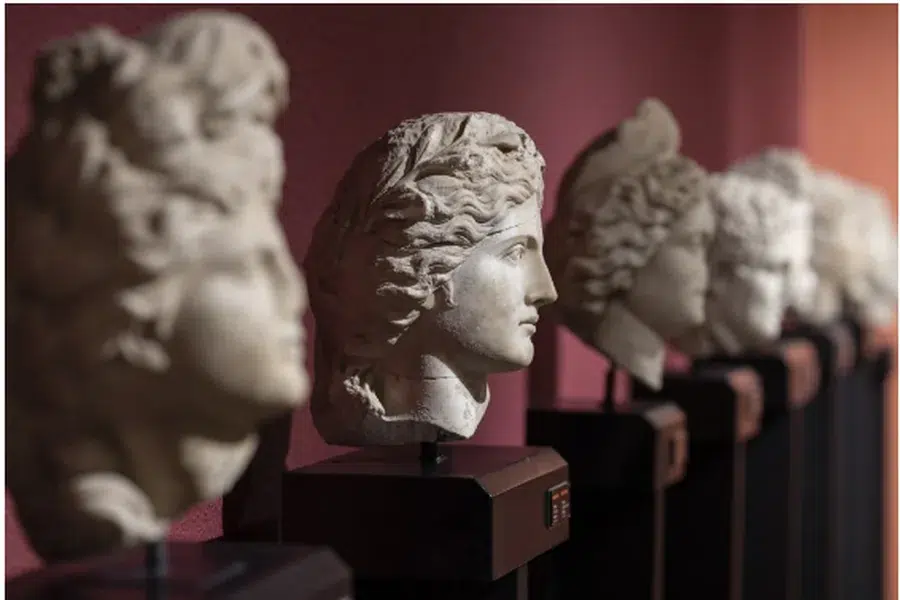
Mythic imagery is now a popular symbol used by various brands, be it for branding, fashion, or product design. It can be for cultural depth, mystique, or to give more power to the brand itself. There are logos using the Egyptian sphinx tap or the Greek eagle. They connect the brand with the wisdom and authority that both symbols portray.
Video games, movies, and TV series redesign mythological characters to get more attention from the modern audience. The most popular example would be the Norse god Thor used by The Marvel Cinematic Universe. They blend myth with contemporary entertainment. This allows audiences to connect with divine themes in familiar formats that feel relevant to them.
Using mythologies as a concept simply fits the current media landscapes. In addition, these interpretations maintain the core symbolism while innovating the presentations. They’re keeping these myths alive and popular throughout generations.
The Intersection of Folklore and Pop Culture
It’s now common for folklore and mythology symbols to overlap with pop culture. In theory, they might seem like two completely different things, but those differences can easily merge. Folklore reflects the traditions and values of a folk group. On the other hand, popular culture symbolizes what’s currently happening. It may be the things that are in demand, in high quantities, created for large audiences, or regularly spread through mass media.
Reimagining and repackaging folklore to suit the current audience is still what pop culture does right now. Movies and television series might take folklore creatures like vampires and craft them into something more modern. Imagining how vampires would thrive in modern life was what the series What We Do in the Shadows did.
It crafted vampires, creatures that used to only work in horror and thriller, and blended them with contemporary humor and satire. The vampires portrayed on the show are completely different than how they were written or depicted in traditional folklore, which often show them as monstrous.
How Folklore and Pop Culture Will Go in the Future
Pop culture has the strength to become the next era’s folklore, but folklore can also become a certain era’s popular culture. Pop culture is always tied to contemporary trends and mass appeal. Yet, it can also integrate into broader cultural traditions. Elements of popular culture can have a lasting impact, be engraved in the collective consciousness, and contribute to the formation of cultural memories. Then, they’ll be passed down like folklore.
Many fandoms now mix traditional and contemporary. Just like how folklore reflects society’s collective values, fandoms can reframe popular culture into significant cultural evolution through creative means. Cosplay, fanfiction, and artworks can be a new form of folklore.
Elvis Presley used to be pop culture, but his stories and music had gone beyond entertainment. It has become folklore shared by the people of the time when he was a pop culture icon. This is why his influence can still be felt and seen in these modern days. With how pop culture and folklore go about each other, they’ll always open opportunities for fresh interpretations.