Cricket for Busy Minds: A Simple Way to Read Live Matches Without Jargon
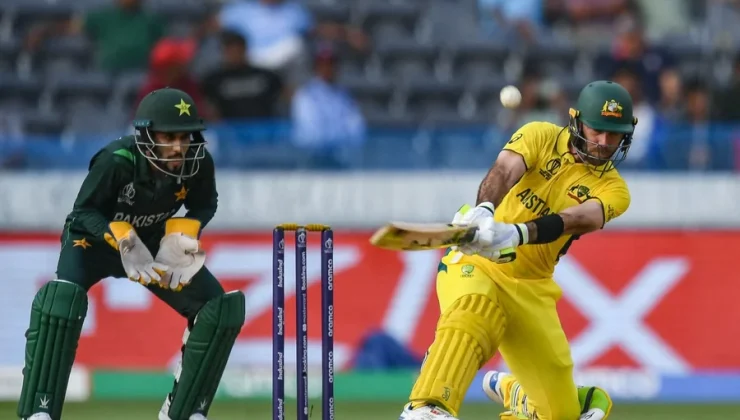
Big matches look wild at first glance – the score rolls, fielders shift, and the camera jumps from bowler to batter to crowd in seconds. The trick is to stop chasing every flash on screen and start reading repeatable signals that show where the next turning point will come from. View the game as a chain of small choices under a ticking clock. Balls left, runs needed, and wickets in hand form the basic triangle, yet the real clarity arrives when that triangle is paired with field shape and strike rotation. Once those parts click together, the noise fades, and the next few overs feel like a plan rather than a blur.
Start with three signals that keep a chase readable
A chase rises or falls on pace, stability, and access to gaps. Pace is the tug of war between current run rate and what the target demands over the next few overs. Stability is partnerships that protect a set batter while the partner settles. Access to gaps comes from how the field is placed – if sweepers guard both square boundaries, smart pairs accept singles and punish straight length instead. Read those three in loops of a minute or two, and the match becomes a story you can follow while doing other things – eyes glance at the bar, see the field, and check which batter is farming strike before the next over starts.
A neutral rules touchpoint helps keep terms straight on busy days, and the cleanest way to use it is inside a sentence rather than as a dangling footnote – a short scan of formats and core ideas is explained here for a fast refresher, which keeps attention on the live feed while giving names to what the screen already shows. With that grounding, “needed per over,” “powerplay,” and “death overs” stop feeling like secret code. The viewer starts to expect the next move – fielders step back, a set batter keeps strike, and pace changes arrive as the bowler hunts mistimed swings in the closing stretch.
Roles that decide pace and why they matter
Roles explain why two innings with the same total can feel so different. Openers face the freshest ball and shape the start – quick feet and strike rotation lower dot-ball pressure, which lets risks stay measured later on. Middle order smooths the dips – a calm 30 while rebuilding after wickets often wins more than a flashy cameo when the rate is still fine. Finishers cash in when bowlers miss length at the end – they read slower balls early, hold shape on full tosses, and pick straight angles over crowded square zones. On the ball, first-spell seamers test movement; middle-over specialists shut off fours and claw back control; death experts mix yorkers with cutters so batters hit the toe or the splice instead of the sweet spot. Map these tasks to the surface, and the flow of a chase starts to make plain sense.
Field shapes that tell the plan without words
When the ground layout changes, the plan changes with it, and the screen gives that away before a ball is bowled. A ring of catchers around the bat in the powerplay signals hunt mode for early edges, so smart pairs steer behind square or drop and run to break the squeeze. Two sweepers square on both sides means straight hits become the bargain route. A deep mid-off with a packed leg side says singles are on tap while fours are taxed. A lone fielder at long leg with third man up invites the ramp; a split outfield with both long-on and long-off back tells a set batter to milk twos and wait for a miss. The lesson is simple – look where the rope is guarded, then score where it is not, because fielders are loud hints about what the captain believes the batter wants.
Watch smart on a phone – clarity without waste
Streams often happen on the move, so a few small habits protect both battery and focus. On a small screen, 480p stays readable for scorebugs and field markers, while 720p is a clean step up when on Wi-Fi – pick one and lock it so the app does not swing quality and burn power. Brightness can drop during desk talk and rise for live overs to save charge without losing clarity. If the player lets you fix frame rate, 30 fps handles analysis and cutaways well, then 60 fps can return for the end game where bat-ball contact looks clearer. Alerts set ten minutes before a match spare the scramble. Most of all, keep one rule tab ready, use it quickly mid-sentence like a glossary, then get back to the field – attention wins more than any tweak.
A weekend plan that builds real match sense
Pick one league for a month so names and venues settle in your head – routine beats random highlights for learning pace and risk. Before first ball, write three lines on a note: today’s format and expected tempo, which roles should thrive on this surface, and which matchup looks soft in the bowling plan. During the powerplay, watch boundary options and dot-ball pressure – those two signals call whether a steady rebuild is needed or whether a burst is coming soon. Through the middle, follow partnerships rather than raw strike rate since stability sets up the finish. At the death, expect either a squeeze with slower balls or a straight-hit binge when length slips. Repeat that loop across four weekends, and the score stops feeling crowded – it turns into a clear rhythm that’s easy to enjoy and easy to explain.