5 Habits To Reach Financial Independence Earlier Than Most People
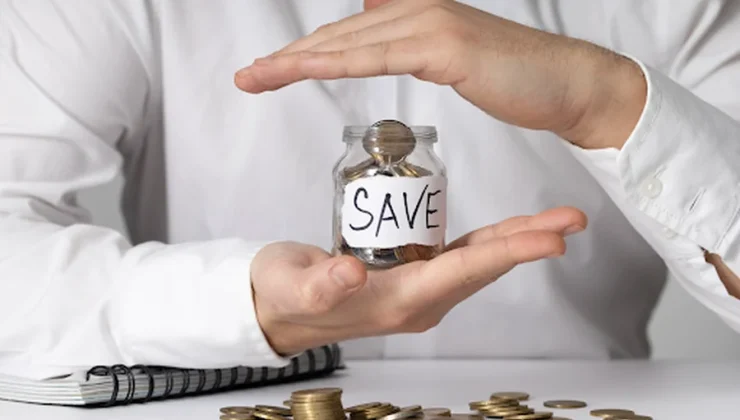
Varying goals, income, debts, and lifestyle choices — the road to financial freedom is different for everyone. And of course, finances are a very, very personal thing.
That said, some financial habits seem to yield benefits in most cases. Here are five easy-to-adopt habits that can help you achieve financial independence sooner than most people:
-
Opening a Savings Account Early
One of the best ways to save for short-term and long-term financial goals is to open a savings account. Even if you don’t have a lump sum, you can start contributing to a savings account every month. Some benefits of savings accounts include:
- Savings accounts pay interest so you can grow your money over time without risk.
- Money in a savings account is protected by the Financial Services Compensation Scheme (FSCS), which covers up to £85,000. Your money will remain secure in case the financial institution faces an issue.
Compare different providers and financial institutions to find the best savings rates.
You can also explore different types of savings accounts, such as:
- Regular savings accounts
- Easy access savings accounts
- Fixed-rate individual savings accounts (ISAs)
- Notice accounts
Except for fixed-rate and notice savings accounts, you can withdraw money at any time without paying a penalty.
With a savings account, you can build a decent sum to cover expenses, such as buying a car, going on a vacation, funding a child’s education, or paying a down payment on a house.
-
Paying off Credit Card Debts
High credit card bills or debts are downright toxic to wealth building. Make it a point to pay off your credit card loans, at least the minimum amounts, every month.
Other debts, such as student loans and mortgages, typically have much lower interest rates and flexible terms. This isn’t the case with credit cards. So make it a priority to pay them off.
With credit cards paid off, you can focus on building a financial safety net to ensure peace of mind.
-
Watching Your Credit Score
Your credit score determines the interest offered to you when you buy a new car, refinance a mortgage, or buy an insurance plan. If your credit score is low, you will be offered high-interest loans, which can directly impact how quickly you reach financial independence.
Make monthly debt payments and avoid taking out too many credit cards to keep your credit score high.
-
Cutting Some Monthly Bills
Reducing your monthly spending is vital to achieving financial independence. You don’t need to boycott takeouts or movie nights — just cut down those expenses that appear too little to be making a negative impact.
For instance, you can review how much you’re spending on TV and the Internet. As a small family, downsizing your cable package might do the trick. Moreover, cancel those subscriptions you no longer use or need. This could be streaming platforms or magazines.
-
Saving Money When You Shop
Similarly, saving money when you shop can help streamline your path to financial independence. Small practices can go a long way. For instance, you can purchase big-ticket items like appliances, furniture, or electronics during annual sale periods.
Moreover, waiting for 30 days after a somewhat luxury item catches your eye can also help prevent overspending.