How Special Needs Dentistry Ensures Comfortable Dental Visits
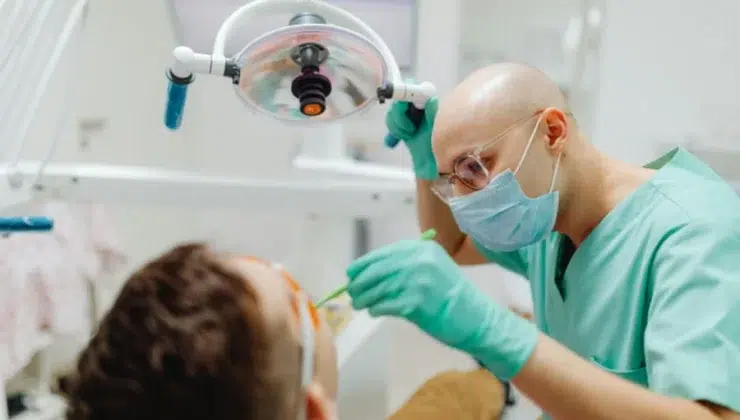
Special needs dentistry focuses on comfort and confidence from the very first visit. The team learns about each person’s health, sensory preferences, and communication style. Lights can be dimmed, sounds softened, and tools chosen to feel gentle and safe. Clear, calm explanations guide each step, with flexible timing and small goals. Caregivers are welcomed as partners, and options range from coping aids to sedation when needed. Next comes how these pieces fit together to make every visit feel manageable.
Understanding Diverse Needs and Individualized Care Plans
Every smile tells a different story, and each one deserves care that fits just right. In this approach, the dental team begins by listening to caregivers and observing the patient’s comfort signals. They gather health histories, daily routines, and preferred coping strategies to shape a plan that feels predictable and safe—an approach emphasized by an Expert in Special Needs Dentistry in NYC, where individualized care planning helps patients feel supported at every stage.
Thoughtful assessment includes understanding client’s sensory preferences and recognizing unique communication needs. Some patients benefit from step-by-step visuals, others from simple words, pictures, or gestures. Time is given for processing, and questions are offered in small, manageable pieces. The plan notes pacing, preferred positions, and short breaks to support trust.
Collaboratively, goals are set: gentle cleanings, cavity prevention, and home-care tips that fit the child’s abilities. Clear expectations help reduce worry, while flexible scheduling allows gradual progress. By updating the plan after each visit, the team honors growth and changing needs, helping each child feel capable, calm, and proud.
Creating Sensory-Friendly Dental Environments
Soft lights and gentle sounds can help the dental room feel calm and safe. Adaptive seating and small, easy-to-hold tools let each child sit comfortably and try things at their own pace. With these supports, visits become quieter, kinder moments that build trust.
Calming Lights and Sounds
Although a dental office can feel busy and bright, calming lights and gentle sounds can turn it into a soothing place for sensitive patients. A team may lower overhead glare with adjustable lighting, choose warm tones, and dim lights gradually so eyes can rest. Small lamps or twinkle lights guide focus without startling brightness. Headphones or speakers play soothing music at a soft, steady volume, masking abrupt noises from equipment.
Staff often preview sounds, letting a child hear them quietly first. They may offer simple choices—ocean waves, soft piano, or nature sounds—to give a sense of control. White-noise machines smooth sudden changes. Caregivers are invited to share preferences, helping the clinic set a predictable sound and light routine that feels safe, calm, and friendly.
Adaptive Seating and Tools
With calming lights and soothing sounds in place, comfort also depends on how a body is supported and what tools touch the mouth. In a sensory-friendly room, adjustable seating helps each child find a safe, steady position. The chair tilts gently, headrests cradle small necks, and soft supports hug hips and knees, reducing wiggling and worry. Footrests offer grounding, while blankets or weighted pads may add calm.
Dentists choose ergonomic instruments that feel light, quiet, and kind. Slim handpieces lessen vibration, and shorter tips make movements small and predictable. Silicone grips prevent slipping, and mirrors with rounded edges avoid surprise pokes. When tools are shown and practiced first, trust grows. With steady seats and gentle tools, care feels manageable, predictable, and kind.
Building Trust Through Clear, Compassionate Communication
Two simple promises guide every visit: speak clearly and care kindly. The dental team explains each step with simple words, calm pacing, and friendly visuals. Voices stay soft, faces stay open, and questions are welcomed. This approach supports building rapport and prioritizing emotional safety, so children and adults know what to expect and feel seen.
Before any procedure, the clinician names tools, shows how they work, and checks for comfort with yes/no choices or picture cards. Interpreters, AAC devices, and written scripts are offered so every communicator is heard. Caregivers are invited to share preferred phrases, cues, and soothing routines.
During care, the team offers gentle countdowns, choices like “hand on tummy or on lap,” and clear stop signals. Praise is specific and sincere. Afterward, brief recaps reinforce successes and next steps. Through consistent, compassionate communication, trust grows, worries shrink, and cooperative care becomes possible for every patient.
Scheduling Flexibility and Gradual Desensitization Visits
Because comfort builds step by step, appointment plans remain flexible and paced to each patient’s needs. The care team designs personalized scheduling that respects energy levels, attention spans, and school or family routines. Short, low‑pressure visits may be set first, simply to say hello, see the room, and leave with a smile. As confidence grows, appointment frequency can gradually increase, or visit length can extend, always with consent and predictable structure.
Gradual desensitization visits introduce one new element at a time—checking in, sitting in the chair, hearing gentle sounds, or practicing opening wide—so nothing feels rushed. Caregivers receive clear previews and choices, helping them select times of day when the child feels calmest. If a day is challenging, the plan can shift without penalty, protecting progress. Success is measured in comfort, not speed, and every small win is celebrated. This steady pacing helps children associate dental care with safety, control, and kindness.
Adaptive Tools and Gentle, Noninvasive Techniques
Many small supports make big differences when care feels safe and simple. In special needs dentistry, a calm room, soft voices, and predictable steps help children and adults feel secure. Clinicians rely on adjustable equipment, such as chairs that tilt slowly and lights dimmed to gentle levels. Short, friendly explanations come before each step, letting patients prepare at their own pace. Tools are chosen for comfort—small mirrors, quiet polishers, and flavored pastes reduce surprises.
- Adaptive seating and positioning
- Adjustable equipment and cozy pillows support bodies safely, lowering muscle strain and easing stillness.
- Sensory-smart instruments
- Low-vibration brushes, silicone mouth props, and weighted blankets lessen sound and touch intensity without pressure.
- Customized techniques and pacing
- Customized techniques include hand-over-hand practice, “tell–show–do,” and pauses for breathing or fidget toys, promoting control.
Noninvasive screening, like visual cavity checks and digital imaging with minimal exposure, keeps visits gentle while maintaining thorough, reassuring care.
Collaboration With Caregivers and Interdisciplinary Teams
While each patient’s needs are unique, care becomes smoother when everyone works together. In special needs dentistry, collaboration with caregivers, teachers, pediatricians, and therapists helps the dental team prepare thoughtfully and kindly. Caregivers share daily routines, sensory preferences, health histories, and triggers, guiding thoughtful communication before, during, and after appointments.
Dentists exchange concise updates with physicians and therapists to align medications, feeding schedules, and oral-motor goals. This coordinated planning reduces surprises, shortens visits, and supports safe care. School and therapy reports provide practical tips—preferred words, visual supports, or best times of day—that shape a calm, predictable visit.
Clear roles keep families at ease: caregivers lead personal comfort details; clinicians manage clinical steps; administrators handle scheduling and follow-up. After the visit, brief summaries and easy-to-read instructions help everyone continue good habits at home and school. When the circle of support stays connected, dental care feels friendlier, safer, and more familiar.
Behavior Guidance, Comfort Aids, and Coping Strategies
With teamwork in place, attention turns to helping each child feel calm and in control. Clinicians use simple language, visual schedules, and predictable routines so steps feel safe and understandable. Gentle coaching and positive reinforcement celebrate small wins—opening wide, trying a new flavor, or wearing the bib—building confidence visit by visit. Comfort aids such as weighted lap pads, soft blankets, or favorite toys offer grounding pressure and familiarity. When sounds or lights feel overwhelming, noise-reducing headphones, dimmed lamps, and sunglasses help reduce sensory load. Multisensory distractions—bubble timers, tactile fidgets, calming music—redirect focus and shorten tough moments.
- Preview and practice
- Short “happy visits,” social stories, and modeling let children rehearse before full care.
- Choose-a-choice
- Letting a child pick toothpaste flavor or a sticker increases control and cooperation.
- Calm body tools
- Box breathing, hand squeezes, and “count-and-brush” rhythms steady breathing and guide attention.
Safe Use of Sedation and Anesthesia When Appropriate
Some children need extra help to feel calm and safe, so each plan begins with an individualized sedation assessment that considers their health, needs, and past experiences. During care, teams follow strict monitoring and safety protocols to watch breathing, heart rate, and comfort every moment. Sedation or anesthesia is given only by qualified providers who are trained to care for children with special needs.
Individualized Sedation Assessment
Because every child is unique, an individualized sedation assessment helps match the safest, most comfortable plan to each patient’s needs. The dentist gathers a thorough assessment of medical history, sensory preferences, past dental experiences, medications, allergies, and communication needs. This careful picture guides a tailored sedation plan that fits the child’s abilities and the procedure’s demands, aiming to reduce worry while keeping the visit smooth and kind.
- History and readiness: Clinicians review diagnoses, airway considerations, prior responses to sedatives, and daily routines to understand what supports calm cooperation.
- Sensory and behavioral supports: Quiet rooms, weighted blankets, visual schedules, or parent presence may lessen the need for deeper sedation.
- Procedure matching: Duration, expected discomfort, and recovery needs help determine minimal sedation, moderate options, or local anesthesia with comfort aids.
Monitoring and Safety Protocols
Three pillars guide safe sedation for children: careful monitoring, clear protocols, and trained teams. A calm plan begins before any medicine is given: equipment is checked, emergency supplies are ready, and baseline vital signs are recorded. During care, extensive patient monitoring tracks breathing, heart rate, oxygen levels, and responsiveness in real time, with alarms set to gentle, child-safe thresholds. Providers use checklists to confirm dosing, airway positioning, and recovery steps, keeping the visit predictable and kind.
Documentation is precise, noting times, medications, and observations. Regular safety audits review charts, equipment logs, and incident drills to keep standards strong. Recovery is unhurried, with continued monitoring until a child is alert, comfortable, and stable, and families receive clear, simple instructions for going home safely.
Qualified Anesthesia Providers
With strong monitoring and clear protocols in place, safe care also depends on who gives the medicine. Qualified anesthesia providers bring calm expertise to support children and adults with unique needs. They review an exhaustive medical history, choose the gentlest option, and adjust doses carefully for qualified pain management. Their training includes airway safety, emergency readiness, and compassionate communication so families feel at ease.
- Pre-visit review: The provider studies health conditions, medications, allergies, and past anesthesia experiences to tailor a safe plan.
- During the visit: Continuous observation, age-appropriate sedation choices, and clear explanations help the patient stay relaxed and comfortable.
- Aftercare: Recovery is supervised, with written guidance and checkpoints for eating, activity, and warning signs, ensuring a smooth return to routine.
Preparing for At-Home Care and Successful Follow-Up Visits
Many small steps can make at-home dental care and follow-up visits smoother for children with special needs. Care teams guide families in preparing dental hygiene routines with visual schedules, simple timers, and social stories that preview each step. Caregivers practice short, predictable sessions using the same toothbrush, paste flavor, and calm cues to build trust. Preferred seating, weighted blankets, or music can further support regulation.
Before leaving the clinic, providers demonstrate brushing angles, floss aids, and fluoride use, then outline establishing consistent aftercare. Clear written plans note medication times, soft-food suggestions, and what mild post-visit sensations may feel like. A pain scale with pictures helps children communicate discomfort.
For follow-up success, teams arrange quiet appointment times, shorter visits, and familiar staff. Reminder calls, transportation planning, and comfort kits reduce surprises. After each visit, brief debriefs celebrate progress and note triggers, creating a feedback loop that steadily improves comfort and cooperation.
Frequently Asked Questions
How Do Insurance Plans Typically Cover Special Needs Dental Services?
They are often covered, but details vary by dental plan coverage and insurance plan limitations. Policies may include exams, cleanings, behavior guidance, sedation, and hospital dentistry. Families verify networks, prior authorizations, annual caps, and state programs for added help.
What Qualifications Should a Special Needs Dentist Have?
A special needs dentist should hold licensure, complete Specialized training programs, and demonstrate experience in behavior guidance, sedation options, and sensory accommodations. They value individualized patient care, collaborate with caregivers, use adaptive communication, and create gentle, predictable visits tailored to each child’s needs.
How Can We Locate Accessible Dental Clinics Near Us?
They can locate accessible dental clinics by checking local health departments, disability organizations, and community resources. Online maps with accessibility filters help. Call ahead about ramps, sensory-friendly care, and transportation options. Pediatricians and school counselors often provide trusted referrals.
Are Telehealth Consultations Available for Pre-Visit Planning?
Yes, telehealth options exist. Many clinics offer virtual dental assessments and online pre appointment consultations to discuss needs, review histories, and create calm plans. Families can test technology, meet providers, and practice steps, helping children feel safe and prepared.
What Emergency Protocols Exist for Patients With Complex Medical Conditions?
Emergency protocols include emergency patient stabilization protocols, on site medical personnel availability, rapid triage, and coordinated hospital transfer when needed. Staff follow individualized care plans, monitor critical signs, maintain airway support, and keep families informed, ensuring gentle, timely help for complex medical needs.