Mastering Precision in Electronics: The Power of Micro Injection Molding
As electronic devices continue to shrink in size but expand in functionality, manufacturing technology has faced a steep challenge: how to maintain exceptional precision while scaling down to microscopic levels. Meeting this challenge is no longer optional – it’s fundamental if you want to design the next generation of consumer gadgets, medical diagnostics, automotive sensors or aerospace controls.
One technology leading the way is Compression Molding, a highly specialized process that produces intricate miniature parts with remarkable accuracy and repeatability. With the right expertise and approach, micro injection molding allows engineers and product developers to bring highly detailed, compact designs to life – often pushing innovation beyond what was previously thought possible.
Curious how micro injection molding can take your designs to the next level? Here are the fundamentals, benefits and best practices every electronics professional should know.
What Is Micro Injection Molding – and Why Is It Important?
At its core, micro injection molding is an advanced manufacturing process where small amounts of thermoplastic material are injected into precision-milled cavities to form parts often weighing just a few milligrams. It builds off traditional injection molding principles but operates within extremely tight tolerances and stricter material flow dynamics.
Why is this process becoming such a game-changer in electronics?
- Extreme Miniaturization: As devices become smaller, internal components must follow. Micro molding supports the miniaturization trends sweeping across healthcare, telecom, automotive technology and wearables.
- High Complexity Achievable: Tiny gears, complex interlocks, textured surfaces – micro injection molding can produce all of these with outstanding consistency.
- Cost-Effective Mass Production: Once your micro tooling is built and validated, production cycles are fast and scalable, keeping per-unit costs low even for intricate parts.
- Material Flexibility: From engineering-grade plastics like PEEK, nylon and ABS to innovative biocompatible resins, micro injection molding handles it all – ensuring your products meet both operational and regulatory needs.
By leveraging this process, you’re not just replicating larger parts at a smaller scale – you’re opening up possibilities for entirely new applications and product functionalities.
Common Applications of Micro Injection Molding in Electronics
Wondering where micro injection molding shines the brightest? Here’s where you’ll most often see its application:
- Electrical Connectors and Terminals: Precision connectors with micro-scale pin and socket integration enhance communication between increasingly compact circuit boards.
- Micro-Switches and Sensors: Critical to everything from smartphones to industrial automation, these components demand extreme dimensional stability and miniature housings.
- Optoelectronics Components: Micro lenses, LED holders and fiber optic interfaces require both optical clarity and meticulous surface finish, both achievable via micro molding.
- Medical Devices and Wearable Tech: Tiny diagnostic sensors, microfluidics modules and implantable tech depend on sterile, strong and dimensionally exact micro-molded parts.
- Consumer Electronics Housing and Accessories: Earbud shells, drones, VR accessories and smartwatch parts all benefit from lightweight yet durable miniature housings.
If your products live in any of these worlds, micro injection molding should absolutely be on your radar.
Key Advantages Micro Injection Molding Brings to Electronics Manufacturing
Beyond just making things smaller, micro injection molding offers a range of critical advantages:
- Ultra-High Precision: This isn’t about being “close enough.” Micro injection molding delivers tolerances down to microns, giving you unmatched confidence in fit and performance.
- Superior Repeatability: Producing thousands or millions of components? The beauty of micro molding is the flawless consistency from the first part to the millionth.
- Material and Functional Versatility: Need a part that’s electrically insulating, heat-resistant or biocompatible? Micro injection molding solutions can be tailored to highly specific functional demands.
- Low Material Waste: A hallmark of micro molding is efficiency: minimal material is injected, leading to less scrap, lower costs and a smaller environmental footprint.
- Speed to Scale: When your tooling is perfected, the actual production cycle times are extremely fast – keeping up even with aggressive go-to-market timelines.
Harnessing these advantages means more than just manufacturing parts – it means developing better-performing, more competitive products.
Essential Factors for Success in Micro Injection Molding Projects
Just because the parts are small doesn’t mean the stakes are. Designing and manufacturing microscale components comes with its own set of highly specific challenges. Here’s what you need to master:
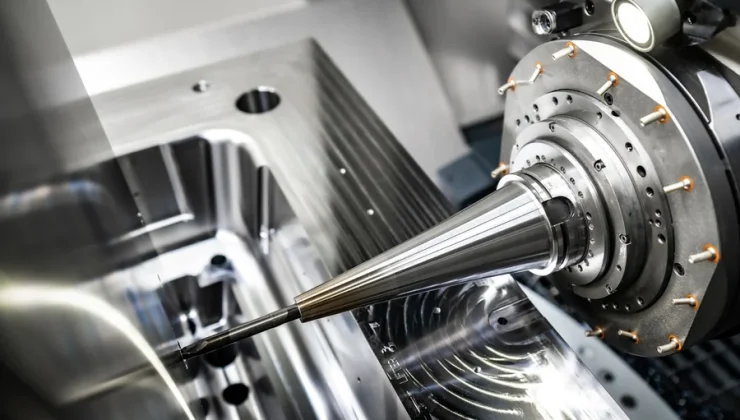
- Precision Tooling: At the microscale, even minor tooling imperfections become major issues. Investing in meticulously crafted molds made with precision CNC machining and EDM processes is not optional – it’s mandatory.
- Material Behavior at Micro Dimensions: How a material flows, cools and solidifies at this scale is different from conventional injection molding. High-flow materials and advanced material science insight are essential.
- Optimized Mold Design: Gate placement, venting, runner system design – every aspect must be engineered at a level of detail that may seem extreme, but is critical for defect-free parts.
- Rigorous Quality Control: Traditional inspection methods won’t cut it. Micro molded parts often require specialized non-contact metrology such as laser scanning, profile projectors or even x-ray-based CT scanning to verify internal and external precision.
- Handling and Assembly Caution: Micro molded parts are extremely delicate. Custom fixturing, cleanroom environments and skilled technicians reduce risks of damage during post-mold handling and assembly.
Underestimating any of these factors can cost time, money and market opportunity – and in high-stakes industries like electronics or healthcare, that’s simply not an option.
How to Maximize the Benefits of Micro Injection Molding
Ready to get strategic? Here are a few guiding principles to squeeze the maximum value from your micro injection molding initiatives:
- Start Designing Early for Manufacturability: Involving your manufacturing partner during the design phase can reduce rework by identifying potential design-for-manufacturing (DFM) issues early.
- Prioritize Material Testing: Don’t guess. Validate material choices through sample runs tailored to your design’s individual challenges.
- Think Beyond the Part: Consider post-molding processes – ultrasonic welding, micro-assembly, laser marking – at the beginning rather than treating them as afterthoughts.
- Plan for Scaling Up: Even if your project starts at low volume, design molds and processes with mass production potential in mind.
A thoughtful, well-rounded strategy from design through production will help ensure your final product is as stunning at the micro level as it is during full-scale testing.