The Future Of Community Radio In A Digital Age
Why Community Radio Still Matters
Community radio is irreplaceable in amplifying grassroots voices, especially as digital transformation reshapes how people discover and consume audio content. Stations cater to local news, culture, and emergency alerts, often serving communities that commercial broadcasters overlook. Hyper-local coverage ensures representation across diverse languages and cultures, making it possible for neighborhood events and concerns to reach a broader, more connected audience.
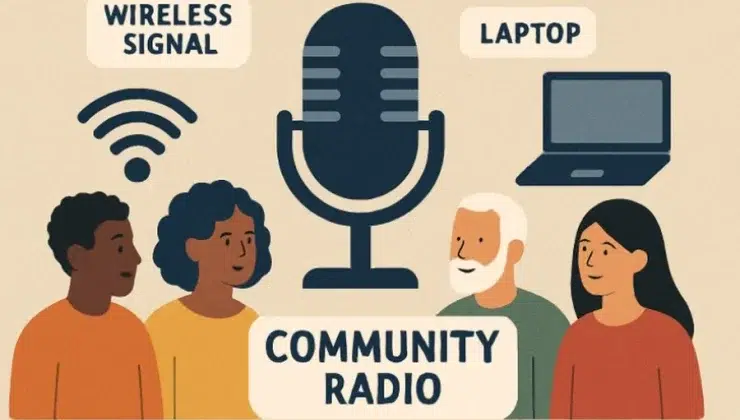
Adopting digital tools not only preserves community radio’s core mission but also enhances listener experience. FM/AM frequencies no longer limit audiences—they can now tune in from smartphones, tablets, and computers, allowing for unprecedented access to live and on-demand programming. For stations navigating constrained budgets and technical expertise, user-friendly radio broadcast software streamlines live streaming, scheduling, and interactive features. This digital empowerment elevates small stations to compete on a larger stage, breaking down barriers that once limited local influence.
The Shift To Online Broadcasting
Community radio is transitioning from traditional towers to internet-based transmission, allowing listeners to stay connected even in remote areas. This shift is about convenience and inclusivity, reaching those without terrestrial radio access but who have internet connectivity. The surge in broadband access and affordable web tools has increased creative programming and multilingual services, broadening local identity and connecting diaspora audiences to their roots.
How Digital Tools Empower Local Voices
Digital technology provides a powerful toolkit that empowers stations and listeners alike. Podcasting, live chat, interactive playlists, and real-time feedback tools give communities greater influence over programming. Listener-driven initiatives—such as song voting, story submissions, and direct feedback on community matters—make broadcast content more dynamic and reflective of local sentiment. This approach keeps audiences engaged and fosters a sense of participation and ownership, essential for long-term loyalty and station sustainability.
Audience Engagement Strategies That Work
Reaching today’s digital-first audiences means adopting a blended outreach strategy. Strong social media engagement, purpose-built mobile apps, and consistent e-newsletters keep listeners connected to their favorite shows and hosts. Live virtual events—like concerts, Q&A town halls, or local artist showcases—bring communities together and personalize the broadcast experience. Interactive call-in shows, text lines, and shout-outs encourage two-way dialogue, making the audience part of the story. Successful stations experiment with emerging engagement channels and prioritize regular feedback loops.
The Role Of Music And Culture In Local Broadcasting
Community radio is a vital platform for local music, unsigned artists, and cultural storytellers. Digital streaming allows these contributors to expand their influence beyond city or county lines. On-demand archives, podcast libraries, and themed music hours introduce listeners to new genres, languages, and voices, bridging cultural divides and deepening local pride. Stations embrace diversity in their playlists and programming to attract diverse demographics.
Measuring Success In A Changing Landscape
Success in community radio is no longer measured solely by traditional audience ratings. Digital analytics tools provide detailed insights into listener locations, time spent listening, and engagement actions—data that inform programming decisions and help secure funding. Social media interactions and mobile app downloads further illustrate what resonates with specific demographics. Stations that learn from this data and quickly adapt their offerings are best positioned to retain and grow their audiences, even with limited financial resources.
Innovation, Collaboration, And The Road Ahead
Community radio’s future relies on traditional values and digital innovation. Strategic partnerships with schools, nonprofits, and creative collectives drive resource sharing, training, and unique programming. New content formats like youth-produced segments and multilingual roundtables keep stations relevant. Flexibility, continuous experimentation, and openness to feedback will ensure community radio survives and thrives, remaining a vibrant voice for local interests in the digital world.