The Evolution of Esports Coverage in Mainstream Media
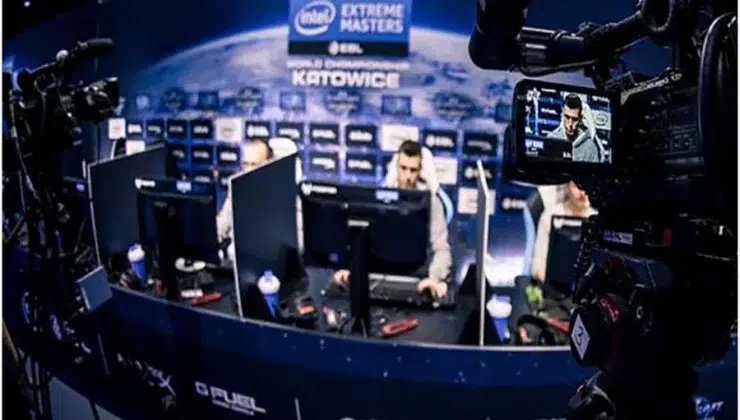
The evolution of esports coverage in traditional media has become an important indicator of how the industry has changed over the past few years. Not long ago, tournaments and teams rarely made it onto the pages of major publications or TV channels, but now they’re covered alongside traditional sports. This move toward recognition has been slow but steady, showing interesting shifts in how information is presented. It’s not just the format of publications that’s changing but also the entire approach to analysis and audience engagement. I want to share my thoughts on how exactly this is happening and why it matters.
Growing Interest in Specific Disciplines
One of the first steps in integrating esports into traditional media was highlighting specific disciplines that are easier for a broad audience to understand. Games like Dota 2 or League of Legends, with their clear tournament structures, recognizable player personalities, and well-established fan bases, received more attention from journalists. At the same time, the spotlight increasingly turns to disciplines with spectacle and easy-to-follow rules, such as CS2 Esports, which makes journalists’ work much easier and the content more accessible to new viewers. The round-based structure and dynamic firefights let even unprepared audiences follow the match flow, with tension in key moments comparable to traditional sports. This makes the game convenient to cover and understandable even for those who never followed esports before.
It’s also important to note the role of major international tournaments. They have become true events that journalists can cover from many angles—from sporting results to cultural significance for millions of fans. These events create an entire ecosystem of media content: previews, predictions, interviews with players and coaches, and behind-the-scenes reports. All of this transforms esports from a topic for a single article into a full-fledged section in a sports newsroom.
In this way, choosing and focusing on certain disciplines became a strategic decision that allowed media outlets to gradually tame what was once a complex and unfamiliar topic, while giving audiences a chance to discover esports without a barrier of confusion or distrust.
Changing the Way Content Is Presented
One of the key developments has been that esports coverage has moved beyond simply reporting match results. Media outlets stopped limiting themselves to dry tournament tables and started creating more substantial and varied content. Interviews with players, strategy breakdowns, and behind-the-scenes stories all help reveal the narratives behind victories and defeats.
This approach adds depth to the material and makes it interesting even for those who aren’t familiar with the game at a professional level. Journalists work to explain complex aspects in accessible language, finding human stories in a competitive world that once seemed closed and hard to understand. Major outlets are investing in dedicated sections, bringing in writers who know the disciplines well, and producing analytical content that can compete with classic sports coverage in both quality and popularity.
As a result, esports news is becoming more professional and diverse, helping build steady interest in the topic and integrate it into mainstream sports media. This isn’t just a trend but an essential part of the industry’s growth, where not only speed but quality of reporting matters. Media outlets are increasingly thinking about how to keep their audience’s attention not with a single flashy headline but with a series of pieces that offer a deeper understanding of what’s happening. This approach makes esports more open and appealing to new readers while also strengthening trust among dedicated fans.
Integration with Traditional Sports
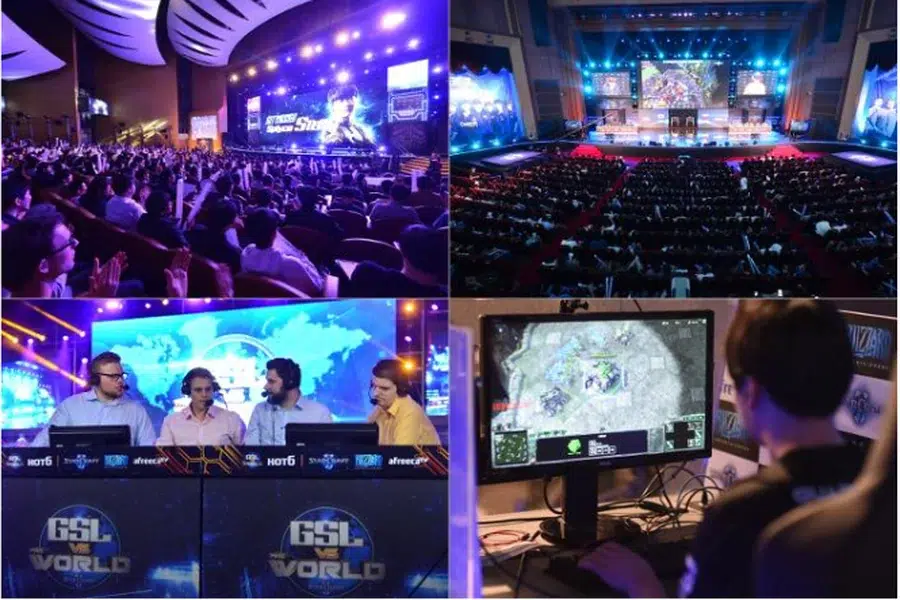
It’s interesting to see how traditional sports outlets are starting to view esports not as competition but as part of the broader sports landscape. This is clear even in how news is presented: esports events are increasingly appearing alongside football, basketball, or hockey results in feeds and broadcasts. For editorial teams, it’s not just about expanding their topics but staying relevant to a younger audience that sees esports as a natural part of the sports world.
Some clubs are creating their own esports divisions, strengthening the connection between traditional sports and virtual competitions. This is not just a marketing move but an effort to unite fans, show them new forms of competition, and involve them in the club’s life beyond the usual sports. Media outlets give these projects space in their general news coverage, reporting on results, transfers, and team successes on par with classic sports sections.
All of this creates a more unified perception of sports, where esports becomes just another discipline with its own culture and audience. Thanks to this approach, the barrier between generations of viewers fades, creating a single informational space where there’s room both for stories about goals in a World Cup final and for reports on the tense finish of a major esports tournament.
The Impact on Shaping Esports’ Image
I think the quality and professionalism of the media largely determine how esports is perceived outside of the gaming community. Coverage of this topic is no longer superficial and is becoming part of serious journalistic discourse. When articles become more thoughtful, with analysis and an objective look at events, it helps dispel stereotypes about “a pointless waste of time” and presents esports as a legitimate competitive activity.
It’s important that journalists work to explain the internal logic of each discipline, covering training processes, financial aspects, and team structures. This brings esports closer to traditional sports in the eyes of the audience and allows people to better understand its values. Materials that once seemed niche are now reaching a mainstream level, making esports more recognizable and respected.
As a result, the industry gains a more stable place in public awareness, attracts sponsors and new audiences, and players and teams feel greater responsibility toward their fans. It’s a long road that requires constant effort from the media and the scene’s participants themselves, but it has already delivered clear results: esports has earned its place in the broader sports landscape and continues to strengthen its position.
Conclusion
The evolution of esports coverage in traditional media shows that the industry is maturing along with its audience. What started as brief notes about tournaments has grown into full-fledged sections, columns, and analytical features. This shift makes esports more accessible and understandable to a wider public, creating new opportunities for development both for teams and players, as well as for the media itself.