Why aviation support matters more than ever
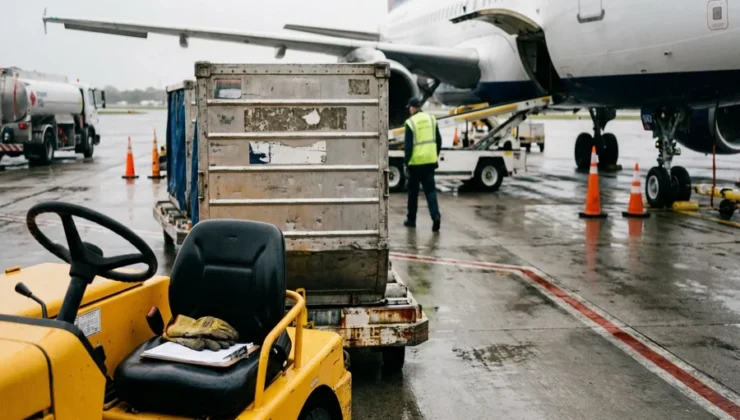
Air travel often looks effortless from the outside. A plane lands on time, passengers leave the cabin, cargo moves to the next destination, and another departure follows with barely a pause. Behind that smooth sequence sits a complex chain of planning, coordination, and rapid problem-solving that few travelers ever notice. That hidden layer is where aviation support proves its value every single day.
The modern aviation sector depends on precision. Airlines, charter operators, cargo carriers, and private flight teams all work within narrow time frames and strict safety standards. A small delay in fuel coordination, ground handling, permits, or crew logistics should quickly grow into a larger operational issue. That is why strong support systems are no longer a luxury. They are a basic requirement for reliable movement in the air.
The unseen network behind every flight
When people think about aviation, they usually picture pilots, cabin crew, and aircraft. Yet the full picture is much broader. Every successful flight rests on a network of dispatchers, handlers, planners, maintenance teams, security staff, and airport coordinators. Their work begins long before takeoff and continues after landing.
This support structure keeps aircraft moving efficiently through busy airports and across international borders. It covers flight planning, weather analysis, routing, permits, refueling, catering, parking arrangements, crew transport, and passenger assistance. If one link in that chain fails, the whole operation feels the impact.
For operators that fly across several regions in a short period, dependable air support should make the difference between a calm schedule and a chaotic one. Fast communication and local expertise help crews avoid unnecessary waiting time and reduce the pressure that often builds when conditions change at the last minute.
Speed alone is not enough
Many people assume aviation support is mainly about acting fast. Speed matters, but it is only one part of the equation. The best support teams also bring foresight. They spot risks before they become problems and prepare alternatives before anyone needs them.
A storm front, an airport slot issue, a customs delay, or a last-minute aircraft change should all be handled with a mix of experience and structure. Good support does not simply react. It anticipates. That distinction matters because aviation leaves little room for improvisation without preparation.
This is especially important at a time when airports face heavier traffic, tighter regulations, and rising expectations from both business and leisure travelers. Operators need partners who understand local procedures as well as the broader pace of international aviation. A support team that knows how to navigate both levels provides a real advantage.
A better experience for passengers and crews
Strong aviation support does not only help companies protect schedules. It also improves the experience for the people on board and the teams working around them. Passengers notice when a trip feels organized. Crews notice when information arrives clearly and ground arrangements are ready when they land.
That level of coordination reduces stress across the board. Pilots focus on flying. Cabin crews focus on service and safety. Ground teams work with clearer timelines. Passengers move through the journey with fewer disruptions. In a sector where pressure can build quickly, that kind of operational calm has real value.
Private aviation and business travel make this even more visible. Travelers in those segments often expect flexibility, privacy, and tight scheduling. They are not only buying a seat on an aircraft. They are buying time and reliability. Support services help deliver both.
Why resilience has become the real priority
In recent years, aviation has faced repeated tests. Weather disruptions, staffing shortages, changing border rules, and shifting travel demand have all exposed how fragile operations can become without strong systems in place. Resilience now matters as much as efficiency.
That shift has changed what operators look for in support partners. They need teams that handle routine tasks well, but they also need people who stay calm when plans change suddenly. A delayed permit, a diverted aircraft, or a late-night operational request should be met with clarity and action, not confusion.
This resilience also shapes the future of smaller airports, regional routes, and specialized operations. As aviation continues to serve more varied travel needs, support services should adapt just as quickly. Flexibility is no longer a bonus. It is part of the job.
The future will reward those who prepare well
Aviation will keep evolving, but one truth is unlikely to change: smooth flights depend on excellent work on the ground. The aircraft may be the symbol of the journey, yet support is what keeps the journey possible.
As expectations rise and operations grow more complex, aviation support will play an even larger role in shaping reliability, safety, and service quality. The travelers who never think about it still benefit from it. The operators who understand its value should be the ones best prepared for what comes next.
In that sense, the future of flying will not only belong to those who move fastest. It will belong to those who prepare best, coordinate smartest, and treat support as the foundation rather than the afterthought.