Decorating Walls You’re Not Allowed to Drill Into
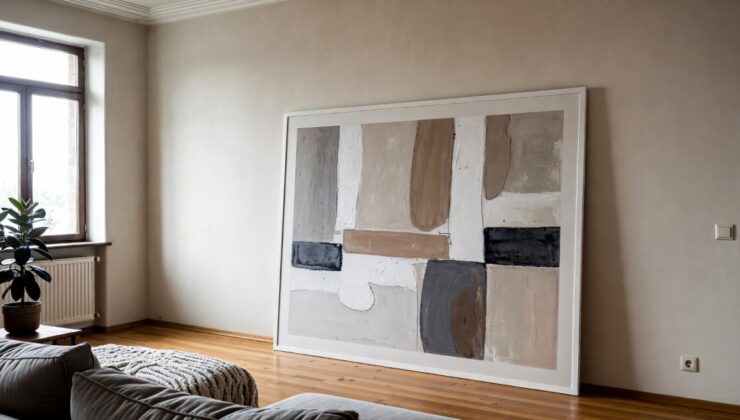
Renting comes with a quiet rule most people never write down: don’t make holes you’ll have to patch later. It’s a small restriction that ends up shaping an entire home, because so much of what makes a space feel personal happens on the walls. People end up living for years in rooms that still feel like someone else’s, not because they don’t care, but because every drill and every nail feels like a decision they might regret at move-out inspection. The good news is that wooden wall decor doesn’t actually require a single hole to make a real difference, once you know which pieces to look for.
The Renting Problem Nobody Talks About
Landlords rarely ban decorating outright – they ban permanence. Paint, built-ins, anything screwed directly into drywall gets flagged, while almost everything else is quietly fine. The problem is that most decor is designed assuming permanence, which leaves renters either skipping wall decor entirely or hanging things with tape that fails and peels off the wall within a month. Neither option actually solves the problem. The room just stays half-finished, year after year, lease after lease, waiting for a version of home ownership that may or may not ever arrive, sometimes for the entire length of a lease.
What Works Without Touching the Wall
Leaning pieces solve most of this quietly. A tall wooden ladder shelf propped against the wall holds books, plants, or small frames without a single screw, and it looks intentional rather than temporary. Freestanding wooden panels do the same job as a mounted piece but rest on the floor or a shelf edge instead. Command strips have gotten good enough for lighter wooden pieces too – small trays, hooks, and thin frames hold fine without leaving marks behind. None of it looks like a workaround once it’s actually up on the wall. It just looks like the room was decorated on purpose, holes or no holes.
Making It Feel Permanent Anyway
The trick is committing to one or two pieces instead of scattering small items everywhere to compensate for not being able to nail things down properly. A single leaning shelf with a considered arrangement on it reads as far more finished than five taped-up prints that all fight for attention. Treat the setup the same way you’d treat something permanent – pick it with care, place it deliberately, and it stops feeling like a rental workaround almost the moment it’s finished.
Focus on creating a cohesive look rather than filling every empty space. Repeating natural materials, a consistent color palette, or a few complementary textures helps the room feel thoughtfully designed, even if every decorative element can be moved or removed. The result is a home that reflects your personality while remaining practical for future changes or moves.