Why every serious Trekker should consider a Night Observation Kit
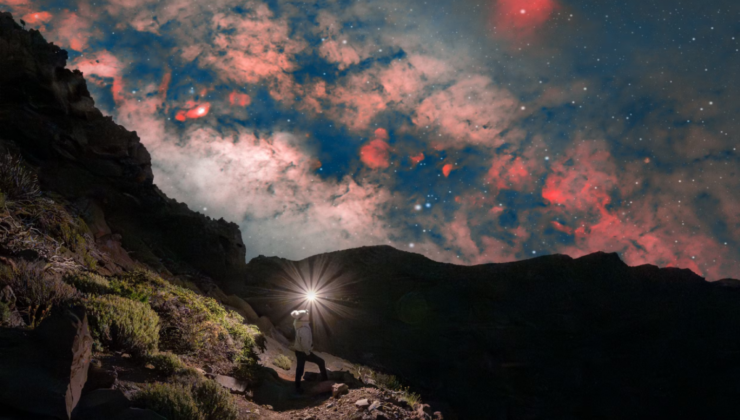
The Beauty of the Trail After Sunset
Most hiking tips implicitly assume that you will make it back to your car before nightfall. However, some of the best times on a trail occur after the sun has set over the ridge. The air chills, the masses disappear and a familiar route on the Blue Ridge or along a Shenandoah creek becomes something you’ve never quite seen before.
More advanced hikers have followed suit. A walk at dusk (or after dark by design) has become an adventure all its own – quieter, cooler on a hot summer night in Virginia – and full of noises you wouldn’t hear at home. The climb that punishes you at noon is a pleasant walk at eight, and the summit trades a hazy view for a star-filled sky.
Night hiking will require additional planning and equipment beyond a leisurely stroll in the afternoon. But it returns a version of the outdoors that most people never get to see – and that’s what makes doing it right worth it.
Essential Gear for Responsible Trekking
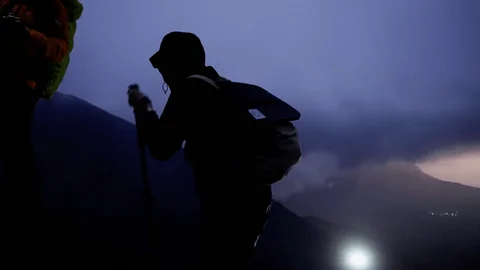
A responsible hiker is a prepared hiker, day or night. Just a few essential items make it into every pack for outdoor safety – and when the light goes out, they matter a lot. The little things in a kit you wouldn’t notice in the daylight are big problems on a night hike.
A good headlamp, and extra batteries, are essential – a headlamp that fails 2 miles in is a problem, not a choice. True navigation means a paper map and compass or a dedicated GPS unit, not a cell phone which is prone to losing signal and freezing in the cold. Bring a basic first-aid kit, a layer or two beyond what the afternoon temperature suggests, and more water than you would normally use during the day.
A few extras pull their weight after dark, too. Trekking poles will help you navigate rough terrain by feel, well broken-in shoes with good tread will help you stay upright on loose rock, and a whistle is inexpensive and will carry a long way if necessary. It’s no glamour, but the difference between a great night out and a call for help is being truly trail-ready.
Enhancing Your Outdoor Experience
The reason people are surprised when they go night walking is because what they saw all afternoon is completely different when it’s night time. The woods you know become alive with movement you can hear, but not see, and shapes flatten.
Modern optics is where the difference lies, and the two lenses accomplish different things. A thermal monocular senses body heat, which means that it will identify a deer in the brush or a bear you would rather give a wide berth — well before a headlamp would ever get to them. Night vision, on the other hand, will magnify the light that is already available and will assist you in reading the trail itself and ensure that you have firm footing on the rugged terrain.
Thermal imaging for hiking has gone beyond the novelty and into the realm of the practical for those who are intent on more than just viewing animals. When you’re considering either thermal or night vision optics designed for use in the backcountry, exploring options from the best night vision optics brand is a helpful place to start, allowing you to compare what each type of optics can provide so you can choose the most suitable gear that matches your type of trail rather than simply overbuying for trips that you may never do.
Safety First: Tips for Nocturnal Navigators
Technology can’t replace judgment; it only supports it. A handful of rules keep safety from becoming an afterthought.
Use marked trails: bushwhacking is hazardous in daylight, so it’s even more dangerous at night. Practice at home, NOT at the trailhead, so you know your gear without fumbling around by feel. Let someone know exactly where you will be going and your estimated time of return, and follow through on it. And maintain a proper distance from the wildlife you encounter; the idea is to observe animals as they go about their night, not to invade it.
Keep an eye on the weather, too, and the clock. Temperatures fall faster after dark than people expect, an easy route takes longer when every step needs care, and turning back early always beats pushing on once conditions sour. Preparation and common sense are the most important tools in your arsenal; everything else is a consequence.
Experience Nature from a New Perspective
Virginia’s trails do not close at dusk, but rather they switch the roles on beauty. Hiking them at night brings out the best in the prepared and the worst in the careless – that’s just the way it should be. Whether you’re on a ridgeline of the Blue Ridge or on a more secluded route in a quirky corner of the Valley, there are plenty of trails to explore in a new way.
So construct your kit, familiarize yourself with your route, and respect the nature around you, and get out there with confidence knowing you are prepared. The trail you’ve hiked a dozen times during daylight hours is waiting to reveal itself to you — and, hiked carefully, nothing can be more rewarding than hiking after dark.