How Trim and Moulding Add Character and Polish to Any Living Room
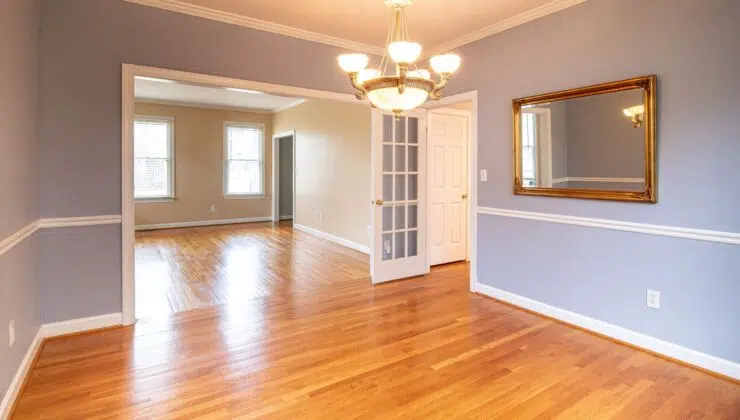
A living room carries much of a home’s personality. It receives daylight, movement, furniture, and conversation in one shared space. Where walls meet floors, ceilings, doors, and windows, small finish choices affect the whole room. Trim brings order to those edges. Moulding adds shadow, scale, and craft. Used with care, these details help a plain living area feel settled, refined, and quietly complete.
Quiet Detail
Clean borders help the eye read a room with ease. Around windows, doors, floors, and ceilings, trim and moulding define transitions that might otherwise look unfinished. These lines can frame daylight, emphasize height, and connect older construction with newer finishes. Even a modest profile gives drywall, flooring, and furnishings a stronger sense of intention.
Strong First Impressions
People often register the room as a whole before seeing individual materials. Crisp casing, level baseboards, and well-scaled crown profiles signal care. That effect does not require heavy ornament. In many living rooms, the best trim stays quiet. It supports the furniture plan, lighting, and wall color while giving every edge a finished presence.
Better Proportion
Some living rooms feel stretched, compressed, or boxy because the surfaces lack visual breaks. Moulding can correct that imbalance. Crown softens the upper corner of a tall room. Chair rail divides long walls at a comfortable height. Panel moulding gives a broad blank area rhythm. The result is a space with clearer scale and better visual comfort.
Wall Character
Paint alone cannot always cover a large wall. Applied panels, picture-frame moulding, or bead details introduce relief and shadow. Light catches those profiles differently from morning to evening. That changing depth adds interest to neutral rooms without relying on strong color. The wall begins to feel built, rather than simply covered.
Baseboards Matter
Baseboards shield lower walls from shoes, vacuum marks, chair legs, and cleaning tools. They also create a clean line where the flooring meets the paint. Taller profiles often suit generous ceiling heights. Smaller rooms usually benefit from slimmer boards. Correct sizing keeps the wall balanced instead of visually shortened or weighed down.
Framed Openings
Door and window casing behaves much like a picture frame. It draws attention to views, daylight, and passage between rooms. A wider casing can give a living room more substance. Narrower profiles keep sightlines lighter. Consistent casing across nearby areas also helps the home feel connected, even when paint colors or flooring materials vary.
Crown Moulding
Crown moulding bridges the ceiling and wall, where joints can look uneven. A carefully chosen crown can hide small irregularities while adding a refined upper boundary. Larger profiles suit formal rooms with higher ceilings. On the other hand, smaller versions fit relaxed spaces. Paint choice matters too; matching the wall feels restrained, while contrast creates a sharper architectural outline.
Material Choices
Material selection affects durability, finish, and cost. Pine remains common because it cuts easily and takes paint well. Poplar is another strong option for painted interior trim. Hardwood suits stained work where the grain is part of the design. Custom profiles can match older homes, replace damaged sections, or repeat a detail already present elsewhere.
Color Strategy
White trim is popular because it brightens edges and pairs with many wall colors. Warm off-white can soften traditional rooms. Deep trim colors create contrast and frame views with strength. Tone-on-tone paint feels quieter and more current. The right choice depends on flooring, daylight, upholstery, and the mood the room needs to convey.
Installation Quality
Fine trim depends on accurate installation. Tight miters, straight reveals, even caulk lines, and filled nail holes shape the final impression. Poor cuts can make expensive material look careless. Careful measuring also limits waste. During remodeling, checking wall flatness before installation helps reduce gaps, uneven joints, and awkward corner transitions.
Style Balance
Trim should respect the room’s architecture. A farmhouse living room may call for plain boards and a modest crown. A classic interior can carry layered profiles with deeper shadow. A modern space often works best with flat stock and crisp edges. Good design comes from proportion, repetition, and restraint, not from adding every available detail.
Long-Term Value
Finish carpentry improves both daily use and perceived quality. Clean trim often reads as evidence of careful maintenance. Homeowners also benefit from rooms that feel complete sooner, well before resale. Durable profiles reduce visible wear near floors, doors, and corners. That blend of function and beauty makes trim a practical investment.
Conclusion
Trim and moulding bring discipline to the busiest surfaces in a living room. They frame openings, protect vulnerable edges, guide proportion, and add depth without crowding the design. Strong results depend on scale, material, color, and clean installation. Whether the home feels classic, casual, or modern, well-chosen finish details can give a living area lasting character and polished architectural presence.