A Complete Guide to Drug Safe Packaging for Healthcare and Pharmaceutical Businesses
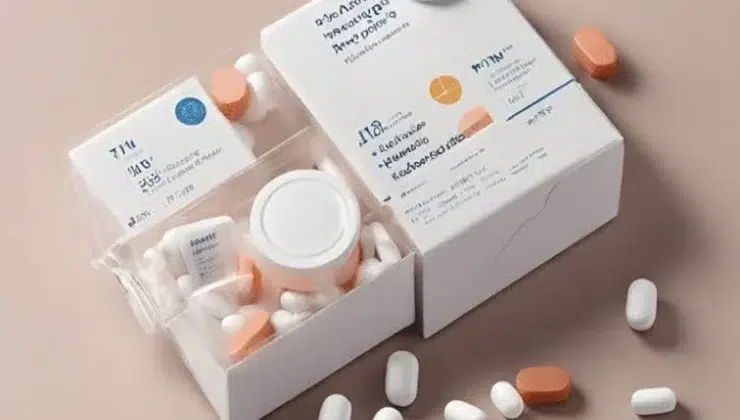
Packaging might not be the most glamorous part of pharmaceutical manufacturing, but make no mistake: it’s one of the most important. The right packaging keeps medicines stable, patients safe, and regulators happy. The wrong packaging? That’s a recall, a compliance breach, and a reputation hit waiting to happen.
If you work in pharma manufacturing, procurement, compliance, or clinical supply, this guide is for you. We’ll walk through everything that makes packaging “drug-safe”, why material choice matters more than most people think, and why glass packaging—particularly amber glass bottles—remains the gold standard for protecting sensitive formulations. Let’s get into it.
1. Why Drug-Safe Packaging Matters
Here’s the thing about pharmaceutical packaging: it’s not just a container. It’s the last line of defence between your product and everything that could degrade, contaminate, or compromise it.
Poor packaging causes very real problems. When packaging fails, you risk:
- Contamination from external bacteria, particulates, or chemical migration from the container itself.
- Degradation caused by light, oxygen, moisture, or temperature swings—any of which can reduce potency or render a product unsafe.
- Regulatory breaches that trigger recalls, fines, and a loss of market authorisation.
None of these are small. A single compromised batch can cost millions and, far worse, put patients at risk. That’s exactly why demand for secure, compliant packaging keeps climbing. As formulations grow more complex and regulators tighten their grip, businesses need packaging they can genuinely trust.
So the question isn’t whether you can afford robust packaging. It’s whether you can afford to skip it.
2. Regulatory Standards and Compliance in the UK and Beyond
Next, let’s talk rules—because in pharma, compliance isn’t optional.
In the UK, the Medicines and Healthcare products Regulatory Agency (MHRA) sets the standards for medicinal product safety, including packaging. Across Europe, EU Good Manufacturing Practice (GMP) guidelines lay out detailed expectations for how products are made, packaged, and controlled. Even post-Brexit, many UK manufacturers align closely with EU GMP to keep exports moving smoothly.
A few non-negotiables stand out:
- Packaging validation. You need documented proof that your packaging consistently protects the product across its shelf life. That means stability testing, container closure integrity testing, and material compatibility studies.
- Quality assurance. Every batch should meet defined specifications, with controls in place to catch deviations before products reach patients.
- Traceability and documentation. If something goes wrong, you must be able to trace a product back through the supply chain. Batch records, serialisation, and clear audit trails make this possible.
The takeaway? Compliance is built into your packaging choices from day one. Get the foundations right, and audits become a whole lot less stressful.
3. The Role of Material Selection in Pharmaceutical Packaging
Material choice is where good packaging is won or lost. The container you pick directly affects drug stability, shelf life, and safety—so it deserves serious thought.
Let’s compare the main contenders:
- Plastics. Lightweight, shatter-resistant, and cheap, plastics are popular for many applications. But they can be permeable to gases and moisture, may leach chemicals into sensitive formulations, and aren’t always ideal for long-term stability.
- Metals. Aluminium and tin offer strong barrier protection and durability, often used for ointments, aerosols, and certain tablets. The downside? They can react with some contents and aren’t suited to every product type.
- Glass. Inert, impermeable, and remarkably stable, glass packaging is the go-to for products that demand the highest level of protection.
For sensitive formulations—think injectables, liquid medicines, and reactive compounds—glass consistently comes out on top. It doesn’t interfere with what’s inside, and it holds up over time. That’s why so many manufacturers default to it for their most critical products.
4. Benefits of Glass Packaging in Healthcare
So why does glass earn such a strong reputation? Let’s break down what makes it special.
Chemical inertness and non-reactivity. Glass doesn’t react with the products it holds. There’s no leaching, no migration, no chemical interaction. What you put in is what you get out—which is exactly what you want when patient safety is on the line.
Superior barrier protection. Glass blocks moisture, oxygen, and other gases far better than most alternatives. This protects active ingredients from oxidation and degradation, keeping products effective for longer.
Recyclability and sustainability. Glass is endlessly recyclable without losing quality. As pressure mounts to reduce environmental impact, that’s a genuine advantage over many single-use plastics.
Broad compatibility. From liquids and powders to gels and reagents, glass works across an enormous range of pharmaceutical products. One trusted material, countless applications.
Add it all up and you’ve got a packaging solution that protects your product, supports your sustainability goals, and reassures your regulators. Not bad for something that’s been around for centuries.
5. Focus on Amber Glass Bottles
Now for a star player: amber glass bottles.
Clear glass is brilliant, but it has one weakness—it lets light through. Many pharmaceutical ingredients are light-sensitive, and exposure to ultraviolet (UV) light can break them down through a process called photo-degradation. That’s where amber glass steps in.
The deep brown tint of amber glass filters out harmful UV light, shielding contents from the wavelengths most likely to cause damage. The result? Better stability, longer shelf life, and a product that stays effective from the factory floor to the patient’s hands.
Amber glass bottles are ideal for:
- Syrups and liquid medicines that degrade when exposed to light.
- Essential oils, which oxidise and lose potency in bright conditions.
- Laboratory reagents that need precise, stable storage for accurate results.
The shelf-life benefits are significant. By minimising light-driven degradation, amber glass helps products maintain their integrity throughout their intended lifespan—reducing waste and protecting both your bottom line and your patients. If your formulation is light-sensitive, amber glass isn’t a nice-to-have. It’s essential.
6. Design Considerations for Drug-Safe Packaging
Choosing the right material is only half the battle. Smart design pulls everything together and turns a good container into a genuinely safe one.
Keep these design priorities front of mind:
- Tamper-evident closures. Patients and pharmacists need to see at a glance whether a product has been opened. Tamper-evident seals build trust and meet regulatory expectations.
- Child-resistant closures. For many medicines, these are a legal requirement—and a critical safety feature that prevents accidental ingestion.
- Accurate dosing and dispensing. Droppers, measured caps, and controlled-pour designs help patients take the right amount every time, reducing the risk of dosing errors.
- Labelling compliance. Labels must be clear, durable, and readable, carrying all required information without smudging or peeling. Compliance here is non-negotiable.
- Compatibility with filling and sealing systems. Your packaging needs to run smoothly on production lines. Poorly matched components slow down filling, sealing, and capping—and create costly bottlenecks.
Great design isn’t just about looks. It’s about safety, efficiency, and making life easier for everyone who handles the product.
7. Sustainability and Future Trends
The pharmaceutical industry is changing fast, and packaging is right at the heart of that shift. Sustainability, in particular, has moved from a nice gesture to a business priority.
Here’s where things are heading:
- Eco-friendly glass solutions. With its recyclability and inert nature, glass fits neatly into greener packaging strategies. Expect more manufacturers to lean into it.
- Circular economy thinking. Glass can be recycled again and again without quality loss, supporting closed-loop systems that cut waste and conserve resources.
- Lightweight and reinforced glass. Innovations are producing glass that’s lighter to transport (lowering carbon footprints) yet stronger and more break-resistant than ever.
- Smart packaging and digital tracking. QR codes, serialisation, and connected technologies are improving traceability, fighting counterfeiting, and giving patients better information.
The future of packaging is smarter, greener, and more connected. Businesses that get ahead of these trends now will be the ones leading the pack tomorrow.
8. Challenges and Risk Management
Let’s keep it honest—no material is perfect, and glass comes with its own considerations. The good news? Each challenge is manageable with the right approach.
- Breakage and handling. Glass can shatter, which raises concerns around transport and handling. The fix lies in reinforced glass, protective secondary packaging, and well-trained handling processes.
- Cost considerations. Glass can carry higher upfront costs than some plastics. But when you factor in product protection, reduced waste, and fewer recalls, the long-term value often outweighs the initial price tag.
- Supply chain integrity. Maintaining contamination-free, intact packaging across a complex supply chain takes diligence. Strong supplier relationships, quality checks, and robust logistics keep risks under control.
Smart risk management isn’t about avoiding glass—it’s about handling it well. With the right systems in place, the benefits comfortably outweigh the hurdles.
9. Conclusion
Drug-safe packaging is far more than a regulatory box to tick. It protects product integrity, safeguards patients, and keeps your business compliant and credible.
Here’s the quick recap:
- Poor packaging risks contamination, degradation, and costly regulatory breaches.
- Standards from the MHRA and EU GMP demand validation, quality assurance, and full traceability.
- Glass packaging stands out as the gold-standard material—inert, protective, and sustainable.
- Amber glass bottles add vital UV protection, making them essential for light-sensitive products.
- Thoughtful design, sustainability planning, and smart risk management complete the picture.
If you’re reviewing your packaging strategy, start with your most sensitive products and ask one simple question: is this container truly protecting what’s inside? For light-sensitive formulations, amber glass should be at the top of your list—and for critical products generally, glass remains hard to beat.