Digital Detox vs. Digital Balance: How to Find the Middle Ground Between Leisure and Screen Time
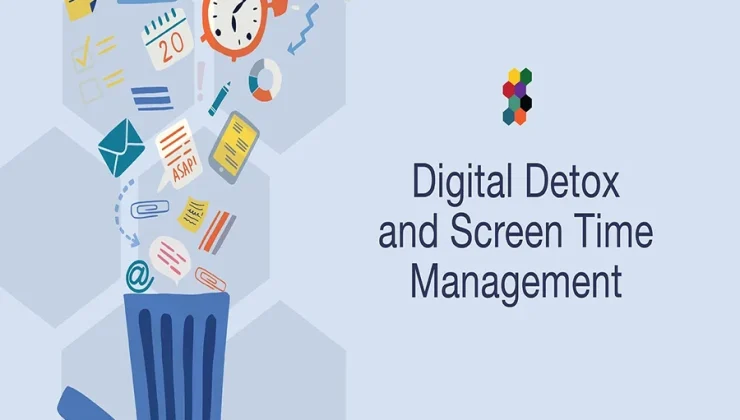
We now live in a world of screens. For most people, the only time they aren’t truly behind a screen is during sleep. And even that is after a final wind down scrolling through social media or watching one last episode of their favorite sitcom. From laptops at work, infotainment dashboards when driving and TV during leisure, we’re pretty reliant on our digital technology.
On the bright side, our screen-heavy and instant information culture has made us more connected than any other generation before us. Besides, our options are incredibly diverse and democratized. Whether it’s movies, news, sports, celeb gossip or work-related knowledge, you can have it at your fingertips as long as that information is available somewhere in the world.
Unfortunately, our digital reliance sometimes breeds overuse. But the big question is whether the solution to this psychological problem is a digital detox or digital balance, stepping away entirely or simply learning to use technology better. In this article, we explore which of these options is perfect for our age.
Exploring the Allure and Limits of a Digital Detox
A detoxification is a medical term that suggests the removal of harmful substances (toxins) from the body, typically as a response to substance addiction. In the digital sense, a detox is usually recommended when reliance on technology effectively becomes an addiction, and advocates for a digital detox often recommend quitting altogether.
One of the perfect examples of a digital detox is self-exclusion at online casinos. As the name suggests, the user voluntarily excludes himself from accessing casino sites over a period, up to five years. Top comparison and review sites like Casino.com in US spotlight casinos that offer digital detox-focused responsible gambling tools.
Interestingly though, these casinos also tend to introduce other balanced initiatives like deposit limits and reality checks. That way, you can enjoy the thrill of gambling any time you want while still ensuring healthy engagement.
However, what a digital detox does is offer a temporary solution to an unavoidable problem. So, in most cases, the individual simply relapses after a detox, with the addiction often worsening. According to recent studies, the positive effects of a digital detox only last for one to three months, with up to 72% of people relapsing due to fear of missing out (FOMO).
That’s not to say digital detox is entirely fruitless. In extreme cases, it can be helpful in shaping what a reality without dependence on mobile devices looks like. And at other times, a digital detox is fine for temporary breaks, probably due to mental or physical health challenges.
Put into proper perspective, here are some pros and cons of a digital detox.
Pros of a Digital Detox
- A digital detox can inspire quality sleep due to limited screen exposure before hitting the bed.
- With a complete detox, most people are forced to build human connections and improve their social life.
- Improved attention span from having to sit still without mobile distractions.
Cons of a Digital Detox
- As mentioned earlier, a detox is only a short-term solution and the benefits may fade quickly if underlying habits aren’t addressed.
- Some lifestyles or professions aren’t practicable with a digital detox such as daily logistics and finance.
- There’s the risk of losing out on important information as in many professional or social circles, information is circulated exclusively online.
Pitching Digital Balance as a Sustainable Alternative
Digital balance, by contrast, emphasizes that technology is not inherently harmful, rather, its impact depends on how it is used. So, avoidance is not the solution. Instead, users should achieve balance by focusing on integrating digital habits within the broader framework of physical and mental well-being.
Also, the demands of digital balance changes with context as not all screen-time is equal. So, individuals with heavy digital work demands wouldn’t see balance in the same way that those who spend much of their screen time doomscrolling. Overall, a balanced lifestyle would incorporate boundaries as opposed to bans, fully aware of the necessity of digital tools in today’s world.
Examples of practical strategies for achieving digital balance include auditing digital habits and identifying patterns that trigger guilt and emotional disconnect with other humans. Additionally, you can schedule offline times such as designating periods for exercise, reading or face-to-face conversations.
Concluding Remarks: Moving Beyond Extremes
The reason digital detox is seen as an extreme measure is pretty simple. Digital life is not going anywhere, but will instead get more advanced and, depending on your approach, serve more beneficial purposes. So, shutting yourself out for long periods won’t help you prepare for a time when digital technology—self-driving cards, robotic-powered logistics and augmented reality— becomes inevitable.
In a world where being connected is fast becoming unavoidable, the goal shouldn’t be to escape technology and become a caveman. Instead, the objective should be to make conscious lifestyle choices to co-exist with technology on your own terms.