The Weirdest Hobbies People Swear By (And Why They’re Good for You)
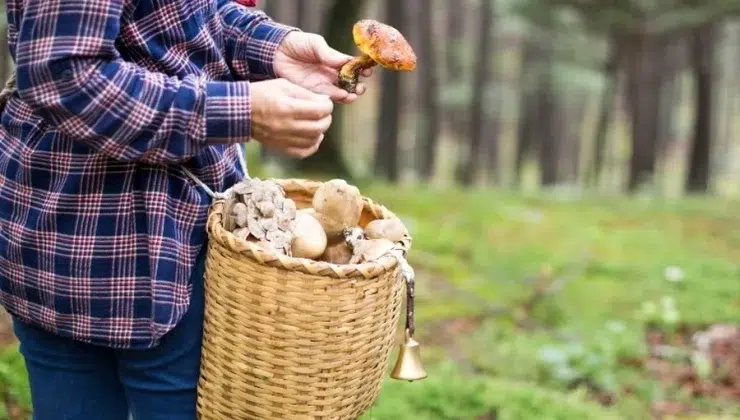
Scroll through any social feed long enough and you’ll notice something curious: people are proudly sharing hobbies that once felt niche, unusual, or even a little odd. In a culture increasingly driven by personalization and self-expression, quirky hobbies are no longer fringe; they’re becoming a meaningful way to unwind, learn, and reconnect with something tangible.
Let’s take a closer look at some of the strangest hobbies people swear by and why they might be worth your attention.
Why Unusual Hobbies Are Having a Moment
People are searching for activities that feel personal and immersive rather than passive. Unusual hobbies often meet that need because they:
- Require focus and patience, pulling attention away from constant notifications
- Offer a sense of progress that’s visible and satisfying
- Encourage experimentation without strict rules or expectations
- Create opportunities for storytelling and community
Unlike mainstream hobbies that can feel competitive or performance-driven, offbeat activities tend to be more forgiving. There’s no universal standard for success in mushroom foraging or lock picking as a pastime, which makes the experience more about curiosity than achievement.
1. Extreme Fermentation: Turning Food Into Science Experiments
Fermentation has been around for centuries, but modern hobbyists have taken it to new levels. Some enthusiasts experiment with everything from homemade kombucha flavors to aging vegetables in elaborate setups.
At first glance, it might seem strange to deliberately let food “sit and transform.” But fermentation offers a unique blend of creativity and science. It teaches patience, encourages trial and error, and rewards attention to detail.
Many people who pick up fermentation say it changes how they think about food entirely. Instead of seeing ingredients as static, they begin to view them as dynamic processes evolving over time.
2. Marijuana Growing: A Hands-On Hobby With Surprising Depth
Among the more unconventional hobbies gaining traction is marijuana growing. What was once viewed narrowly through a legal or cultural lens is now increasingly seen as a craft that combines horticulture, routine, and personal satisfaction.
Growing cannabis requires an understanding of light cycles, soil conditions, and plant care. It demands consistency and observation. For many hobbyists, that’s exactly the appeal.
The process often includes:
- Monitoring environmental conditions like humidity and temperature
- Adjusting nutrients and watering schedules
- Learning how different strains behave over time
- Observing subtle changes in plant health and growth
This level of engagement can make the hobby feel grounding. Instead of rushing through tasks, growers tend to slow down and pay attention to details.
Companies like Growers Choice Seeds have helped make this hobby more accessible by offering a wide range of genetics suited to different experience levels.
Those exploring specific varieties, such as Blue Lobster seeds online, can join growing communities as part of the broader learning process. Choosing the right starting point can shape how approachable the hobby feels, especially for beginners.
What makes marijuana growing stand out among quirky hobbies is its blend of technical skill and personal routine. It’s part science, part daily ritual, and that combination keeps people coming back.
3. Urban Beekeeping: Nature in the Middle of the City
Keeping bees in urban environments might sound counterintuitive, but it’s becoming increasingly common. Rooftops, balconies, and small gardens are being transformed into micro-habitats for pollinators.
Urban beekeeping appeals to those who want to reconnect with nature without leaving the city. It also offers a tangible outcome; honey, that reflects the surrounding environment.
The hobby teaches responsibility and observation. Bees respond to subtle environmental changes, which means beekeepers must stay attentive and adaptable. Over time, many hobbyists develop a deeper appreciation for ecosystems and seasonal cycles.
4. Miniature World Building: Creating Entire Universes in Small Spaces
Another unusual hobby gaining attention is miniature building; crafting tiny, highly detailed scenes that replicate real or imagined environments. These can range from dollhouse interiors to intricate cityscapes.
What makes this hobby compelling is the level of focus it requires. Every detail, from furniture placement to lighting, contributes to the final result. It’s a slow process that rewards precision and creativity.
People who build miniatures often describe it as meditative. The act of working on something small and controlled provides a sense of calm that’s hard to replicate in larger-scale projects.
The Hidden Benefits of Quirky Hobbies
While these hobbies may differ in practice, they share several underlying benefits that explain their growing popularity.
- Mental Reset: Unusual hobbies often require full attention, which can act as a mental reset. When you’re focused on nurturing plants or assembling a miniature scene, there’s little room for external stressors.
- Skill Development: Even the most unconventional hobbies involve learning. Whether it’s understanding plant biology or mastering fermentation techniques, these activities build knowledge over time.
- Personal Identity: Quirky hobbies allow people to express individuality. They’re less about following trends and more about exploring personal interests, which can feel more meaningful.
- Community Connection: Many of these hobbies have dedicated communities, both online and offline. Sharing progress, tips, and challenges creates a sense of belonging among people with similar interests.
How to Find Your Own “Weird” Hobby
If these examples spark curiosity, the next step is figuring out what might work for you. The best quirky hobbies aren’t chosen for their uniqueness alone; they’re chosen because they hold your attention.
Here are a few ways to start:
- Pay attention to what naturally interests you, even if it seems unconventional
- Start small and experiment without committing to perfection
- Look for hobbies that involve creating, growing, or building something
- Accept that trial and error is part of the process
The goal isn’t to become an expert overnight. It’s to find something that feels engaging enough to return to regularly.
Conclusion
The growing popularity of unusual hobbies says a lot about where culture is heading. People are moving away from passive consumption and toward activities that require attention, creativity, and patience.
Whether it’s fermenting foods, building miniature worlds, or growing cannabis, these hobbies offer more than just a way to pass the time; they provide structure, satisfaction, and a sense of personal connection.
Exploring something unconventional might feel unfamiliar at first, but that’s often where the value lies. The hobbies that seem the strangest on the surface can turn out to be the most rewarding, offering new skills, fresh perspectives, and a deeper sense of engagement with everyday life.