What You Need To Know Before Replacing A Power Cord
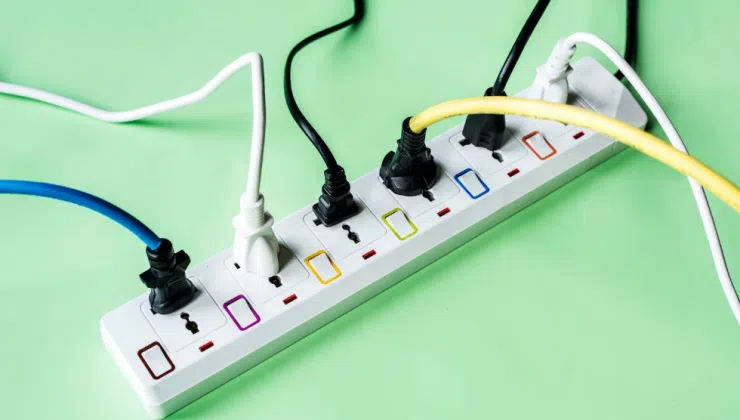
When a worn or damaged cable breaks the power feed in normal operation, devices can stop operating and may suffer damage. Loose plugs, exposed wires, and sudden shutdowns may pose serious risks in the long run, particularly if the issues go undetected.
The process of finding the appropriate replacement may seem challenging, as there are a lot of similar but very different ones in reality. Incorrect options can lead to overheating, reduced performance, or the destruction of valuable electrical appliances that rely on constant power.
Nevertheless, proper guidance can make the replacement process easier and less likely to commit expensive errors. You can make informed choices with confidence by having a better understanding of the types of cords, their ratings, and their conditions of use.
This understanding also helps with consistent performance, enhances safety, and makes sure your devices get steady power in varied configurations.
This article outlines six key points to know before replacing a power cord.
1. Device Power Requirement Check
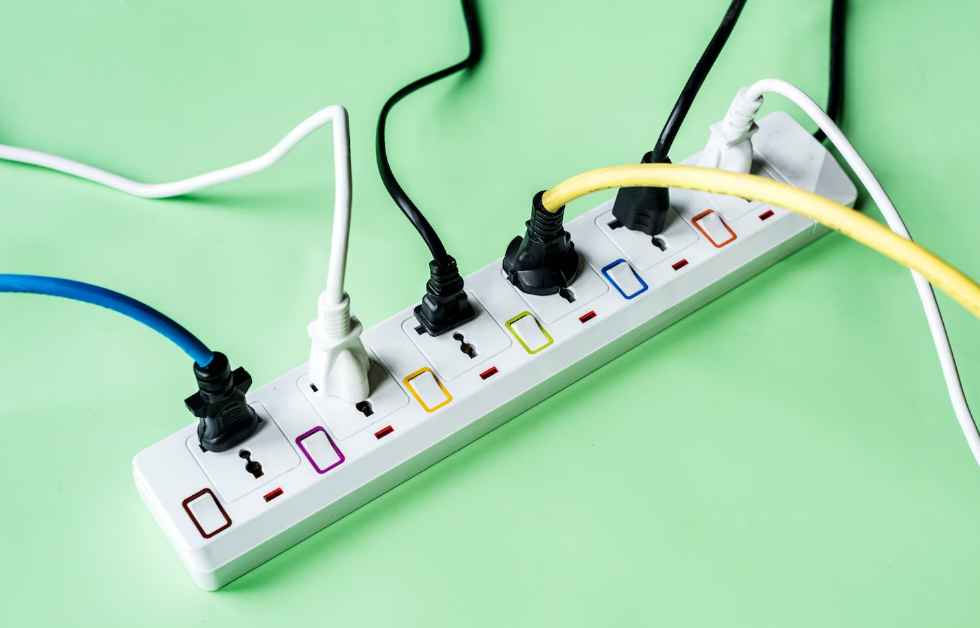
Each device needs a power cord that corresponds to its voltage and current rating in order to operate stably. Always verify the label on your device to ensure that your device has electrical needs before choosing any replacement option.
The improper cord may lead to overheating, poor performance, or internal damage in the long run. A lower-rated cord may not deliver enough power, and incompatible ratings can affect the performance of the device.
When equipment is highly powered, it may require heavier cables that can sustain higher electrical current without causing damage. Heavy-duty tools and industrial machines used in demanding configurations might need higher-voltage and more robustly insulated cords.
The matching of such values safeguards your equipment and helps maintain consistent performance with both home and commercial use.
2. Plug Type Compatibility
Each cord is designed with a particular plug design that fits into specific outlets and device ports. Always ensure that you use the correct plug to fit your socket to avoid loose connections or irregular electrical supply.
Standard plugs are used in household and office applications, while other designs can handle higher power or specialized equipment. Additionally, certain types of plugs have grounding capabilities that enhance protection and minimize electrical hazards.
Secure connections are useful in commercial settings to enhance stable performance over prolonged periods of use. In general, proper compatibility helps to ensure a consistent power supply and avoid interruptions.
3. Proper Cord Length Choice
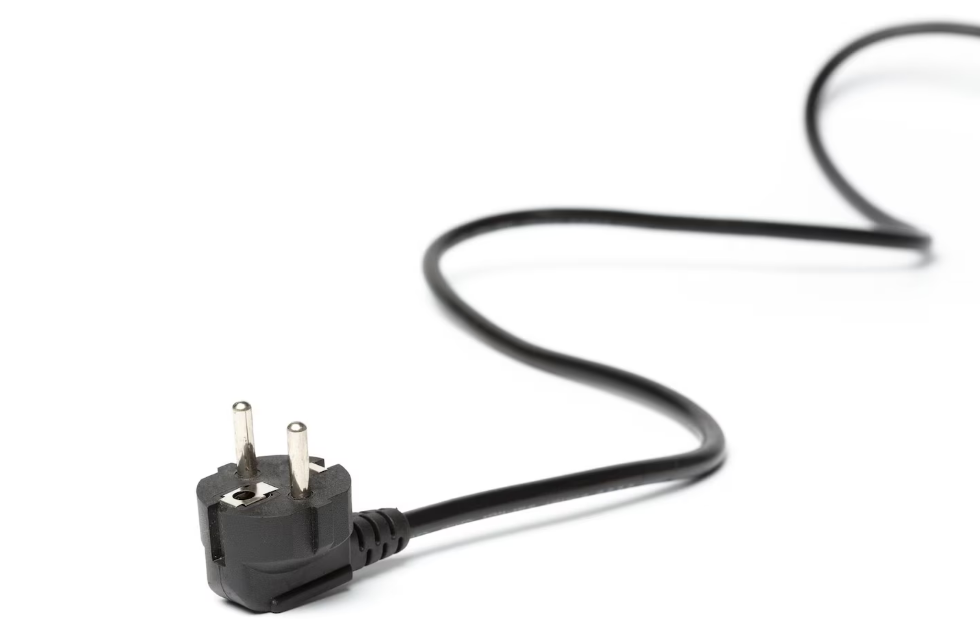
The length of the cords influences performance as well as overall setup safety in any setting. Before choosing a replacement option, make sure you measure the distance between your device and the power source. Allow some spare slack to ensure that the cord does not stretch when it is in normal use.
Short cords may cause tension and stress on connection points, which can damage them over time. Alternatively, the longer cords can be less efficient or pose a risk in workstations with high traffic.
Distribution of industrial and commercial arrangements in bigger areas may demand much longer distances, yet a correct rating is still necessary. Ultimately, the correct length enhances the layout flexibility, maintains the layout organized, and promotes safe and efficient power flow.
4. Usage Environment Factors
Various environments demand particular cord material and construction to ensure long-term use. Before choosing the cord, consider whether it will be used inside, outside, or in a harsh working environment.
Outside or industrial areas may require cables that are resistant to moisture, heat, and rough handling when used. Normal indoor cords might not work effectively in severe environments where more protection is needed.
Durable yet flexible insulation prevents damage to internal wires from friction, chemicals, or temperature changes. Good outer layers also minimize wear from repeated bending or movement when used daily.
The correct material contributes to a longer service life, greater stability in performance, and less frequent replacement under various conditions.
5. Safety Certification Importance
Certification ensures that a cord has been strictly tested and can be used in varied circumstances. Always choose alternatives that comply with established safety standards for electrical products.
Tested cords help minimize the risks of overheating, electrical shock, and fire during routine or excessive use. Quality checks help ensure that materials can withstand anticipated loads without collapsing over time.
Businesses in a commercial environment require certified products to ensure safe systems and operational standards are met. Regular use of certified cords also contributes to the avoidance of unforeseen malfunctions of vital systems.
6. Extra Feature Awareness
Some cords include additional features that support different setups and improve overall usability. Splitter designs allow multiple devices to connect to a single outlet in a controlled, efficient way.
Certain options are designed for higher-voltage equipment and demanding applications in commercial or industrial environments. Custom variations can offer specific lengths, colors, or connectors tailored to exact needs.
In business environments, standardized cords help maintain consistency across equipment and simplify maintenance. Understanding these features helps you select a solution that fits both simple and complex setups.
Bottomline
Replacing a power cord becomes easier when you focus on power requirements, plug compatibility, and the correct length for your setup. Attention to environment and material quality helps support long-term performance in both home and professional use.
Certification adds an extra layer of protection by reducing the risks associated with electrical faults or overheating. Additional features can improve flexibility, especially in setups that involve multiple devices or heavy equipment.
Following these key points helps you make better decisions and avoid common mistakes during replacement. A well-matched cord supports reliable operation, protects your equipment, and improves overall performance over time.