Legacy Management: Safekeeping Heirlooms During Life Transitions

Life often brings major shifts that force us to look at our belongings in a new way. Moving to a smaller home or handling an estate can feel heavy when you have years of collected items. These pieces hold stories and history that you want to keep safe for the future.
Managing a legacy means making smart choices about what stays and what goes. You can protect your family treasures without letting them clutter your daily life. It just takes a bit of planning and the right storage methods to keep everything in top shape.
Image Source: https://www.pexels.com/photo/close-up-photo-of-gold-round-coins-8442429/
Start With a Detailed Inventory
The first step in managing heirlooms is knowing exactly what you have. Go through each room and list items that have sentimental or financial value. Writing down the story behind a piece helps the next generation appreciate it more. A recent blog suggested that sharing the history of an object helps children value their inheritance. This process keeps the legacy alive long after the physical item moves to a new spot.
Sorting through a lifetime of possessions takes patience and a clear system. You might find items you forgot existed – like old letters or vintage holiday decor. Categorizing these finds helps you decide what needs climate control and what can go into standard boxes.
Storing Furniture and Large Decor
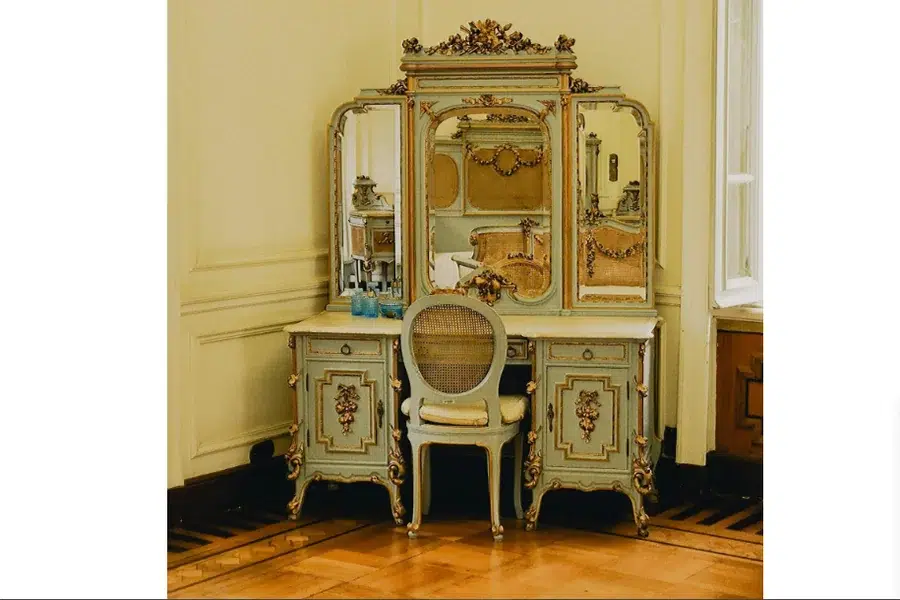
Bulky items like antique tables or heavy wardrobes take up a lot of space during a move. For residents in Prestons, having access to convenient self storage near Prestons is a practical way to keep these pieces safe while deciding on their final home. You should always clean furniture before putting it away to prevent damage from dust or oils.
Furniture often carries the most weight in a legacy plan. A dining table isn’t just wood – it is where decades of family dinners took place. If your new home is too small for these pieces, storage provides a middle ground.
Safe Document Management
Paper records are often the most fragile part of a family legacy. Birth certificates, old photos, and property deeds need protection from light and moisture. One guide recommends keeping three copies of important records in different spots. You might keep one at home and one in a secure, fireproof location. Digital copies are great for daily use, but original physical documents need a stable environment to survive for decades.
Protecting these papers is about more than just physical safety. They are the proof of your family’s journey and achievements. When you store them properly, you ensure that future generations can trace their roots accurately.
Handling Real Estate Transitions
Moving out of a family home is a big change for everyone involved. Communication is a massive factor in making sure assets move to the next generation smoothly. You need to align your goals with those of your family members to avoid confusion later. Instead of rushing into permanent choices, try treating the transition as a temporary experiment. This gives you time to breathe and think about what really matters in your new living situation.
Managing a property transition requires a balance of logic and emotion. It is easy to get stuck on the financial value of a home and forget the sentimental ties.
Strategic Legacy Modernization
Legacy planning is moving into a new era where tax and estate concerns drive many decisions. You have to understand how the current environment fits your long-term goals. This is true for both physical items and financial assets.
- Check the condition of your items every 6 months to catch issues early.
- Use acid-free boxes for clothing and textiles to stop yellowing.
- Tag every item with a name so the family knows who it belongs to.
- Keep a digital log of where every heirloom is stored.
- Take photos of fragile items to document their condition before storage.
Protecting Digital Identities
Modern legacies are not just about physical boxes and furniture. Digital identities and online accounts are now a huge part of what we leave behind. Some reports show that over half of organizations see disruptions because of old, unmanaged digital systems. On a personal level, this means your online photos and accounts need a plan too. Make sure someone has the “keys” to your digital life so these memories are not lost to a locked password.
Think about the thousands of photos stored on your phone or in the cloud. Without a plan, those images might vanish if the account is deactivated. You can set up legacy contacts on most major social and email platforms.
Keeping family history safe is a gift to the people who come after you. It turns a pile of old things into a collection of meaningful stories. By using secure storage and clear lists, you take the stress out of moving and downsizing. Your treasures stay protected, and your new home stays organized and comfortable. This balance allows you to enjoy your current life while honoring the past. With a bit of effort today, your family heirlooms will be ready for many more years of use.