Why Smarter Workforce Planning Is Becoming a Competitive Advantage for Modern Businesses
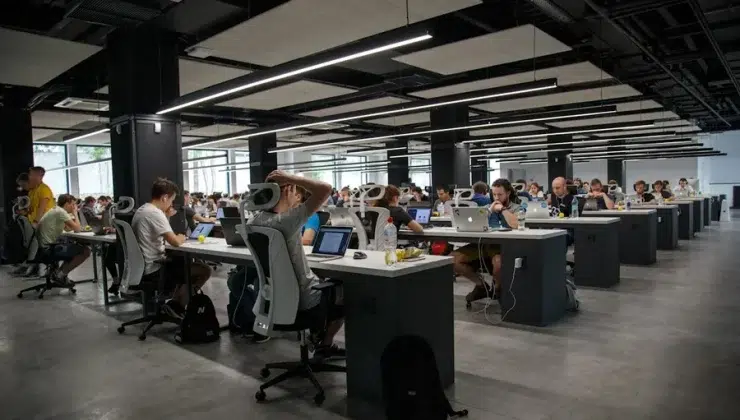
Modern businesses operate in an environment where efficiency, agility, and customer satisfaction determine long-term success. As companies scale and manage increasingly complex operations, leaders are discovering that planning their workforce strategically is just as important as managing finances or technology. Many organizations now rely on tools like workforce management and optimization software to better forecast staffing needs, balance workloads, and ensure that teams are scheduled effectively. These platforms allow managers to analyze staffing patterns, predict demand, and align employee availability with operational requirements.
The Growing Complexity of Workforce Operations
Workforces today are far more complex than they were a decade ago. Many companies operate across multiple locations, time zones, and digital platforms, making it increasingly challenging to manage employee schedules and productivity.
Traditional scheduling methods often rely on manual planning or outdated spreadsheets that fail to capture real-time changes. As a result, managers may struggle to keep track of employee availability, customer demand, and shifting operational priorities.
This complexity is especially noticeable in industries that depend on customer interactions, such as retail, financial services, and contact centers. If staffing levels do not match demand, businesses may experience long wait times, employee burnout, or missed revenue opportunities.
Smarter workforce planning allows organizations to monitor these variables more effectively. By analyzing trends in customer activity and employee performance, businesses can adjust schedules to keep operations running smoothly.
Data Driven Decisions Improve Operational Efficiency
One of the key reasons smarter workforce planning is gaining traction is the increasing role of data in business decision-making. Companies now collect large amounts of operational data that can reveal patterns in staffing needs, peak demand periods, and employee productivity.
When organizations use this data effectively, they can make informed decisions about how many employees should be working at any given time. This level of insight helps reduce inefficiencies that often occur when schedules are based on guesswork.
For example, predictive analytics can identify trends such as seasonal spikes in customer inquiries or recurring periods of low demand. Managers can then use this information to build schedules that better align with actual business activity.
Over time, these improvements contribute to measurable cost savings. Companies reduce unnecessary overtime, avoid overstaffing during quiet periods, and ensure that resources are allocated where they are needed most.
Supporting Employee Well Being and Engagement
While operational efficiency is important, smarter workforce planning also plays a major role in improving the employee experience. Workers are more likely to stay engaged and productive when schedules are predictable and workloads are balanced.
Poor scheduling practices often lead to employee frustration. Last-minute shift changes, inconsistent hours, and overwhelming workloads can quickly lead to burnout and high turnover rates.
Advanced workforce planning tools allow managers to consider employee preferences, availability, and work-life balance when creating schedules. This approach creates a more stable and supportive working environment.
When employees feel that their time and wellbeing are respected, they tend to perform better and remain with the organization longer. In the long run, this improves both morale and overall business performance.
The Link Between Workforce Planning and Customer Experience
Customer expectations have risen significantly in recent years. People now expect fast service, accurate information, and consistent support regardless of when or how they interact with a company.
Meeting these expectations requires having the right employees available at the right time. If staffing levels are too low, customers may experience long wait times or unresolved issues.
Smarter workforce planning helps businesses maintain the correct staffing levels to handle customer demand. By forecasting activity patterns, companies can ensure that trained employees are available during peak periods.
This level of preparedness leads to smoother customer interactions and higher satisfaction rates. Over time, improved service quality strengthens brand reputation and builds long-term customer loyalty.
Technology Is Driving the Shift Toward Smarter Planning
Technology has played a significant role in making advanced workforce planning accessible to businesses of all sizes. Modern software platforms integrate scheduling, forecasting, performance tracking, and analytics into a single system.
These tools give managers a comprehensive view of their workforce and operational performance. Instead of relying on fragmented information, leaders can monitor staffing levels, productivity, and demand in real time.
Automation also reduces the administrative burden on managers. Routine tasks such as schedule adjustments, shift allocation, and forecasting can be handled by intelligent systems that process large volumes of data quickly.
As technology continues to evolve, organizations that embrace smarter workforce planning gain a clear competitive advantage. They can operate more efficiently, respond to changing conditions more quickly, and maintain stronger relationships with both employees and customers.
Modern businesses are discovering that workforce planning is no longer just an operational task but a strategic capability. Companies that invest in smarter planning tools and data-driven insights can better align their workforce with business goals. By improving efficiency, supporting employee wellbeing, and delivering better customer experiences, organizations turn workforce planning into a powerful driver of long-term growth.