Key Factors to Consider Before Replacing Your Garage Door
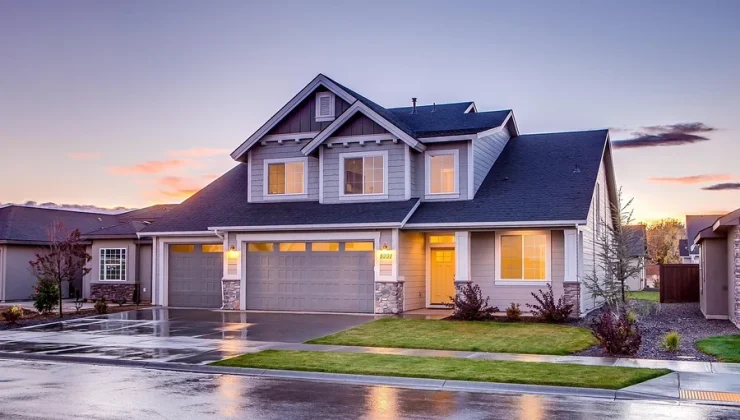
Upgrading your garage door is a practical way to improve both the look and performance of your home. It can instantly enhance curb appeal while also making your property feel more secure and easier to access daily. Many homeowners also see a strong return on investment, especially when the upgrade complements the house’s overall style. A well-chosen garage door can further improve insulation and perform better under changing temperatures, which is especially important in areas with seasonal shifts.
However, achieving these benefits requires more than simply choosing a design that looks appealing. A successful upgrade depends on careful planning, from selecting the right materials to evaluating existing hardware and structure. Taking the time to understand your home’s specific needs helps ensure the new door performs reliably and adds long-term value.
Planning Your Garage Door Replacement: What Homeowners Should Know
Before choosing a new door, it helps to step back and assess your priorities. Are you focused on energy efficiency, appearance, or long-term durability? Each goal influences your decisions on materials, insulation, and hardware. Thinking through these factors early prevents costly adjustments later.
Many homeowners also underestimate the complexity of the process. It involves precise measurements, proper alignment, and the safe handling of heavy components. Without the right approach, even small mistakes can lead to ongoing issues. If you are looking for services like garage door installation, there are many experienced professionals who ensure the system is installed safely and performs reliably over time.
Material Selection: Choosing the Right Balance of Durability and Maintenance
The material you choose will shape how your garage door looks and how much upkeep it needs. Steel doors are popular for their strength and low maintenance, while wood offers a classic appearance but requires regular care to prevent damage. Composite materials provide a middle ground, combining durability with a wood-like finish.
Climate also plays a major role in this decision. In areas with cold winters and humid summers, materials must handle expansion, moisture, and temperature swings. Choosing the right option helps prevent warping, rust, and premature wear, thereby extending the life of your investment.
Insulation & R-Value: Improving Energy Efficiency and Comfort
Insulation is especially important if your garage is attached to your home. A higher R-value means better temperature control, which can reduce energy costs and make nearby living spaces more comfortable. This becomes even more noticeable during colder months.
Beyond energy savings, insulation also helps reduce noise and protects items stored in the garage from temperature extremes. It creates a more stable environment overall, making your garage a more functional and efficient part of your home.
Spring System Compatibility: Matching Hardware to Door Weight
Your garage door’s spring system does most of the heavy lifting, so it needs to match the weight of the new door. Torsion and extension springs are designed with specific load capacities, and using the wrong type can lead to uneven movement or strain on the system. This is especially important if you are upgrading to a heavier, insulated model.
Old or worn springs can also become a safety concern. They may snap under pressure or fail to properly support the door. A professional assessment ensures that the correct springs are installed and calibrated, helping the door operate smoothly and reducing long-term wear on other components.
Opener Horsepower & Smart Technology Features
Not all garage door openers are built the same. Heavier doors require more horsepower to open and close without stress. Choosing an opener with the right capacity improves performance and prevents unnecessary strain on the motor over time.
Modern features also add convenience and security. Many systems now include smartphone access, real-time alerts, and remote monitoring. Battery backup is another key feature, especially in areas where storms or outages are common, ensuring you can still access your garage when power is down.
Structural Integrity: Evaluating the Garage Framework
Before installing a new door, it is important to check the condition of the supporting structure. Tracks, rollers, and mounting brackets should be free from rust, bending, or misalignment. Even small issues can affect how the door moves and lead to premature wear. Ensuring these components are in good condition helps the new system function as intended from day one.
The frame and header also need close inspection. Signs of rot, cracking, or shifting can compromise the installation. Addressing these problems in advance creates a stable foundation for the new system and helps avoid unexpected repair costs after the upgrade.
Making the Most of Your Garage Door Upgrade
A successful garage door replacement depends on more than just choosing a design. Material, insulation, hardware compatibility, opener features, and structural condition all play a role in long-term performance. Taking time to evaluate each factor helps you avoid common issues and ensures the system works as expected. Careful planning also allows you to make choices that align with your budget and long-term goals.
With the right planning and professional support, a new garage door can improve your home’s efficiency, safety, and overall appearance. It becomes a practical upgrade that adds both daily convenience and lasting value.