Medicare and Medicaid Fraud: How It Affects Everyone
Understanding the Scope of Healthcare Fraud
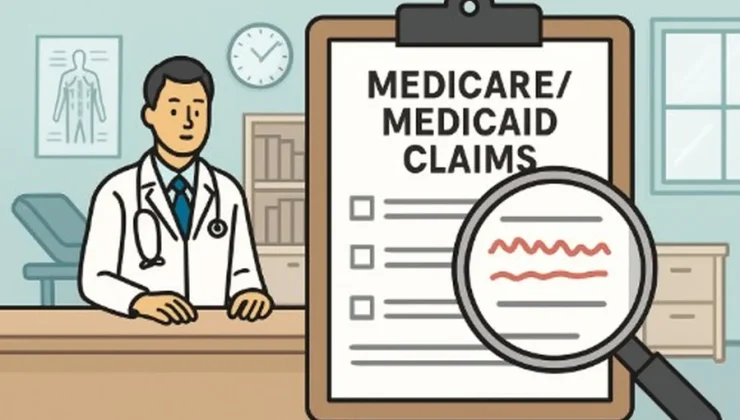
Healthcare fraud is a widespread concern in the United States. Medicare and Medicaid, the two largest government-run healthcare programs, are frequent targets of fraud. The impact of these crimes goes beyond just statistics, touching citizens in tangible ways. In 2023 alone, improper Medicare payments across various parts of the program exceeded $22 billion. Fraud, as a significant contributor to these losses, drains valuable resources that could otherwise be used to improve healthcare delivery for those in true need. If you have ever wondered how do you report Medicare fraud, understanding the process is vital for protecting our healthcare system. The ripple effects of healthcare fraud affect everyone, from the quality of service patients receive to the taxes every worker pays. When fraud is rampant, resources are redirected away from public health initiatives and necessary medical treatments. Damage to the system can even erode trust in programs designed to safeguard the well-being of the nation’s most vulnerable populations.
Fraudulent claims do more than siphon off funds. They can delay or deny legitimate claims, harming patients who rely on Medicare and Medicaid for essential care. Widespread fraud also makes it more difficult for authorities to ensure the right people receive timely, accurate care.
This issue has prompted calls for tighter oversight and stronger tools to identify and prosecute offenders. The annual cost of improper Medicaid claims is estimated at nearly $30 billion, demonstrating not only the scope but the urgency of this nationwide problem.
There are a variety of schemes used by those who seek to exploit Medicare and Medicaid. The most prevalent tactics include:
- Billing for Services Not Provided: Submitting claims for medical procedures or equipment that were never delivered to patients.
- Upcoding: Charging for more expensive procedures than were actually performed in an attempt to receive higher reimbursement.
- Falsifying Patient Information: Using stolen or fabricated identities to submit fake claims and collect illegitimate payments.
A striking example occurred in a 2025 Department of Justice investigation, which uncovered $14.6 billion in false claims submitted to both Medicare and Medicaid. These elaborate schemes often span state lines and involve multiple parties, making detection and prosecution challenging for authorities.
Clinicians, office staff, and even patients can be complicit in healthcare scams, further complicating efforts to stop fraudulent activity. Anyone interacting with these systems must be aware of the warning signs and committed to reporting suspicious conduct. The sheer size and complexity of federal healthcare programs present numerous opportunities for those willing to manipulate the system.
Financial Impact on Taxpayers
The taxpayer bears the ultimate cost of Medicare and Medicaid fraud. Medicaid fraud is estimated to account for 8 percent of all claims, equivalent to about $30 billion annually. That translates into increased government spending, which can impact everything from hospital budgets to the out-of-pocket costs faced by everyday Americans. According to The Associated Press, systemic fraud not only inflates costs but can undermine faith in public institutions and disrupt access to necessary healthcare for millions. Beyond finances, fraud also exacts a human toll. When funds are funneled away from patient care, vulnerable groups, especially the elderly and low-income populations who rely most on Medicare and Medicaid, are at risk of reduced services and support.
Government Initiatives to Combat Fraud
Federal and state governments have recognized the scale of the issue and continue to expand efforts to fight fraud. The Medicare Fraud Strike Force, a specialized multi-agency task force, has charged over 1,500 individuals across the United States with fraudulent billings totaling more than $5 billion since its formation. Efforts to identify suspicious billing patterns, audit high-risk providers, and strengthen penalties for offenders are ongoing. The Centers for Medicare & Medicaid Services (CMS) recently withheld nearly $260 million in Medicaid funding from Minnesota due to concerns about fraud, showing a commitment to holding even state agencies accountable. Enhanced training for auditors, improved standards for provider enrollment, and stricter oversight of claims processes are among the initiatives that are successfully identifying and eliminating fraudulent activities. Authorities are also working to close loopholes that previously allowed scams to flourish.
The Role of Technology in Fraud Detection
With the healthcare sector handling millions of claims each day, technology is an essential tool for identifying and preventing fraud. Recent advancements in machine learning and artificial intelligence have allowed government agencies and private insurers to analyze claims more efficiently and accurately. These systems can review claims in real time, comparing them against established norms to flag anomalies and suspicious behavior. Such technologies have proven effective at identifying class imbalances and evolving fraudulent tactics. According to an analysis published by The Associated Press, artificial intelligence has already begun saving the healthcare system billions by preventing fraudulent payments before they are made.
Public Vigilance and Reporting
Individual awareness and community involvement are critical in the broader effort to fight Medicare and Medicaid fraud. Programs like the Senior Medicare Patrols empower citizens to identify, report, and prevent fraudulent activities within their communities. These initiatives have returned over $129 million to Medicare and Medicaid since 1997, demonstrating the power of public action in defending the integrity of these essential programs. Education campaigns, workshops, and outreach efforts ensure that more people understand what fraud looks like and know how to respond. Being vigilant and willing to report suspicious activity is not only the right thing to do; it is also essential. Still, it can also directly help keep healthcare resources available for those who need them most.
Conclusion
Medicare and Medicaid fraud is a complex, damaging problem that affects everyone through wasted taxpayer dollars and compromised healthcare services. By supporting government initiatives, leveraging advanced technology, and encouraging community reporting, we can help preserve the integrity of these programs. The fight against healthcare fraud requires diligence, collaboration, and ongoing innovation to ensure a transparent and effective healthcare system for all Americans.