Why Gaps in Your Teeth Can Affect More Than Just Your Smile
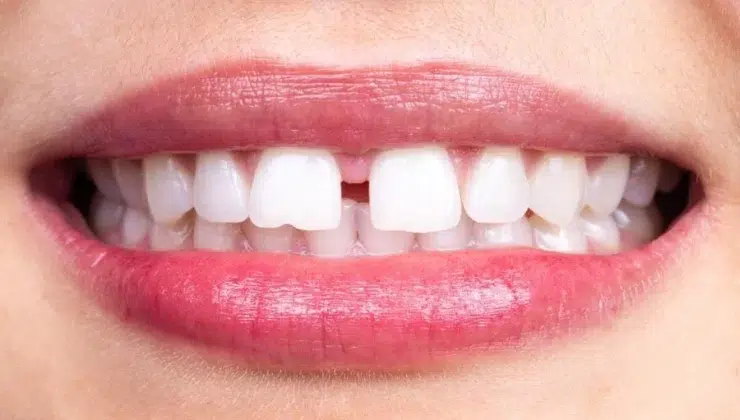
Everyone wants to feel confident when they smile. For many people, gaps between teeth are more than just a cosmetic issue. They can affect how a person speaks, eats, and even feels about themselves. Smiles are often the first thing people notice, and when something feels off, it can quietly influence daily interactions.
What starts as a small space between teeth can create bigger problems over time. Food can get stuck more easily, making brushing and flossing harder. Some people may hesitate to laugh or speak in public. These small changes can affect both physical health and emotional well-being.
Many people are now turning to restorative solutions like dental implants, which experts recommend for long term stability and confidence. Understanding why these gaps matter helps people make smart choices about their dental health and overall quality of life.
The Hidden Impacts of Tooth Gaps
At first, a small gap between two teeth might not seem like a big deal. But the effects of tooth gaps often go beyond just appearance. The mouth works as one connected system, and even a single missing or widely spaced tooth can affect the whole structure.
Shifting and Movement of Surrounding Teeth
When there is too much space between teeth, the nearby teeth may slowly move out of place. This can lead to uneven alignment, making it harder to chew comfortably or keep teeth clean. Over time, the bite may shift, and the upper and lower teeth may not fit together properly. These changes can cause uneven wear on teeth, jaw discomfort, or difficulty biting certain foods.
A shifting smile can also affect facial structure. Without the right support from teeth, lips can lose their natural shape, and cheeks may look slightly sunken. Even though these changes happen slowly, they can impact how a person sees themselves and influence social interactions. Over time, these small shifts can have a lasting emotional effect.
Gum Health and Bacterial Build-up
Spaces between teeth often trap tiny bits of food that are hard to brush away. When bacteria build up in these areas, they can irritate the gums, causing redness, swelling, or bleeding. If this continues, it can develop into gum disease, which affects both the gums and the bones that hold teeth in place.
Gum sensitivity and discomfort can make it harder to enjoy certain foods or drinks. Some people hesitate to smile or speak because they worry about showing red or swollen gums. Addressing these gaps early can help protect long-term oral health.
Difficulty in Speech and Daily Function
Gaps in teeth can also affect speech. Certain sounds, especially those made by the tongue touching the teeth, may become harder to pronounce clearly. This might not be obvious at first, but small changes in speech can lead to self-consciousness.
Eating can also be more challenging. Food may not be chewed evenly, which can strain other teeth and even affect digestion. These subtle difficulties can influence daily comfort and confidence over time.
The Emotional and Physical Toll
Gaps between teeth are not just a physical issue. They can also affect how people feel about themselves. Feeling hesitant to smile or laugh freely can slowly influence how someone connects with others and shares their emotions.
Confidence and Social Interaction
For many, a smile is important for first impressions. People may hold back in photos, avoid direct conversation, or practice different ways to smile to hide the gaps. Over time, this small insecurity can lower self-esteem and make social situations feel harder.
The effect is often quiet but meaningful. Someone might hesitate at job interviews or social events, not because they lack confidence, but because they are self-conscious about their teeth. This subtle worry can sometimes stop them from showing their true personality. The effect is often quiet but meaningful. Someone might hesitate at job interviews or social events, not because they lack confidence, but because they are self-conscious about their teeth. This subtle worry can sometimes stop them from showing their true personality.
Jaw Pain and Bite Problems
When teeth shift into open spaces, the jaw’s natural alignment can change, putting strain on the jaw joints and making certain muscles work harder when chewing. Over time, this can lead to headaches, temple soreness, or jaw discomfort.
An uneven bite can also put extra pressure on some teeth, increasing the risk of chipping or cracking. These gradual changes can make simple things like eating or talking uncomfortable if left untreated.
Long-term Oral Health Implications
Gaps between teeth don’t just affect the teeth themselves; they can also impact the jawbone underneath. The bone needs pressure and stimulation from teeth to stay strong. Without it, the bone can weaken or lose density over time, subtly changing the shape of the jaw and causing more gaps.
Sometimes, these changes lead people to consider restorative treatments. Solutions like dental implants can restore both function and appearance while supporting bone health. Taking action early helps protect not just a smile, but the foundation that keeps it strong.
Moving Toward Lasting Solutions
Understanding why gaps between teeth matter is the first step toward doing something about them. Every situation is different, but modern dentistry offers many options to restore both confidence and oral health. Dental implants are among the most effective ways to replace missing teeth and close gaps permanently.
Taking that first step may feel intimidating, but the benefits go far beyond looks. A complete smile helps with clearer speech, better chewing, and healthier gums. Even more importantly, it brings back the natural ease of smiling without worry.
Gaps in teeth might seem small at first, but they can quietly affect both body and mind. Whether through preventive care or modern restorative treatments, addressing them can make a real difference in daily comfort and confidence. Every smile deserves to feel whole and healthy, inside and out.