What Professional Caregivers Notice That Family Members Miss
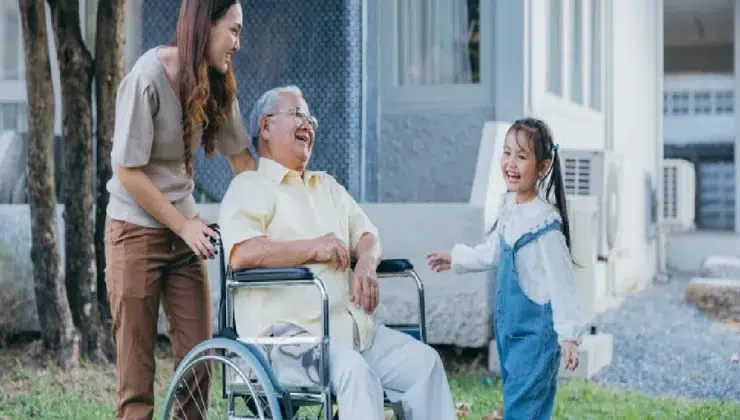
Caregivers consider their charges as “mom” or “dad,” just as other family members do. But the difference is that relatives grow accustomed to gradual decline over time, while caregivers enter the scene with trained, unfamiliar eyes. Thus, many subtle signs that caregivers pick up on are things that relatives have grown accustomed to and no longer recognize.
The Gradual Physical Signs That Occur Over Time
Weight loss is a gradual phenomenon that many relatives fail to recognize until it’s too late. When someone sees their mom every other week, they might not recognize the one pound here and two pounds there on a consistent basis. But professional caregivers recognize that if someone is losing weight for no reason, it may be a sign of trouble, difficulty in swallowing, depression, medication side effects, early onset of disease. Thus, the caregivers are trained to notice clothing that fits differently than before, and faces that look drawn.
Family can sometimes see it, but they become accustomed to it and fail to recognize anything needing help. Such as a gait. As people age, they walk differently. If someone sees their parent slowly become their caregiver, they may not realize the slow shuffle, the additional stance width for balance or the frequent reaching for furniture to stabilize themselves upon walking are all fall risks. Services that provide Pittsburgh home care have their staff trained to recognize these signs for what they are before they become something needing a trip to the ER.
Tremors in the hands are also something caregivers notice. Relatives brush aside their family member’s inevitability of aging, but caregivers realize that it could be a sign of poor medication or neurological signs. Either way, it’s the caregiver who helps them button their shirt, or can’t open the medicine bottle, or struggles with grip strength to properly take their medication or prevent burns.
The Safety Hazards That Should Be Obvious But Go Unnoticed
Professionals perform informal audits of their environment every time they step into someone else’s home. The pile of mail collecting on the stairs is a trip hazard to a trained eye, not just a nostalgic remnant of notes from an old age. The bathroom rug slipping on the ceramic tiles, the dimly lit hallway, the extension cords spanning paths become glaring inequalities. Family members have walked by them a hundred times and just learn to live with it.
Kitchen safety is even more telling. Caregivers recognize rotten food at the back of a fridge, a pot on the stove that became burnt to shambles because no one acknowledged time passing or grease so thick on the stove it hasn’t been cleaned in months. These are not signs of poor house clearing, these are signs that someone cannot adequately prepare food for themselves.
Even the room itself tells caregivers how someone has been. If someone has always kept a clean home and suddenly, they can no longer do dishes or laundry, then professional caregivers note that something has been amiss and it’s not a sudden turn of selfishness.
The Medication Realities That Families Assume Are Fine
Then there’s the medication reality; families assume that Grandma is taking her medication as prescribed. Caregivers check the pill vials and find that the Monday/Tuesday pills from three weeks ago are still in the organizer, there’s two bottles of the same medication at the bottom of the filled cabinet because someone forgot they’ve already picked it up once, or half-finished bottles of medicine that should have been done weeks ago.
But it extends beyond this reality. Sometimes, seniors skip medications because they don’t tell their doctors about side effects they don’t like. Some cut pills in half because they’re saving them for something or forget the difference between the two unless caregivers connect with all their clients to differentiate.
The Social Decline That Overwhelms Silently
Too often families hear someone say, “I’m fine. I don’t need to go anywhere,” or “I’m too busy,” without realizing that they’re avoiding socialization. Professional caregivers realize there’s a pattern, no canceled plans, no hobbies pursued, no group outings planned anymore. They understand that socialization is key for positive cognitive development and stabilization of depression, and they realize when someone is avoiding socialization due to shame of social ability or concern, they won’t be able to maintain physical expectations.
Missed phone calls. Friends who used to come over but don’t anymore. A relative who spends most days alone watching television instead of reading books. All of these social aspects matter and contribute to psychiatric and physical manifestation outcomes.
The Cognitive Struggles That Families Just Call Aging
Finally, people chalk up repeated stories told by Mom to simple aging. They think Mom’s repeating a question because she wasn’t paying attention. But caregivers note how often someone completely loses their train of thought mid-sentence, if they cannot recognize a common problem to discussion, if their confusion comes more frequently or to more drastic conclusions.
What’s more, caregivers realize the difference between what’s normal and what should be referred to a doctor. They know because they’ve seen it across a number of clients and they understand what’s within acceptable limits and what is not.
Having a professional come into assess the situation does not mean family members did anything wrong. It means that love blinds people, and those trained have an easier time spotting gradual declines that familiarity fails to observe. Sometimes the best thing that families can do is acknowledge when that outside perspective is warranted.