What is the Difference Between a PDU and a UPS?
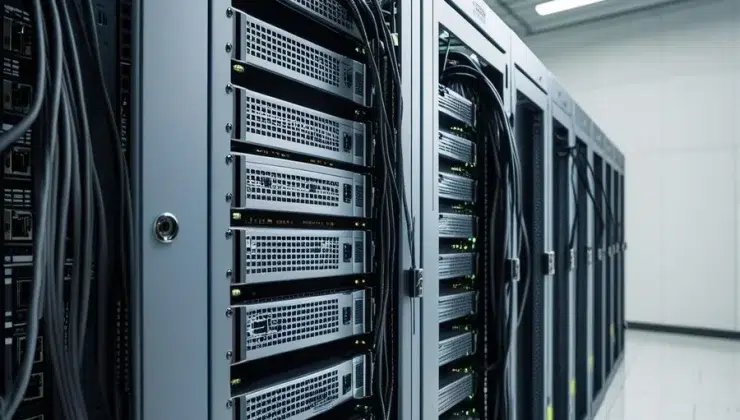
The server rack is a very valuable asset and the whole system of the server relies on one thing and that is quality power. One electrical incident can bring about expensive downtime, lost data and damaged hardware. It is no minor point, it is the basis.
Equipment requires electricity and that is known by everyone. However, there is a mix up between the two main devices which supply it, namely the Uninterruptible Power Supply (UPS) and the Power Distribution Unit (PDU). They are usually confused with each other, though they have a different purpose and each purpose is critical.
The difference will be well explained in this guide. In simple terms, the fundamental distinction behind a UPS and a PDU is that the former shields the power system against grid issues, and the latter balances the shielded power to suit all the rack equipment.
What Is a UPS?
Power from the wall is far from perfect—it’s often filled with surges, sags, and noise that can slowly damage or suddenly crash your expensive equipment. Plugging your servers and switches directly into it is a constant gamble.
This is where an Uninterruptible Power Supply (UPS) proves its worth. It’s much more than a big battery; it’s a dedicated guardian that sits between your gear and the unreliable grid. It handles two critical jobs to keep everything running safely.
First, it’s a power referee. The UPS actively filters the incoming electricity. It blocks dangerous spikes (surges), fills in momentary drops (sags), and cleans up electrical “noise.” This means your servers get only clean, stable power, which is crucial for their long-term health and reliability.
Second, it’s your instant backup. When the main power cuts out completely, the UPS switches to its internal batteries in a fraction of a second. This gives you precious time—anywhere from a few minutes to an hour—to safely shut down systems or keep things running until backup power, like a generator, can take over.
For your rack, you have two main choices:
- Rack-mount UPS: The integrated choice that installs neatly into your rack like another server.
- Tower UPS: A standalone unit that can be placed on a sturdy rack shelf or on the floor, often offering more power or better value.
In short, a UPS is your guarantee against poor power quality and sudden blackouts. It’s fundamental insurance for any professional IT setup.
What Is a PDU?
Your UPS delivers clean and safe power and a single output is insufficient to supply a full rack of equipment. The Power Distribution Unit (PDU) is needed at this point.
Imagine the PDU is the neutral point of power in that rack. It uses that one, safe feed of yours off of your UPS and delivers it effectively to all your servers, switches and other devices. Although a simple power strip is a clutter, an appropriate PDU systemats power distribution into a clear manageable circuit.
Modern PDUs come in three main types, each adding more control:
- Basic PDU: A reliable, heavy-duty rack-mount power strip. It provides multiple outlets in an organized format.
- Metered PDU: Adds a vital display showing real-time power draw. This lets you monitor consumption and avoid overloading circuits.
- Switched (Smart) PDU: Provides full remote control. You can power cycle individual outlets, monitor environmental conditions, and automate power sequences from a web interface.
In short, the UPS protects your power, and the PDU organizes and manages it, giving you complete control over how energy is delivered in your rack.
How to Choose Between a PDU and a UPS?
Now that we’ve broken down their individual roles, let’s talk about real-world use. The choice between a UPS and a PDU—or the decision to use both—isn’t about specs on paper. It’s about what you’re trying to protect and organize in your rack.
If your primary worry is sudden power loss—imagining your server shutting off mid-task or your network storage dropping offline—then your focus should be on a UPS. It acts as a dedicated safety net for your most critical gear, ensuring that a blip from the grid doesn’t become a crisis in your rack.
However, even the best-protected power is useless if it’s a mess to distribute. That’s where the PDU comes into the picture. Once you have more than a couple of devices, you’re faced with the practical problem of cables. A PDU solves this by turning a single protected power source into a neat, manageable panel of outlets. It’s the organizational counterpart to the UPS’s protective role, crucial for everything from servers to the tools you might stage on a rack shelf during maintenance.
In truth, for any serious setup, these devices work best as a team. The most reliable and professional approach follows a simple chain: clean and protect the power first with a UPS, then distribute it intelligently with a PDU. This combination covers you from both angles. For instance, a home lab might pair a tower UPS with a basic PDU, keeping things safe and tidy. A full business rack, however, would typically use a rack-mount UPS with a smart PDU, adding layers of remote control and monitoring. In any of these setups, don’t forget the supporting cast: blank panels are essential for maintaining proper airflow and cooling, which protects your investment in both power and computing hardware. And in some cases, like a simple network closet, a monitored PDU alone might be sufficient where brief outages are acceptable, but organization and load monitoring are still key.
Ultimately, the UPS guards against the chaos outside your rack, while the PDU brings order to the chaos within. Most of the time, building a robust system means investing in both.
Conclusion
By now, the picture should be clear. Your rack’s reliability doesn’t come from any single piece of hardware, but from how they work together. The UPS stands guard as the protector, filtering danger and providing a bridge during an outage. The PDU acts as the conductor, taking that clean power and delivering it with order and control.
Skimping on this foundation is a calculated risk—one where the math rarely works out in your favor. The combined cost of a proper UPS and PDU is almost always less than the price of a single emergency, be it lost data, fried hardware, or hours of frustrating downtime. This isn’t just an expense; it’s the first and most critical investment in a rack that won’t let you down.
So, take a look at your setup. Is your gear plugged directly into the wall or a jumble of retail power strips? Getting your power right isn’t the flashiest part of building a rack, but it’s what lets everything else inside it shine.