How Can Roofing Problems Impact Interior Spaces?
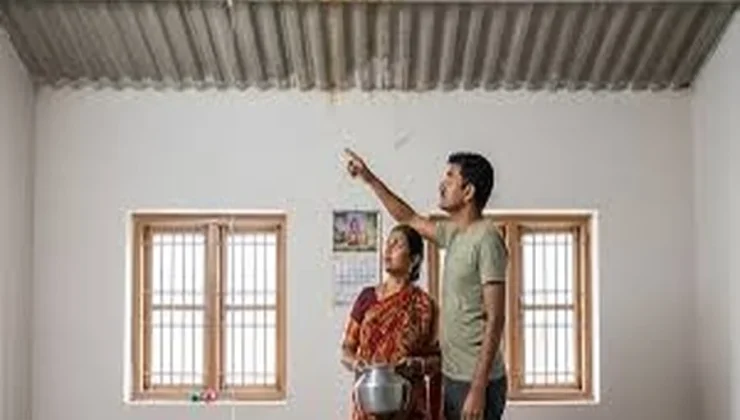
A roof is often treated as an exterior concern until something inside the home changes—stains appear on a ceiling, a room starts smelling damp, or temperature control becomes harder to maintain. Roofing problems rarely stay outside because the roof is part of the building’s protective envelope, working with insulation, ventilation, and structural framing to keep indoor spaces stable. When that barrier is compromised, moisture and heat move where they shouldn’t, and the interior becomes where the damage shows up first. Even small defects—lifted shingles, failing flashing, clogged valleys, or debris punctures—can create pathways for water intrusion or airflow leaks. Understanding how roof issues travel inward helps homeowners respond early, protect finishes, and prevent expensive repairs that spread beyond the roof surface.
From Roof Defects to Indoor Damage
-
Ceiling Stains, Hidden Leaks, and Slow Moisture Spread
One of the most common interior signs of roofing trouble is a ceiling stain, but by the time discoloration appears, water has usually been moving through building materials for a while. Moisture can enter at a small roof opening and travel along rafters or decking before dropping into insulation or drywall. This is why the stain might show up far from the actual leak point. Over time, wet insulation compresses and loses performance, drywall softens and begins to sag, and paint may blister or peel. The risk increases after repeated rain events because materials stay damp longer, creating a cycle of saturation and slow drying. Homeowners sometimes confuse these symptoms with plumbing issues, especially when stains appear near bathrooms, but roof leaks often follow storm patterns. Contractors from Summer Breeze Roofing and similar service providers often emphasize early inspection because interior staining is usually a late signal, not an early one. When moisture is caught early, repairs can be limited to targeted roof sections instead of extensive interior restoration.
-
Mold Growth and Air Quality Changes Inside the Home
When roofing defects allow moisture to persist, interior air quality can change even before visible damage appears. Mold growth often begins in hidden zones such as attic insulation, roof sheathing, and the back side of drywall. As spores circulate, occupants may notice musty odors, increased allergy symptoms, or persistent throat and eye irritation. This can be especially noticeable in tightly sealed homes where air exchange is limited. Moisture also supports the growth of dust mites and bacteria, adding to indoor discomfort. What makes roofing-related mold challenging is that the source may be intermittent: a leak that only occurs during wind-driven rain or after ice buildup can keep materials damp without obvious dripping. Attics pose a major risk because they often contain organic materials, such as wood framing and insulation paper facings. Addressing mold requires fixing the roof entry point and improving drying conditions; remediation inside the home becomes a temporary patch rather than a lasting solution.
-
Insulation Damage and Indoor Temperature Imbalance
Roofing issues can disrupt indoor comfort by damaging insulation and creating unintended airflow pathways. When insulation becomes wet, it loses its ability to resist heat transfer, which can make rooms feel hotter in summer and colder in winter. Even after insulation dries, it may remain clumped or compressed, leaving gaps that allow heat to move freely. Roofing problems can also worsen attic ventilation performance. If intake or exhaust paths are blocked or if moisture changes the attic environment, heat can build up, raising indoor temperatures and forcing HVAC systems to work harder. Some homeowners notice that one section of the house becomes difficult to cool, or that the upper floor stays warmer than expected, even when the air conditioner runs continuously. These comfort issues are not always caused by HVAC problems; they can originate above the ceiling line. A compromised roof can turn the attic into a heat trap or a moisture reservoir, undermining the home’s climate balance.
-
Structural Wood Rot and Long-Term Interior Risks
When roof leaks persist over time, structural components can deteriorate, and interior damage can increase. Wood decking, rafters, and trusses can absorb moisture and begin to rot, weakening the roof system’s ability to hold weight and resist movement. This can lead to sagging roof lines, cracked ceilings, and shifting drywall joints. In severe cases, prolonged moisture can compromise load-bearing points near walls, creating subtle interior cracking that homeowners may mistake for normal settling. Wood rot also attracts pests, including carpenter ants and termites, which can expand damage beyond the original leak area. The longer rot remains hidden, the more extensive repairs become, often requiring not only roof replacement sections but also interior framing reinforcement. Structural damage is one of the most expensive outcomes of neglected roof issues because it can involve both exterior reconstruction and interior restoration. Addressing roof leaks quickly is a direct way to protect the home’s structural integrity and avoid secondary interior repairs.
-
Electrical Hazards and Damage to Fixtures
Roof leaks can introduce safety hazards when water reaches electrical systems. Moisture that drips near ceiling lights, attic junction boxes, or wiring runs can create corrosion, shorts, or intermittent power issues. Homeowners might notice flickering lights after storms or tripped breakers without a clear cause. Water intrusion can also damage recessed lighting housings, ceiling fans, and ventilation fans, especially if insulation around those fixtures becomes saturated. In addition to direct electrical concerns, moisture can damage interior finishes—warping wood trim, bubbling paint, staining plaster, and ruining flooring if water travels down walls. Even small leaks can lead to repeated cosmetic repairs if the source of the roof isn’t corrected. Because water and electricity are a dangerous combination, any interior signs of moisture near electrical fixtures should be treated seriously. Roofing problems are often seen as “outside problems,” but their reach can quickly extend into areas where safety becomes a primary concern.
-
Condensation, Ventilation Issues, and Attic Moisture Cycles
Not all interior impact comes from direct leaks; sometimes, roofing problems contribute to condensation and poor ventilation that affect indoor spaces indirectly. If roof ventilation is inadequate, warm, moist air from the home can rise into the attic and condense on cooler surfaces, especially during colder months. This can reduce insulation, cause frost buildup, and later lead to water staining as temperatures fluctuate. Roofing defects, such as blocked soffits, improperly installed vents, or damaged ridge vent systems, can disrupt airflow that normally carries moisture out. Over time, this creates a moisture cycle that supports mold, weakens wood, and increases indoor humidity. Homeowners might notice windows fogging more often or feel indoor air becoming heavier. These issues highlight how roof performance is connected to the entire building envelope. When ventilation is corrected, attics stay drier, insulation performs better, and interior spaces feel more stable throughout seasonal changes.
Interior Protection Starts at the Roofline
Roofing problems can affect interior spaces gradually, invisibly, and costly if ignored. What begins as a small roof defect can lead to ceiling stains, mold growth, insulation failure, structural rot, and even electrical hazards inside the home. Because water and heat move through building materials unpredictably, interior symptoms may appear far from the original roof entry point, making early inspections and repairs essential. A healthy roof supports indoor comfort, protects air quality, and preserves the structural framework that holds the home together. When homeowners respond quickly to warning signs—stains, odors, temperature shifts, or attic moisture—they can prevent widespread damage and keep repair work focused and manageable. In the end, protecting the interior is often as simple as maintaining the roof before small issues become long-term problems.