Why Moving Changed How I See Everything
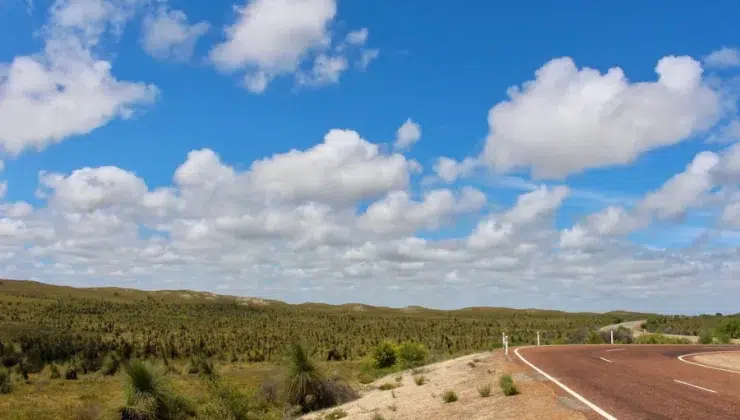
There is something that happens when you leave. When you pack a bag and point yourself toward somewhere unfamiliar. The world does not change but your relationship to it does. Suddenly you are paying attention to things you usually ignore. Noticing details that routine renders invisible.
I did not understand this until I actually did it. Until I stopped talking about travel as something I would do someday and actually got in a car and drove toward a horizon I had never seen.
What I found was not what I expected. The lessons had nothing to do with destinations and everything to do with motion itself. With the strange magic of being temporarily untethered from the life you have constructed.
The Myth of Readiness
We tell ourselves we will go when we are ready. When we have saved enough. When work slows down. When we have figured out the perfect itinerary and researched every possible contingency.
This is a comfortable lie. Readiness is a moving target that stays perpetually out of reach. There will always be reasons to wait. Always something that needs to happen first.
I left before I was ready. Before I had enough money or enough knowledge or enough confidence. I left because I realised that waiting for perfect conditions meant waiting forever. That the gap between wanting to go and actually going would only widen unless I forced myself across it.
The fear did not disappear once I started moving. It just became less important than the movement itself.
What You Learn on Empty Roads
The first thing I discovered was how much of my identity was built from context. From the apartment I lived in. The job I went to. The people who knew me as a particular version of myself.
Strip that away and you are left with questions you have been avoiding. Who are you when nobody is watching? What do you actually want versus what you have been told to want? What parts of your life exist because you chose them and what parts exist because you never questioned them?
These questions do not answer themselves. But the space to ask them matters. The quiet of unfamiliar places creates room for thoughts that crowded daily life keeps suppressed.
I spent a lot of time alone during that trip. More than I had ever spent before. It was uncomfortable at first. Then revealing. Then something close to necessary.
Freedom Has Infrastructure
Here is something nobody tells you about independence. It requires support systems that are easy to forget until you need them.
Freedom to explore remote places depends on knowing you can get help if something goes wrong. Freedom to take risks depends on having managed the risks you can actually control. Freedom to be spontaneous depends on having handled logistics that would otherwise constrain you.
This is not a contradiction. It is maturity. Recognising that genuine independence is not the absence of support but the presence of the right support.
Before my trip into a genuinely remote country, I researched what it would take to stay safe when mobile coverage disappeared. I learned about satellite communication. About vehicle tracking systems like Outback SafeTrack that let someone know where you are even when you are beyond the reach of normal networks. About emergency protocols for situations I hoped would never happen.
This preparation did not diminish the adventure. It enabled it. Knowing I had taken reasonable precautions freed me to be present in places I would otherwise have avoided.
The Speed of Perspective
Something shifts when you are moving through the landscape rather than looking at photographs of it. The scale becomes real. The distances become felt rather than abstract.
Australia is enormous. I knew this intellectually before I drove it. But intellectual knowledge and embodied understanding are different things. Spending hours watching scenery change gradually rewires your sense of time and space.
This rewiring matters more than it might seem. Our generation has been trained for speed. For instant information. For skipping to the next thing before the current thing has fully landed.
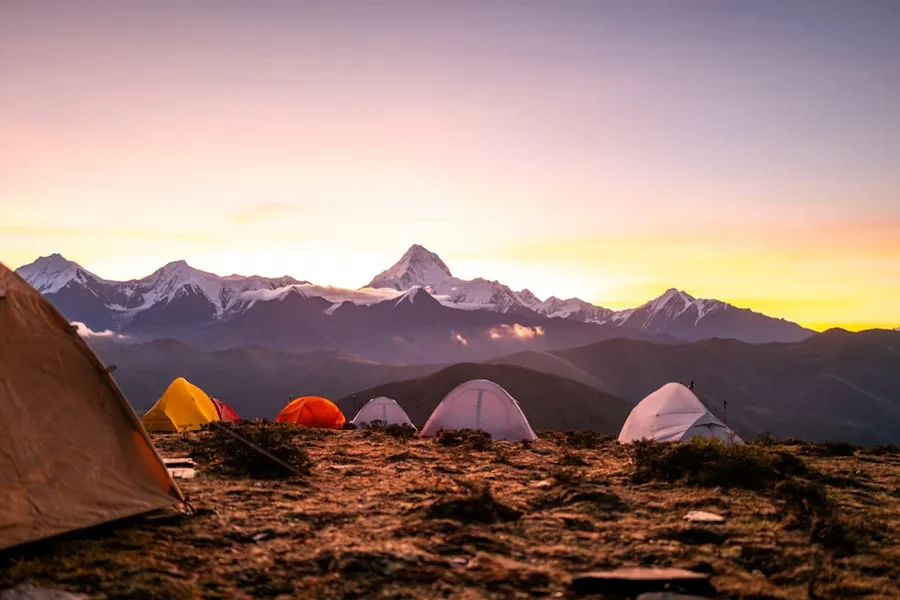
Moving slowly through a big country teaches patience that nothing else quite replicates. It creates tolerance for emptiness and silence that feels increasingly rare. It demonstrates that not every moment needs to be filled or documented or optimised.
I came back from that trip with a different relationship to boredom. What had previously felt unbearable now felt spacious. Like room to think rather than absence of stimulation.
The People You Meet
Travelling alone does not mean being isolated. It means choosing your company rather than accepting whoever proximity provides.
Some of the best conversations I have ever had happened with strangers at roadside stops and campgrounds. Something about the temporary nature of travel encounters removes the usual social calculations. You will probably never see this person again. There is nothing to gain or lose from honesty.
These conversations taught me things about different ways of living. About choices I had never considered. About perspectives that my normal environment would never have exposed me to.
A retired couple who had sold everything to live on the road full time. A young woman working seasonal jobs across the country with no fixed address. A family who had pulled their kids out of school to educate them through travel. Each conversation expanded my sense of what a life could look like.
Coming Back Changed
The trip ended eventually. They always do. I returned to the apartment and the job and the people who knew me as a particular version of myself.
But I was not the same person who had left. The container looked identical but the contents had shifted.
Some of the changes were obvious. New confidence in my ability to handle uncertainty. New appreciation for the scale and beauty of this country. New relationships with people I had met along the way.
Other changes were subtler. A loosened grip on plans and expectations. Greater comfort with not knowing what comes next. Different criteria for evaluating what actually matters.
These shifts have not faded with time. They persist years later, informing decisions I make without conscious reference to where they came from.
The Case for Going
I am not suggesting everyone needs to drive across the country. Movement takes many forms. A weekend somewhere unfamiliar can work the same magic as months on the road. The duration matters less than the willingness to leave comfort behind temporarily.
What I am suggesting is that waiting for perfect conditions is a trap. That the reasons to stay will always outnumber the reasons to go. That the only way to know what movement will teach you is to actually move.
Our generation faces pressure to have everything figured out. To follow prescribed paths toward prescribed destinations. To optimize choices based on metrics that someone else defined.
Travel offers something different. Not answers exactly. But better questions. And the space to sit with those questions long enough for something true to emerge.
What Remains
Years after that first real trip, I still think about the empty roads and the big skies and the conversations with strangers. Those experiences became part of who I am in ways I did not anticipate when I was living them.
The freedom I found was not freedom from responsibility. It was freedom to choose which responsibilities actually matter. To test assumptions about what I needed. To discover that I was capable of more than my normal life had ever required.
That knowledge does not expire. It sits there, available whenever I need to remember that I have navigated uncertainty before and can do it again.
This is what movement gives you. Not escape from your life but expanded sense of what your life could contain. Evidence that the constraints you accept are often more flexible than they appear.
The road is still out there. It always is.