Learn How eSIMs Quietly Revolutionized the Way You Stay Connected
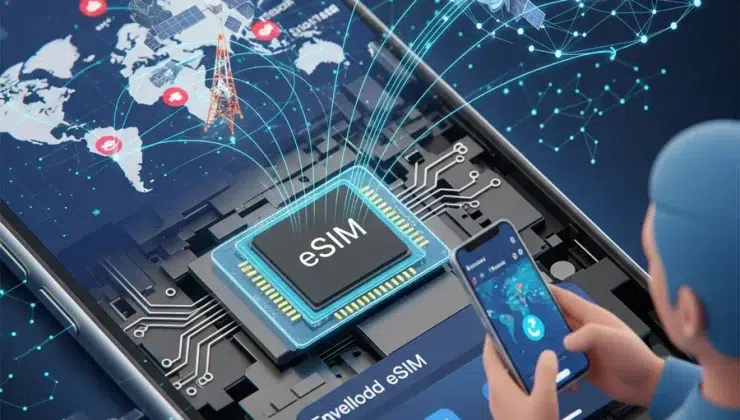
You probably already know this, but airports are full of people scanning QR codes instead of changing SIM cards. A GSMA report from 2025 says that this year, there will be more than 2.4 billion active eSIM connections worldwide. That is more than twice as many as last year, which shows that the eSIM is not just a fad. It is the future of mobile connectivity, and it will change how you use your phone, your data, and even how free you feel online.
What is an eSIM and why is it so common?
You can probably see why eSIMs became popular right away if you have ever had trouble with a SIM tray pin or worried about losing that small piece of plastic while traveling. An eSIM, which stands for “embedded SIM,” is a digital SIM built into your phone.
This small change may seem simple, but it has a huge impact. It reduces plastic waste, eliminates the need for physical logistics, and lets you manage your mobile life with just a few taps. Telecom companies like Unifi, Singtel, and Airtel have all gotten on board with the eSIM trend, letting customers activate their phones right away if they care about speed and sustainability.
The Growth of the Digital Nomad Way of Life
In 2025, working from home and doing business across borders will no longer be fringe ideas. You might be on a video call from Goa today and then flying to Kuala Lumpur tomorrow. That kind of mobility is easy with an eSIM. No more waiting for SIM cards to be delivered, looking for kiosks when you get there, or switching between work and personal phones.
eSIM technology also lets you use two SIM cards simultaneously. This means you can keep your home number active while using a local data plan while abroad. This flexibility is a lifesaver for professionals who need to stay connected at all times, especially those in global roles that require constant communication. It is not just easy; it gives you power.
How eSIMs Change the Way We Think About Safety and Sustainability
eSIMs have an underappreciated benefit beyond their flexibility: they are safe. You can copy or steal regular SIM cards, but eSIM profiles are encrypted and kept safe in the device’s hardware. This makes it harder for people to mess with them and easier to turn them off if your phone is lost or stolen. A 2024 McKinsey review of digital trends found that companies that used eSIM infrastructure had 40% fewer fraud-related incidents.
And then there is the green part. Mobile companies that go digital use less packaging, shipping, and plastic. It is a small but measurable step toward sustainable tech ecosystems, and it fits perfectly with the growing corporate push for net-zero operations. You might not think your choice of SIM card matters to the planet, but it does when you add it up with millions of others.
A Small Move Toward a Future Without Problems
It is easy to forget how big this change is. The shift from physical SIMs to eSIMs is similar to how music has moved from CDs to streaming, and how payments have moved from cash to QR codes. You are seeing another step in the digitization of daily life—a quiet revolution that gives you more control, ease, and trust.
The effect is even bigger in places like India, where people live mobile-first lives. eSIM technology works well with a generation that is quick to adopt new technologies and has many smartphones. It helps professionals, travelers, and business owners stay in touch with what matters most, whether they are working on a project that crosses borders or checking in with family who live far away.
The Future is Already in Your Hand
If you have a newer smartphone, it likely already has an eSIM. You do not have to “get” it; you must turn it on. And as networks around the world become more compatible, this change will happen even faster.
When you think about getting a new phone or going on vacation, remember that this tiny chip means more than just connecting to the internet. It is a way to achieve freedom, safety, and sustainability in a few lines of digital code.