Exploring Kyoto: A Cultural Travel Guide Beyond the Temples
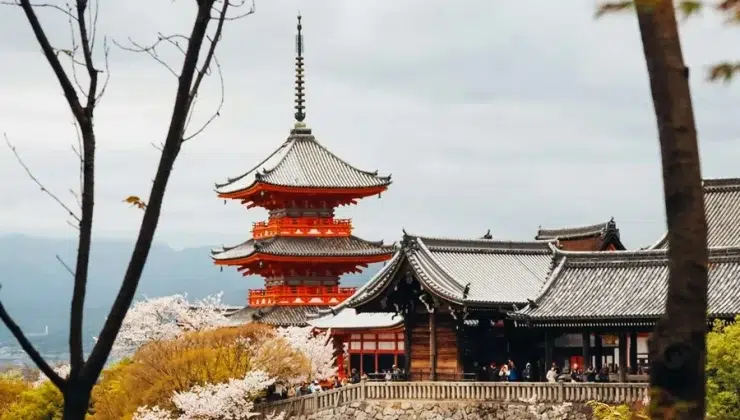
Kyoto is often associated with historic temples and traditional tea houses, but the city offers far more depth than postcard landmarks. Navigating Kyoto’s neighborhoods requires long walking days, and thoughtful travelers often carry essentials like lightweight bags and durable insulated water bottles to remain comfortable while exploring both ancient shrines and quiet side streets.
Beyond the Famous Shrines
Fushimi Inari Taisha, with its endless red torii gates, is a must-visit. However, Kyoto’s charm extends far beyond its most photographed sites.
Exploring lesser-known temples like Nanzen-ji or wandering through the Philosopher’s Path offers a quieter, more reflective experience. Early mornings are ideal for avoiding crowds and enjoying peaceful surroundings.
The Arashiyama District
Arashiyama’s bamboo grove draws international attention, but the surrounding area deserves equal exploration. The Togetsukyo Bridge, riverside paths, and hillside monkey park provide varied perspectives of the landscape.
Venturing slightly beyond the main path leads to smaller temples and serene gardens that feel far removed from tourist traffic.
Traditional Tea Houses and Markets
Kyoto’s Nishiki Market introduces travelers to regional flavors pickled vegetables, matcha sweets, and grilled skewers.
For a more traditional experience, visiting a tea house in the Gion district offers insight into centuries-old customs. The architecture alone wooden facades and lantern-lit alleyways feels immersive.
Seasonal Beauty
Kyoto transforms dramatically with the seasons. Cherry blossoms in spring attract visitors worldwide, while autumn’s fiery foliage creates equally stunning scenery.
Winter offers a quieter, more contemplative atmosphere, particularly in snow-dusted temple gardens.
Cultural Etiquette and Mindful Travel
Kyoto encourages respectful exploration. Observing local customs, speaking quietly in sacred spaces, and practicing mindful photography enhance the experience.
The city rewards those who move slowly and attentively.
Why Kyoto Leaves a Lasting Impression
Kyoto feels layered a city where history coexists with modern life seamlessly. Every alley, shrine, and garden holds depth.
It’s less about checking off landmarks and more about absorbing atmosphere.
The Deeper Cultural Experience of Kyoto
Kyoto offers a rich cultural experience that goes far beyond its famous temples. As travelers walk through its neighborhoods, they discover quiet streets, traditional wooden houses, and peaceful gardens that reflect the city’s long history. Scenic routes like the Philosopher’s Path provide relaxing walks surrounded by nature, while the Arashiyama district offers beautiful riverside views and unique attractions. Visitors can also explore Nishiki Market to taste local foods and learn about regional flavors.
Discovering Kyoto’s Hidden Cultural Beauty
Kyoto offers a rich cultural experience that goes far beyond its famous temples. As travelers walk through its neighborhoods, they discover quiet streets, traditional wooden houses, and peaceful gardens that reflect the city’s long history. Scenic routes like the Philosopher’s Path provide relaxing walks surrounded by nature, while the Arashiyama district offers beautiful riverside views and unique attractions. Visitors can also explore Nishiki Market to taste local foods and learn about regional flavors. Traditional tea houses in Gion show Japan’s historic customs and hospitality. With changing seasonal beauty and a calm atmosphere, Kyoto rewards visitors who explore the city slowly and respectfully.