What Facility Managers Need to Know Before Investing in Basketball Court Flooring
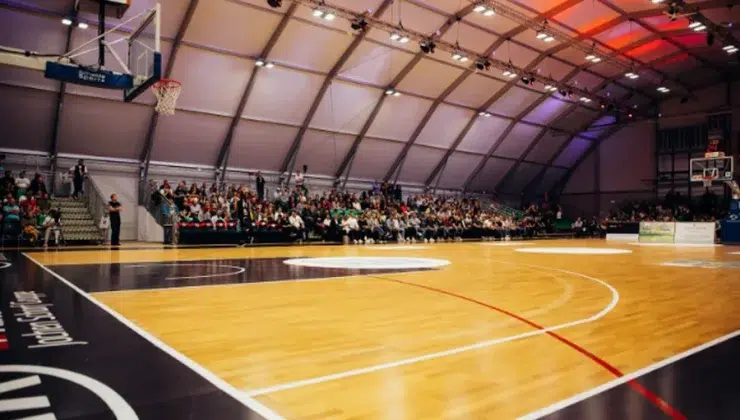
Choosing the right flooring for a basketball court is one of the most consequential decisions a facility manager can make. The surface beneath players’ feet affects everything from athletic performance to long-term maintenance budgets.
A poorly chosen floor can lead to injuries, constant repairs, and dissatisfied users. Understanding the key factors before committing to an investment helps ensure your facility gets the best possible return.
Understanding Your Facility’s Primary Use
Before exploring flooring options, clarify how your court will be used most frequently. A professional training facility has different requirements than a community recreation centre or school gymnasium.
Single-purpose basketball courts can be optimised specifically for the sport’s demands. Multi-purpose facilities need versatile surfaces that accommodate basketball alongside volleyball, badminton, and community events.
Consider peak usage times and the volume of foot traffic your court will experience. High-traffic facilities require more durable materials that withstand constant use without rapid deterioration.
Indoor vs Outdoor Considerations
The location of your basketball court fundamentally shapes your flooring options. Indoor courts offer controlled environments where temperature and humidity can be managed effectively.
Outdoor courts are exposed to sun, rain, and temperature fluctuations, which require weather-resistant materials. UV stability and drainage capabilities become critical factors for exterior installations.
Indoor facilities typically support a wider range of premium flooring options, including traditional hardwood. Outdoor courts generally require synthetic surfaces engineered to handle environmental stresses.
Key Performance Factors to Evaluate
Ball rebound consistency has a direct impact on gameplay quality and player satisfaction. Quality basketball court flooring delivers uniform bounce characteristics across the entire playing surface.
Surface friction affects players’ ability to stop, start, and change direction safely. Too little grip causes dangerous slipping, while excessive friction increases stress on joints and muscles.
Shock absorption protects players from the cumulative impact of running and jumping on hard surfaces. Proper force reduction minimises fatigue and reduces the risk of long-term injuries.
Player Safety as a Priority
Injury prevention should rank among your highest priorities when selecting flooring. The costs associated with player injuries extend far beyond immediate medical expenses.
Liability concerns make safety-focused flooring a sound business decision for any facility. Courts with inadequate shock absorption or inconsistent surfaces expose facility owners to potential legal action.
Look for flooring systems that meet recognised safety standards and certifications. Reputable manufacturers provide documentation demonstrating their products’ compliance with industry benchmarks.
Durability and Lifespan Expectations
Basketball flooring represents a significant capital investment that should deliver years of reliable service. Understanding realistic lifespan expectations helps facility managers plan budgets and replacement cycles.
Hardwood courts in professional settings can last decades with proper maintenance and periodic refinishing. Synthetic surfaces typically offer 10 to 20 years of service depending on usage intensity and care.
Request case studies or references from manufacturers showing long-term performance in comparable facilities. Real-world examples provide better guidance than laboratory specifications alone.
Maintenance Requirements and Costs
Every flooring type carries ongoing maintenance obligations that affect your operational budget. Some surfaces require daily cleaning protocols while others need only periodic attention.
Hardwood floors demand regular cleaning, periodic recoating, and eventual sanding and refinishing. These maintenance cycles require facility closures and specialised contractors.
Synthetic and modular flooring systems often feature simpler maintenance requirements. However, damaged sections may need replacement rather than repair, affecting long-term cost calculations.
Factor maintenance labour, equipment, and materials into your total cost of ownership analysis. The cheapest installation option frequently becomes expensive when ongoing care requirements are considered.
Installation Timelines and Disruption
Flooring installation temporarily removes your court from service, affecting programming and revenue. Understanding realistic installation timelines helps you plan around this unavoidable disruption.
Hardwood installations require extended timelines for subfloor preparation, plank installation, finishing, and curing. The entire process can take several weeks before the court is ready for play.
Modular and synthetic systems often install more quickly with less subfloor preparation required. Some facilities can return to operation within days rather than weeks.
Schedule installations during naturally slow periods to minimise impact on your programming calendar. Coordinate with contractors early to secure preferred installation windows.
Budget Considerations Beyond Purchase Price
Initial purchase price represents only one component of your total flooring investment. Facility managers must consider installation costs, maintenance expenses, and eventual replacement.
Premium flooring systems command higher upfront prices but often deliver lower lifetime costs. Cheaper alternatives may require more frequent repairs, refinishing, or early replacement.
Request detailed quotes that itemise all costs, including subfloor preparation, line marking, and finishing. Hidden costs frequently surprise facility managers who focus solely on material prices.
Explore financing options that spread capital expenses over the flooring’s useful life. Many manufacturers and distributors offer payment programmes designed for institutional purchasers.
Customisation and Branding Opportunities
Your basketball court offers valuable branding real estate for your facility or sponsors. Quality flooring systems accommodate custom colours, logos, and line markings.
School facilities often incorporate team colours and mascots into their court designs. Community centres and commercial facilities can feature sponsor logos that generate additional revenue.
Discuss customisation capabilities and costs early in your planning process. Some flooring types offer greater design flexibility than others.
Ensure any graphics or markings won’t compromise surface performance or durability. Reputable manufacturers integrate customisation without sacrificing playing characteristics.
Environmental and Sustainability Factors
Sustainability credentials increasingly influence purchasing decisions for public facilities. Many stakeholders expect facility managers to consider environmental impact alongside performance.
Look for flooring manufactured using recycled content or sustainable raw materials. Some manufacturers offer take-back programmes that recycle old flooring at the end of life.
Indoor air quality matters in enclosed gymnasiums where players breathe heavily during exertion. Low-emission flooring products protect occupants from volatile organic compounds.
Environmental certifications provide third-party verification of manufacturers’ sustainability claims. These credentials simplify reporting for facilities with formal sustainability commitments.
Evaluating Manufacturers and Suppliers
The company behind your flooring matters as much as the product itself. Established manufacturers with proven track records offer greater confidence than newcomers.
Research the manufacturer’s history, financial stability, and reputation within the sports flooring industry. Companies with decades of experience have refined their products through real-world feedback.
Evaluate warranty terms carefully, noting coverage periods, exclusions, and claim procedures. Strong warranties demonstrate manufacturer confidence in product durability.
Consider the availability of local support for installation, maintenance, and warranty service. Distant manufacturers may struggle to provide timely assistance when problems arise.
Making the Final Decision
Gather input from coaches, athletes, and maintenance staff who will interact with the flooring daily. Their practical insights often reveal considerations that purchasing specifications overlook.
Request samples and visit existing installations to evaluate flooring performance firsthand. Seeing and touching materials provides understanding that brochures cannot convey.
Document your decision-making process and the factors that influenced your final choice. This record proves valuable for future reference and helps justify the investment to stakeholders.
Conclusion
Investing in basketball court flooring requires careful analysis of performance, safety, durability, and cost factors. Facility managers who conduct thorough research position their organisations for successful outcomes.
The right flooring enhances player experience, reduces injury risk, and delivers reliable service for years. Taking time to understand your options ensures your investment meets both immediate needs and long-term expectations.
Quality basketball court flooring transforms your facility into a destination that attracts players, teams, and events. That reputation ultimately drives the utilisation and revenue that justify your investment.