XSmall Dog Harness Care Guide: How To Maintain Comfort And Durability
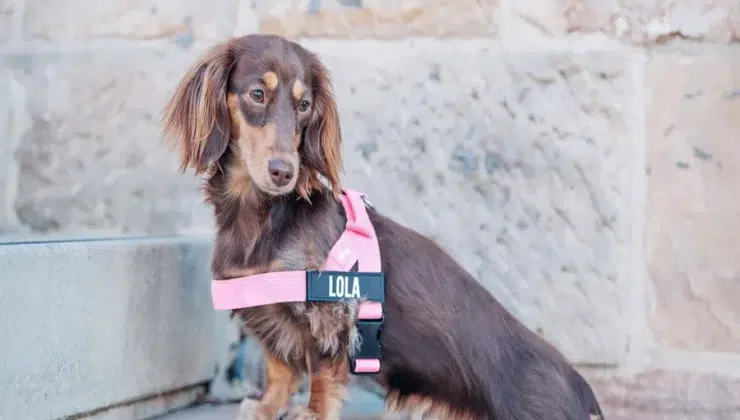
My friend has a four pound chihuahua named Pepper. Cute dog, very dramatic, wears a harness that probably costs more than my wallet. A few months ago she noticed Pepper was scratching at her chest after walks and acting uncomfortable whenever the harness went on. Turned out the padding had worn down to almost nothing and the inside of the straps had collected so much grime it was basically sandpaper against her skin. The harness looked fine from the outside. It absolutely was not fine.
Small dogs have small bodies and sensitive skin, and the gear they wear every day takes a beating. If you own a tiny dog and you’re not actively maintaining the harness, you’re probably already dealing with problems you haven’t connected to the harness yet.
Why Caring for an XSmall Dog Harness Is Different
A harness built for a tiny dog has very little material to work with. The straps are narrow, the buckles are small, and every component is working harder relative to its size than the same piece would on a larger harness. That means wear shows up faster, grime builds up in tighter spaces, and a small amount of damage goes a longer way toward making the whole thing uncomfortable or unsafe.
A xsmall dog harness also sits very close to the skin all the way around. There’s not much buffer between the fabric and your dog’s body. Dirt, sweat, dried saliva, and oils from the coat collect in the material and eventually that buildup causes irritation. You won’t always see it happening. Your dog will tell you with scratching, reluctance to wear the harness, or patches of red skin under the straps.
The good news is that keeping a harness in good shape is genuinely not complicated. It just requires doing a few simple things consistently instead of waiting until something looks obviously wrong.
How Often to Clean Your XSmall Dog Harness
Once a week is a good baseline for most dogs. If your dog swims, rolls in things, or sweats a lot on warm day walks, bump that up to every few days. If your dog mostly takes short clean walks in dry weather, once every ten days is probably fine.
The easiest method is hand washing in warm water with a small amount of mild soap. Nothing with heavy fragrance, nothing antibacterial, nothing that leaves a strong residue. Work the soap into the straps with your fingers, paying extra attention to the inside surfaces that sit against the skin. Rinse thoroughly because leftover soap causes just as much irritation as dirt does. Squeeze out the water, reshape the straps so they dry flat, and hang it somewhere with good airflow. Never put a xsmall dog harness in a dryer. The heat warps plastic buckles, shrinks certain fabrics, and breaks down the padding faster than anything else you could do to it.
Some harnesses are machine washable and the manufacturer will say so clearly. If yours is, use a mesh laundry bag, cold water, and a gentle cycle. Still air dry it after.
Checking for Wear and Damage Regularly
Cleaning is also your best opportunity to actually look at the harness up close. Most people glance at the outside and call it done. Flip it over and look at the interior straps where they contact your dog’s body. Look at where the straps thread through the buckles and adjustment sliders because that’s where friction causes fraying first. Check every buckle by clicking it open and closed a few times. It should feel solid and snap shut cleanly with no wobble.
On a xsmall dog harness the hardware is tiny and that means it reaches its limit faster than hardware on a bigger harness would. A buckle that feels slightly loose or a slider that doesn’t hold position after you adjust it needs to be taken seriously. On a small dog, a buckle failure or a strap giving way can happen fast and the consequences of your dog slipping free in a bad moment are serious.
Look at the stitching along the edges of the straps and around any attachment rings. A few loose threads can become a real structural problem quickly, especially on a harness that goes through regular washing. If you see stitching coming apart in a load-bearing area, replace the harness rather than trying to repair it.
Storing the Harness Properly Between Walks
Where you keep the harness between uses matters more than most people realize. Leaving it in a sunny spot causes the fabric to fade and the straps to stiffen over time. Stuffing it into a bag where it stays damp after a wash breeds mildew and breaks down the material. A cool dry spot with decent airflow is all you need. A small hook near your door works perfectly and keeps it from getting crumpled or tangled.
Knowing When to Replace It
Even a well-maintained xsmall dog harness has a lifespan. If the padding has compressed to almost nothing, if straps are stiff and rough no matter how well you clean them, or if hardware is showing real wear, it’s time for a new one. Your dog’s comfort and safety depend on gear that actually functions, and holding onto something past its useful life isn’t saving money, it’s creating problems.
A xsmall dog harness that’s clean, properly fitted, and in good structural shape makes every walk better for your dog. That’s worth fifteen minutes of maintenance a week without question.